

Review · NAIROBI
Local Market Tour and Traditional Meal Cooking Class
Nairobi reveals itself best around a market table, not behind a coach window. This three-hour experience takes you from Westlands Square into a local food market, then to a guide’s apartment, where you help prepare and eat a Kenyan meal. You may also ride a matatu, Nairobi’s public transport, for part of the outing.
I like the small group size, limited to six, and the simple rhythm of shopping, cooking, and eating. I also like that the food is built around fresh local ingredients and can be adapted for vegan, vegetarian, pescatarian, and meat-eating diets. The main drawback is practical: the apartment is on the fourth floor with no lift, and the market, transport, and apartment setting may feel less polished than a standard cooking school.
Key points to know before booking
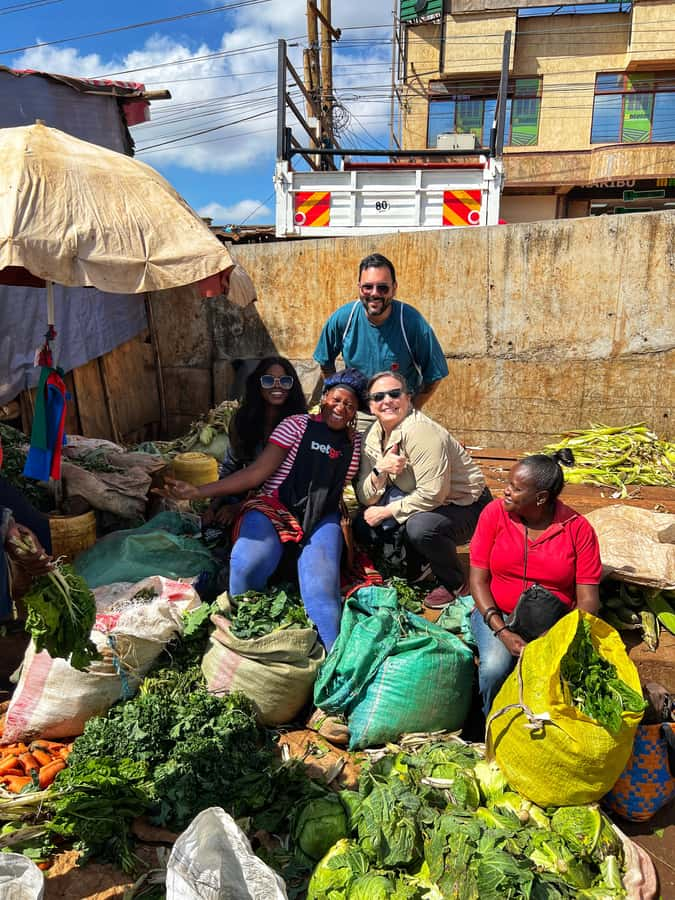
- Fresh food shopping comes first: You help choose ingredients in a genuine local market rather than arriving at a prepared cooking studio.
- The cooking happens in a private apartment: This gives the meal a personal feel, with a chance to talk about daily life in Nairobi.
- A matatu ride is optional: You can add a public-transport experience and see how locals get around.
- The menu suits several diets: Vegan, vegetarian, pescatarian, and meat-based requests can be accommodated, but contact the guide about specific dishes.
- The group is capped at six: That matters when you want room to ask questions and take part at the stove.
- Plan for stairs and your own ride home: The apartment has no lift, and hotel pickup and return are not included.
From Westlands Square to the market
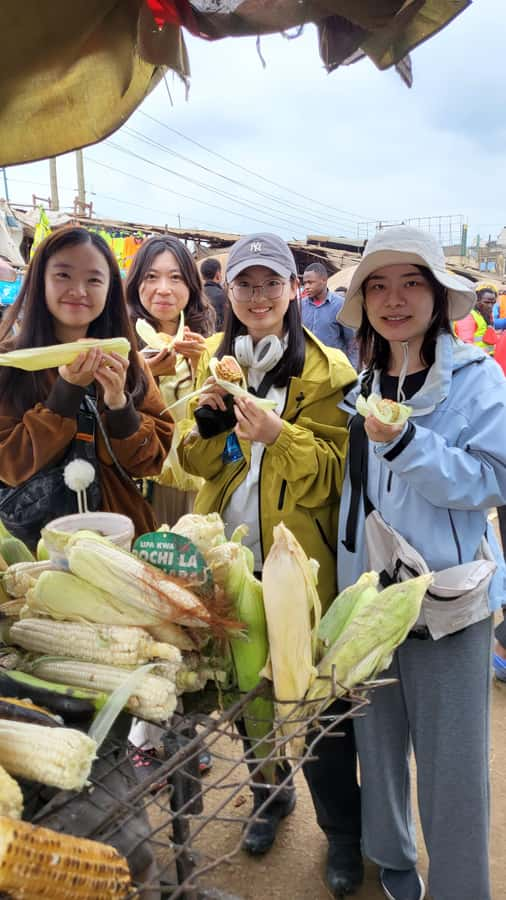
The meeting point is at Westlands Square, by the entrance to the Java café. The tour begins at either 11:30 a.m. or 5 p.m., so you can choose a daytime food outing or an early evening start when available.
Starting in Westlands makes the first step fairly easy. You meet the guide in a recognizable public place, then head toward the market in Nairobi County. The experience is designed around ordinary local routines, so the market visit is not just a quick stop for photographs. You shop for the ingredients that will become your meal.
That detail gives the outing a useful sense of purpose. You are not simply looking at piles of produce and moving on. You see food being selected, discuss what goes into a Kenyan home meal, and take part in the decisions before cooking begins.
The exact market name is not provided, so I would confirm the destination and transport plan before booking if that matters to you. The schedule also contains confusing transport entries, including a listed 10-minute bus or coach segment and incorrect-looking time figures for later stops. The experience itself is advertised as three hours, which is the figure I would use for planning, but I would ask the provider to confirm the day’s timing.
More produce and farmers markets in Kenya:
- Traditional Kenyan Cooking Class & Local Market Tour
★ 5.0 · 129 reviews - Nairobi Traditional Cooking Classes and Local Market Visit
★ 5.0 · 2 reviews - Hanoi Cooking Class: Culture, Local Market & Meaning CSR Impact
★ 5.0 · 5,147 reviews
Shopping for a Kenyan meal
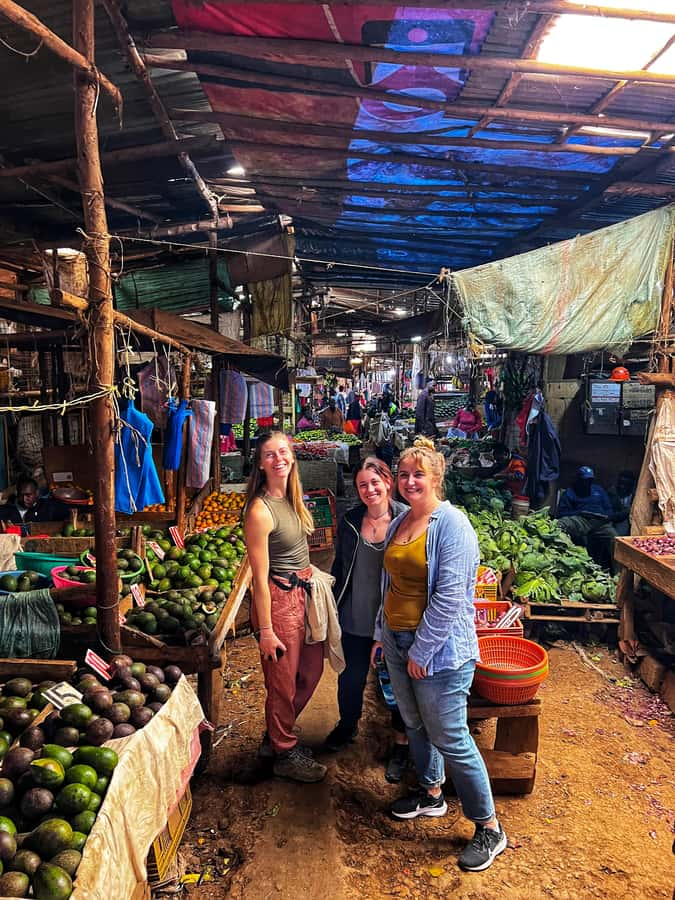
The market is the heart of the experience. You walk through a real African fresh-food market and shop for local ingredients with your guide. That makes the visit more useful than a staged demonstration because the food lesson begins before anyone turns on a stove.
I like this part for two reasons. First, it connects the dish to the place where its ingredients are bought. Second, it lets you ask practical questions about Kenyan food culture while the choices are right in front of you. The guide can explain what you are buying, how it is used, and how the meal comes together.
Expect a walking visit, so wear flat, closed shoes or comfortable sports shoes. A light jacket is sensible, and an umbrella or raincoat is useful during the rainy season. You are asked to dress modestly, with trousers or a long skirt preferred. Crop tops and shorts are not suitable for this activity.
The market may be the least comfortable part for anyone who prefers air-conditioned shops or a tightly timed sightseeing tour. Conditions can be busy, and you should be ready to walk and focus on the food rather than expect a polished culinary venue. That is also the point: this is meant to show everyday food shopping.
Choosing the optional matatu ride
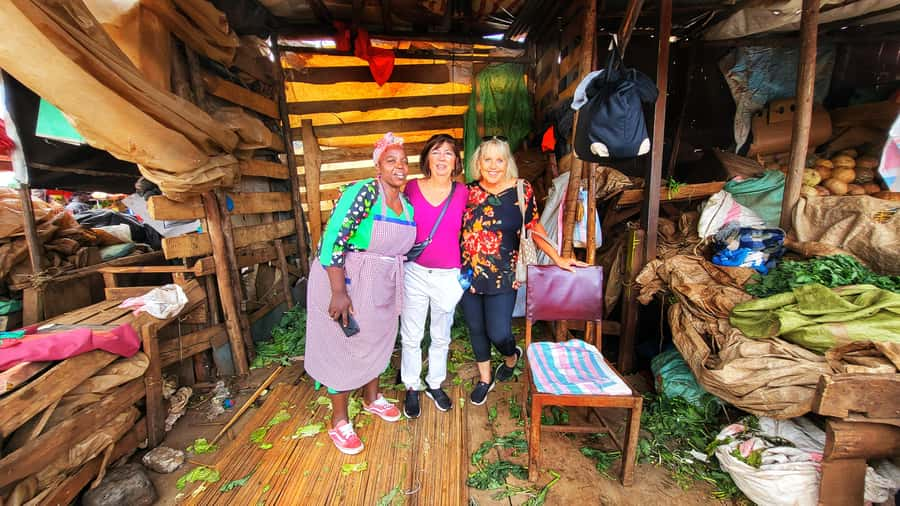
The experience includes an optional chance to ride a matatu. These minibuses are a familiar part of Nairobi’s public transport system, and taking one lets you move through the city in a more local way than using a private vehicle.
I would treat this as an optional extra in spirit, even though it is included among the activity details. The description does not explain the exact route, fare arrangement, or how long the ride lasts, so ask the guide what will happen on your date. If you enjoy public transport and want a closer look at ordinary city movement, it can add a useful layer to the outing.
If you want a quiet, predictable transfer, you may prefer to skip it. The experience is already worthwhile through the market and home cooking, and the final choice should depend on your comfort with local transport and the day’s conditions.
Cooking in a fourth-floor Nairobi apartment
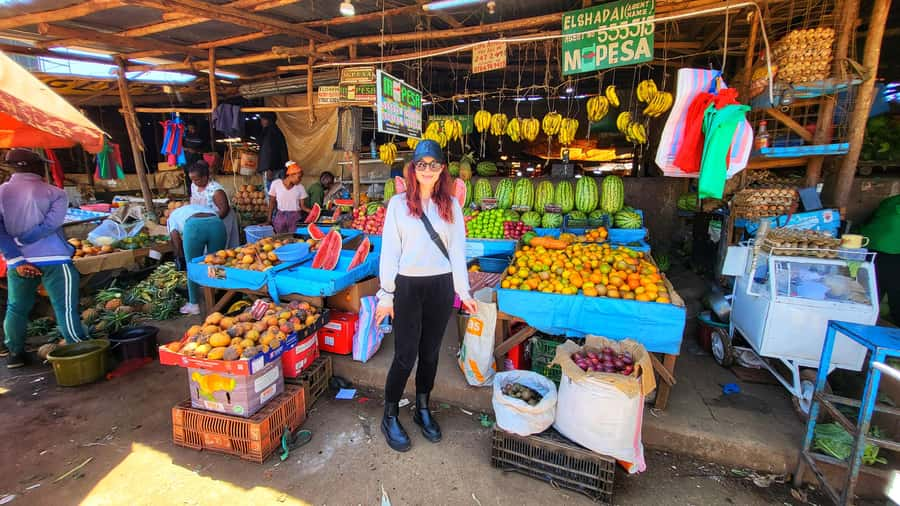
After the market, you travel to the guide’s home. The apartment is described as about 10 minutes from the market, though traffic can affect that estimate. Once there, you receive a refreshment and begin the cooking session.
The apartment is on the fourth floor and has no lift. You must use the stairs, so this is an important consideration for anyone with limited mobility. The activity is marked as wheelchair accessible, but that conflicts with the stated apartment access. I would contact the provider before booking if you use a wheelchair or have difficulty with stairs.
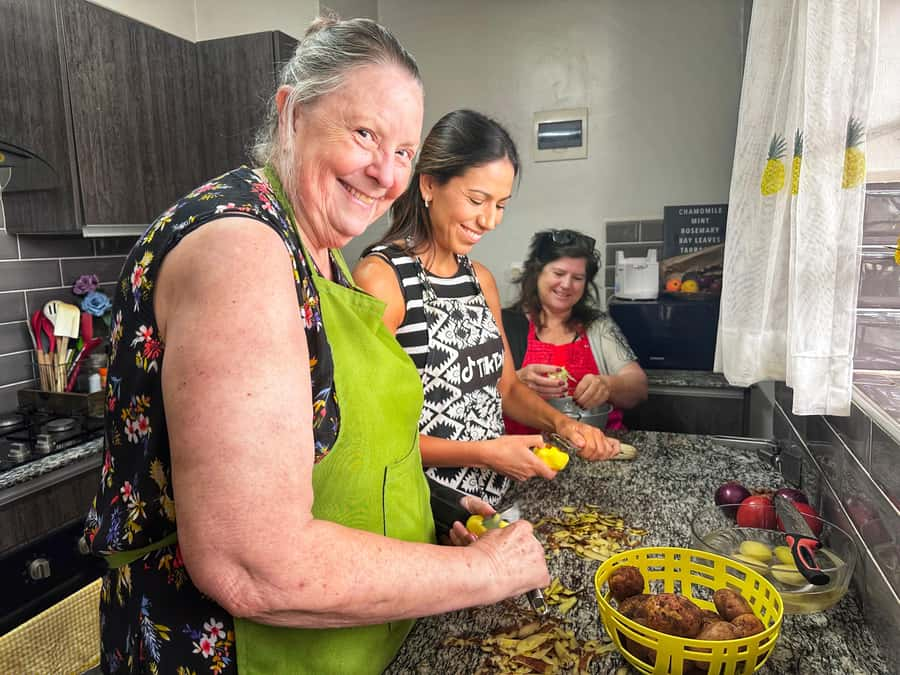
The home setting gives the class a personal character. You are not placed at a large restaurant counter with several unrelated groups. You cook alongside a local host and have time to talk about food, home life, and Nairobi. The setting also means amenities are basic but useful, including Wi-Fi and a clean washroom.
The host prepares a traditional Kenyan and national meal using fresh local ingredients. The exact menu is not specified, so request a particular meal in advance if you have a strong preference. The provider says the food can suit vegan, vegetarian, pescatarian, and meat-eating diets. I would still state allergies and dietary needs clearly when booking.
More market cooking classes in Kenya:
- Authentic Kenyan Cooking Class & Market Tour in Nairobi
★ 5.0 · 12 reviews - Market Tour and Traditional Kenyan Cooking Class in Nairobi
★ 4.8 · 6 reviews - 5 Traditional Dishes Hanoi Cooking Class with Market Trip
★ 5.0 · 4,890 reviews - Cooking Class and Lunch at a Tuscan Farmhouse with Local Market Tour from Florence
★ 5.0 · 4,831 reviews
A hands-on meal, not just a demonstration
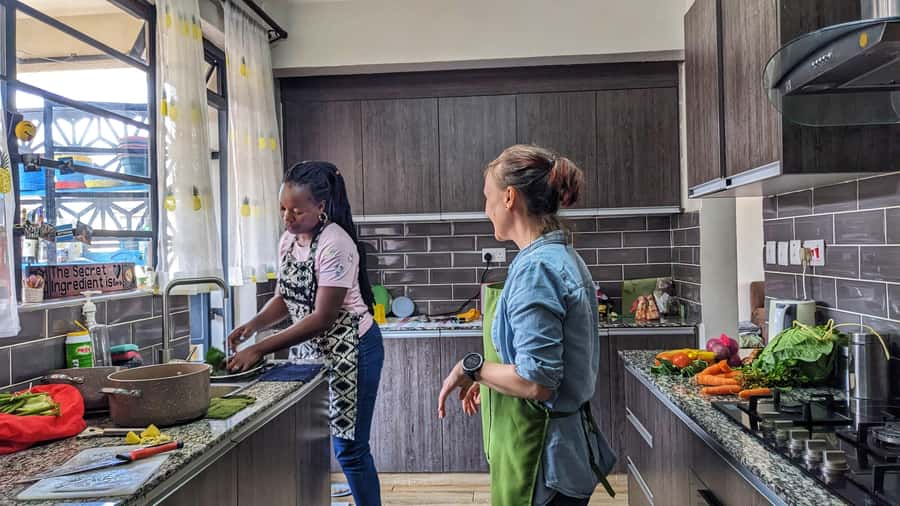
This is meant to be participatory. You get your hands involved in preparing the food, then sit down to sample the finished dishes. That distinction matters. A demonstration can teach you what a dish looks like, while this format gives you a better sense of the steps, textures, and shared work behind it.
The strongest praise for this experience centers on the personal touch of taking public transport, shopping, cooking in a home, and talking about life in Nairobi. One account also specifically praised Gladys for careful organization, food preparation, cooking, presentation, and attention to security. Another highlighted Ninoh’s local insight, warm hosting, and passion for the cooking session.
The names may indicate different hosts or a change in guide, so I would confirm who will lead your booking. Either way, the useful feature is the direct contact with a local cook rather than a detached classroom instructor.
The final meal is also the natural time to slow down. You can ask follow-up questions, taste the food you helped prepare, and compare the market ingredients with the finished dishes. The experience concludes at the home, and you may relax for a short while before arranging your own return.
Timing, meeting point, and the ride home
The advertised duration is three hours. That is long enough for a market visit, the transfer to the apartment, cooking, and a shared meal, but not long enough for a leisurely half-day food tour. You should arrive ready to keep moving between the different parts.
There is no hotel pickup or drop-off. You meet at Westlands Square, near Java, and the experience ends at the guide’s home, with the supplied route information also naming Waiyaki Real Gardens on Waiyaki Way as the finish point. Because the home and final location are not described in a fully consistent way, confirm exactly where you will finish and how the guide will help with the return journey.
At the end, the guide can help you request an Uber, but the cost is yours. Build that expense into your budget. You should also avoid assuming that your driver will be waiting at the apartment, since return transport is not included.
English and Swahili are the available languages. A small group of up to six should make conversation manageable, even if you do not speak Swahili.
Is the $64 price fair?
At $64 per person, the value rests on the combination of activities rather than the food alone. You are paying for a market tour, local guiding, possible matatu travel, a hands-on class, ingredients, refreshments, and a traditional meal. For a visitor who wants personal contact and a taste of daily life, that is a reasonable package.
The price is less attractive if you mainly want a formal cooking lesson in a professional kitchen. You are also responsible for getting to Westlands Square and paying for your ride home, so your real cost will be higher than the advertised amount.
The group limit helps the value. With no more than six participants, you should have a better chance to help with the preparation and speak directly with the host. If the group were much larger, the home setting and hands-on promise would mean less. Here, the small scale is part of what you are buying.
Free cancellation is available up to 24 hours before the experience for a full refund, and you can reserve now and pay later. Those terms make it easier to fit the outing around a changing Nairobi schedule.
Who will enjoy this Nairobi food experience?
I would recommend it to you if you enjoy food as a way to understand a city. It suits visitors who prefer a home meal, a local market, public transport, and conversation over a polished restaurant class.
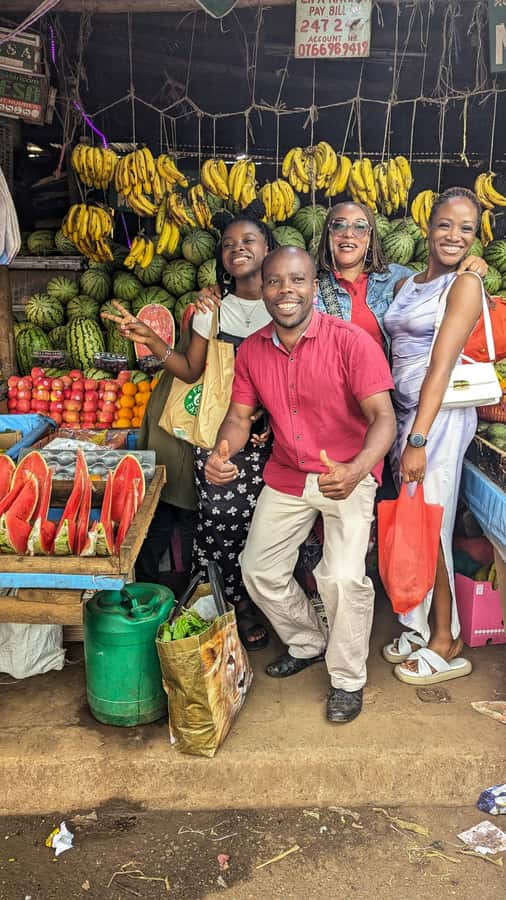
It is also a good fit for couples and small groups who want a shared activity. The market shopping gives you something to do together, while the cooking creates a natural reason to talk with the guide and other participants.
You may want another option if you need step-free access, dislike stairs, have animal allergies, or prefer a fixed menu and a professional kitchen. Animal allergies are specifically listed as a concern, though the supplied details do not explain the source of that risk. Ask the provider for clarification before booking.
Bring comfortable clothes and shoes, a light jacket, and rain protection in wet weather. Dress modestly, tell the guide about dietary needs, and be ready to help with preparation rather than simply watch.
Should you book it?
Book this experience if your ideal Nairobi outing includes a real market, a local home, and food you prepare yourself. The strongest reasons to go are the small group, the direct contact with the guide, and the chance to connect shopping with the final meal.
Skip it if stairs, uncertain transport details, or a home-based setting would make you uneasy. Before paying, confirm the exact market, guide name, finish point, optional matatu arrangements, and menu. If those details suit you, the $64 price buys more than lunch. It gives you a practical, friendly window into everyday food culture in Nairobi.
FAQ
Where does the experience begin?
It begins at Westlands Square, at the Java café entrance. The guide will meet you there.
What time does the tour start?
The experience starts at either 11:30 a.m. or 5 p.m. Availability should be checked for your chosen date.
How long does the experience last?
The advertised duration is three hours.
Is hotel pickup included?
No. Hotel pickup and drop-off are not included.
Where does the cooking class take place?
The cooking class takes place at the guide’s apartment, about 10 minutes from the market, depending on traffic.
Is there a lift in the apartment building?
No. The apartment is on the fourth floor, and the building has stairs only.
Can I request a specific type of meal?
Yes. You can contact the provider about specific meal requests. The food can suit vegan, vegetarian, pescatarian, and meat-eating diets.
Is a matatu ride included?
An optional ride on a matatu, or local public transport, is included among the activity details. Ask the guide about the exact arrangement and route.
What languages does the guide speak?
The experience is offered in English and Swahili.
What should I bring and wear?
Bring comfortable closed shoes, comfortable clothing, and a light jacket. An umbrella or raincoat is useful during the rainy season. Trousers or a long skirt are preferred, and crop tops and shorts are not suitable.
More Markets in Kenya
- Memorable Daily KIBERA Slums/Toi Market Tour with Locals (2 hours)
★ 5.0 · 29 reviews - Mombasa City Tour,Fortjesus,Oldtown,Tusks and Spice Market.
★ 4.8 · 19 reviews - Half-Day Nairobi National Park and Maasai Market with Pick up
★ 5.0 · 16 reviews - Nairobi: Hop on Hop off and Maasai market Collections Visit
★ 3.5 · 10 reviews
More Cooking Classes in Kenya
- Chiang Mai: Cooking Class, Market & Thai Herbs Garden Tour
★ 4.9 · 4,824 reviews - Chiang Mai: Authentic Cooking Class with Market & Farm Visit
★ 4.9 · 4,546 reviews - Barcelona: Paella Cooking Experience & Boqueria Market Tour
★ 4.8 · 3,661 reviews - Cooking Class Hoi An:Local Market, Basket Boat, Fishing & Cooking
★ 5.0 · 3,660 reviews
Just added around Kenya
- Nairobi Traditional Cooking Classes and Local Market Visit★ 5.0 · 2 reviews
- Nairobi: Maasai Market and Nairobi City Tour★ 5.0 · 4 reviews
- Nairobi: Hop on Hop off and Maasai market Collections Visit★ 3.5 · 10 reviews
- Nairobi: Explore Maasai Market for Unique Souvenirs★ 5.0 · 5 reviews
- Market Tour and Traditional Kenyan Cooking Class in Nairobi★ 4.8 · 6 reviews
- Maasai Market Souvenir Shopping★ 5.0 · 2 reviews
- Diani: Market and Street Food Walking Tour★ 4.2 · 6 reviews
- Authentic Kenyan Cooking Class & Market Tour in Nairobi★ 5.0 · 12 reviews
Market Cooking Classes, compared.
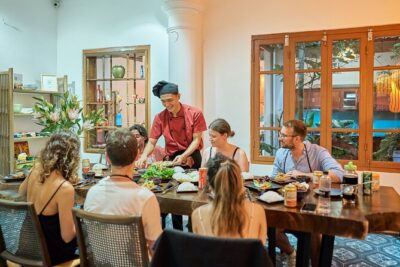
Hanoi Cooking Class: Culture, Local Market & Meaning CSR Impact
Read our review →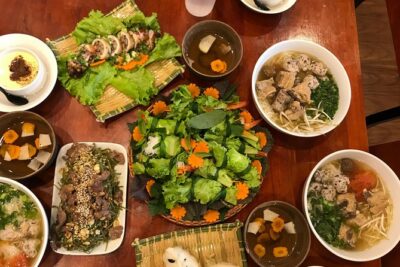
5 Traditional Dishes Hanoi Cooking Class with Market Trip
Read our review →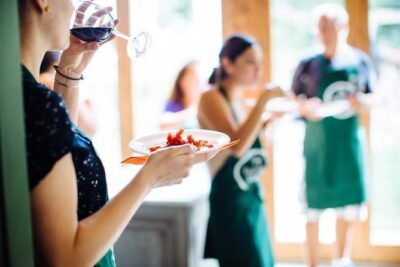
Cooking Class and Lunch at a Tuscan Farmhouse with Local Market Tour from Florence
Read our review →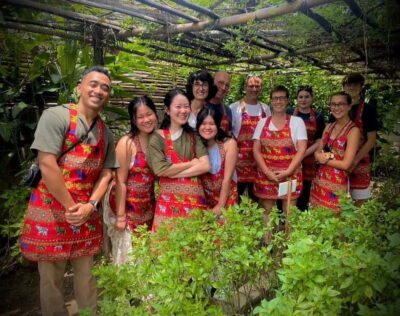
Cooking Class, Market & Thai Herbs Garden Tour
Read our review →
Authentic Cooking Class with Market & Farm Visit
Read our review →
Paella Cooking Experience & Boqueria Market Tour
Read our review →
Cooking Class Hoi An:Local Market, Basket Boat, Fishing & Cooking
Read our review →Browse the lists this tour appears in