
Review · NAIROBI
Nairobi Traditional Cooking Classes and Local Market Visit
The best part of this five-hour Nairobi outing is the change of setting: you begin by choosing ingredients at a local farmers market, then use them in a modest home kitchen with your host. I like the hands-on market stop and the chance to eat food you helped prepare, especially staples such as ugali and Kenyan pilau.
I also like that Tasha gives you some choice about the meal and keeps the session light and social. The main thing to consider is access: the home is not easy to reach by public transport, so confirm the pickup and return plan before booking, especially if you need wheelchair access.
Key points at a glance
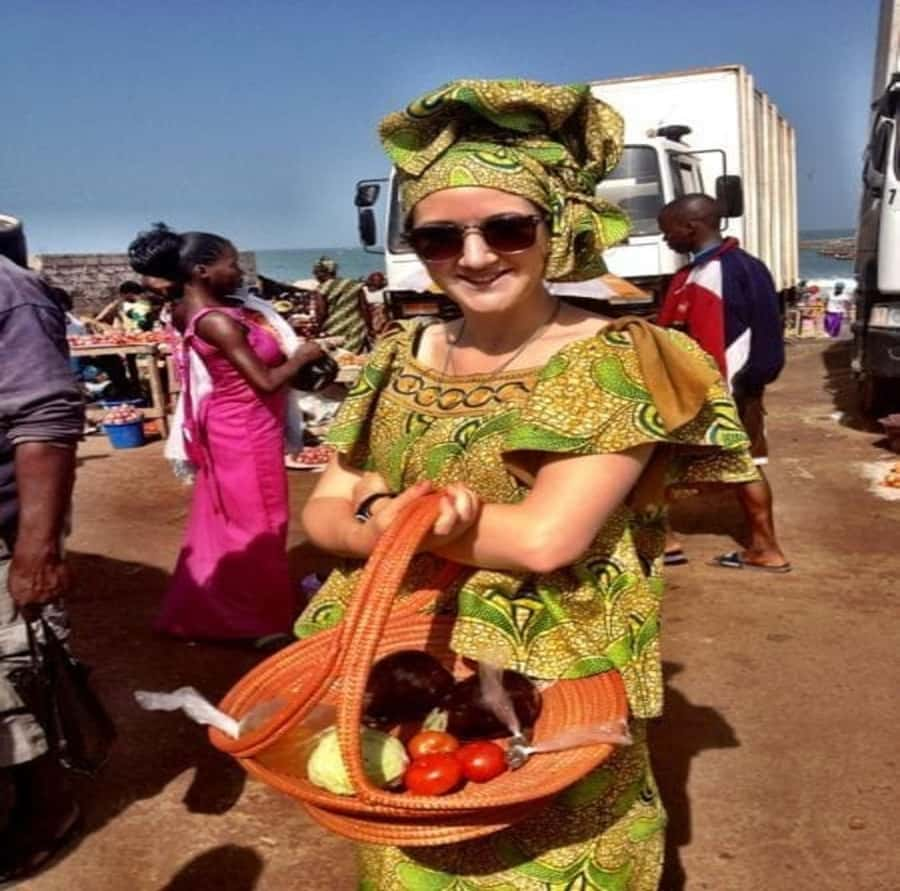
- Market shopping comes first: Spend about an hour selecting fresh fruits, vegetables, and other ingredients with your host.
- Tasha leads the kitchen session: A verified booking describes her as funny, proactive, and a very good cook.
- The meal is broad and traditional: Possible dishes include ugali, pilau, mukimo, chapati, githeri, mandazi, fish, matoke, and more.
- You eat what you help make: The cooking class and lunch take about three hours at a local home outside Nairobi.
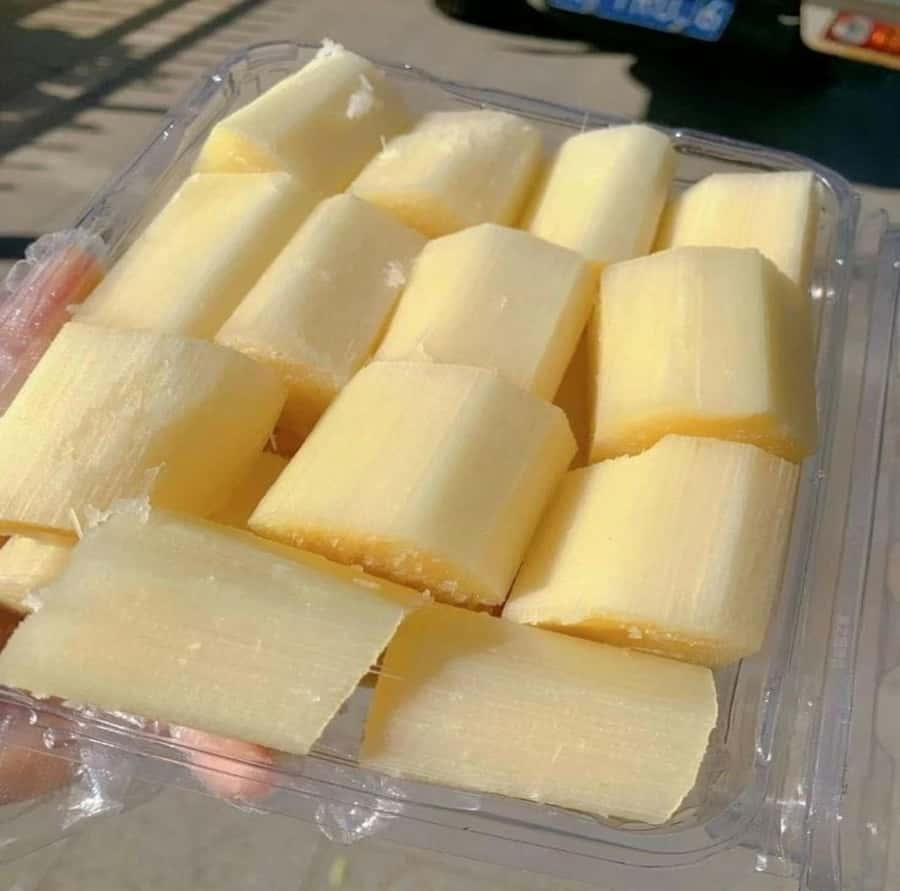
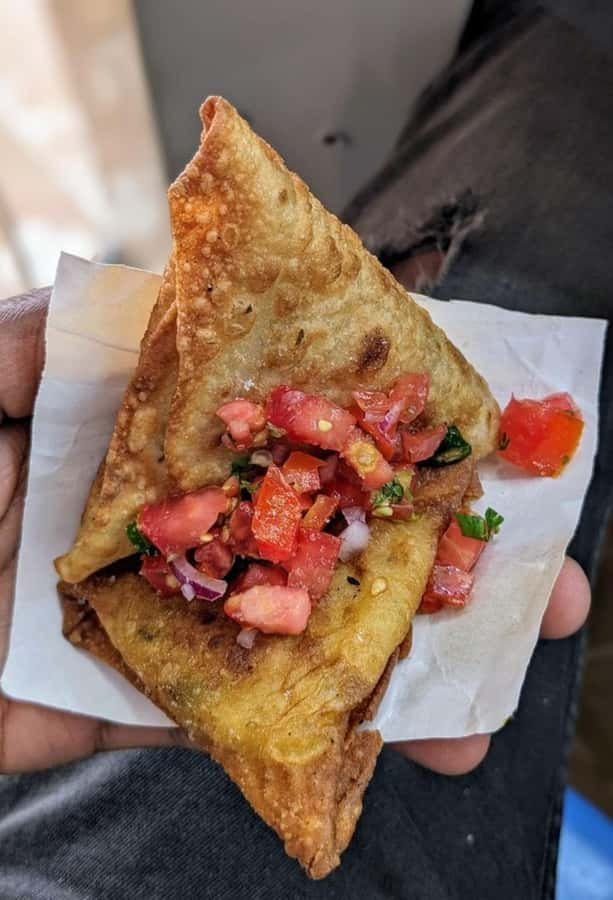
- Street food finishes the outing: Smocha, smokie, boiled eggs, roasted maize, and sugarcane may appear on the way to drop-off.
- Transport is part of the price: Pickup and return are available from Westlands, Karen, or Parklands.
From Nairobi market stalls to a Kenyan home kitchen
This is not a cooking demonstration where you sit quietly and watch a chef work. It begins with a visit to a local farmer’s market, giving you a useful look at the ingredients behind Kenyan home cooking.
You will have about one hour to walk through the market and shop with your host. The emphasis is on fresh produce and the everyday process of buying food, rather than on a formal sightseeing stop. That matters because the market gives context to the meal that follows. You see the raw ingredients before they are peeled, chopped, boiled, fried, or folded into dough.
The market can also be the most active part of the day. You are moving between the pickup vehicle, the food market, and the home, so wear comfortable shoes and clothes. Bottled water is included, but you should still plan for a warm, busy outing.
The market visit is not a separate attraction with a long list of historic sights. Its value is practical and human. You are seeing where ingredients are bought and getting a sense of the daily rhythm around food. If you prefer polished food tours with set tastings at several restaurants, this will feel more informal. If you want to understand what goes into a home-cooked Kenyan meal, it is a useful beginning.
More produce and farmers markets in Kenya:
- Traditional Kenyan Cooking Class & Local Market Tour
★ 5.0 · 129 reviews - Local Market Tour and Traditional Meal Cooking Class
★ 5.0 · 4 reviews - Hanoi Cooking Class: Culture, Local Market & Meaning CSR Impact
★ 5.0 · 5,147 reviews
A three-hour cooking session with Tasha
After shopping, you travel to a local home just outside the city. The kitchen is described as modest in size, which is worth keeping in mind. This is a home visit, not a large teaching kitchen designed for separate workstations and restaurant-style comfort.
Your host primarily handles the cooking, while you help where possible. That makes the class participatory without promising that you will prepare every dish from start to finish. Expect to take part in selected steps, watch the more involved work, and ask questions as the meal comes together.
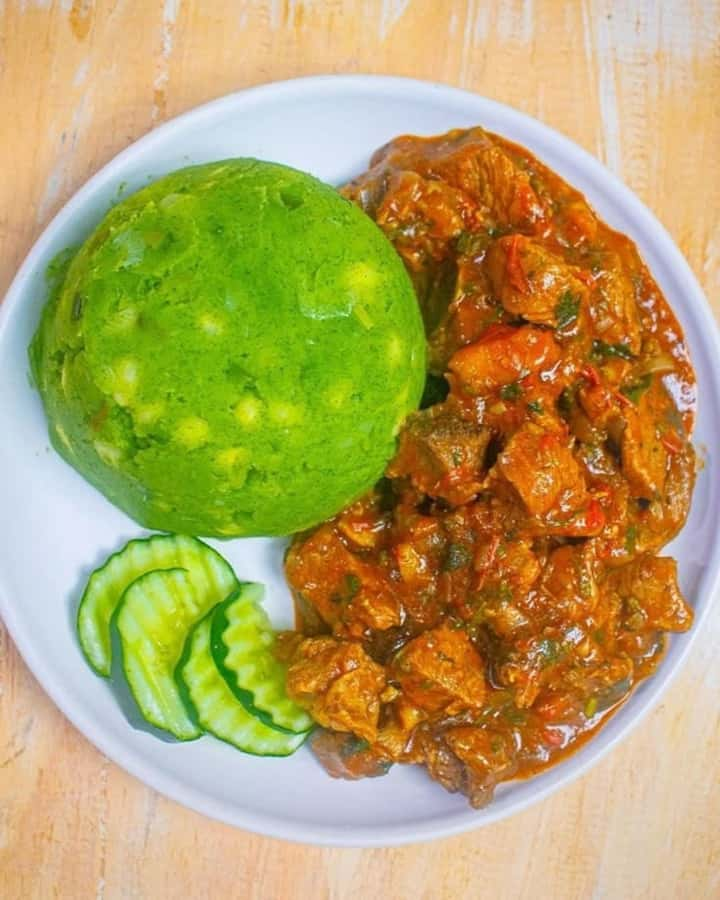
Tasha is the named cook connected with the booking, and the available feedback gives her a particularly strong profile. She offered choices about what to prepare, kept the session fun, and helped produce a tasty beef stew with ugali. If that option is available on your date, it may suit you if you want a familiar, hearty introduction to Kenyan food.
The kitchen setting is part of the appeal. You get a glimpse of a typical household and hear stories about local heritage while the food is prepared. The conversation is as important as the recipes. You are not just learning that ugali is made from maize meal or that chapati is a flatbread. You are seeing these dishes in the setting where they belong, alongside talk about local life.
Because the class takes place in a private home, expectations matter. Do not book this expecting a professional cooking school with printed workstations, elaborate equipment, or a carefully timed chef’s presentation. Book it for contact with a local host, an informal kitchen, and the chance to lend a hand.
What may appear on your plate
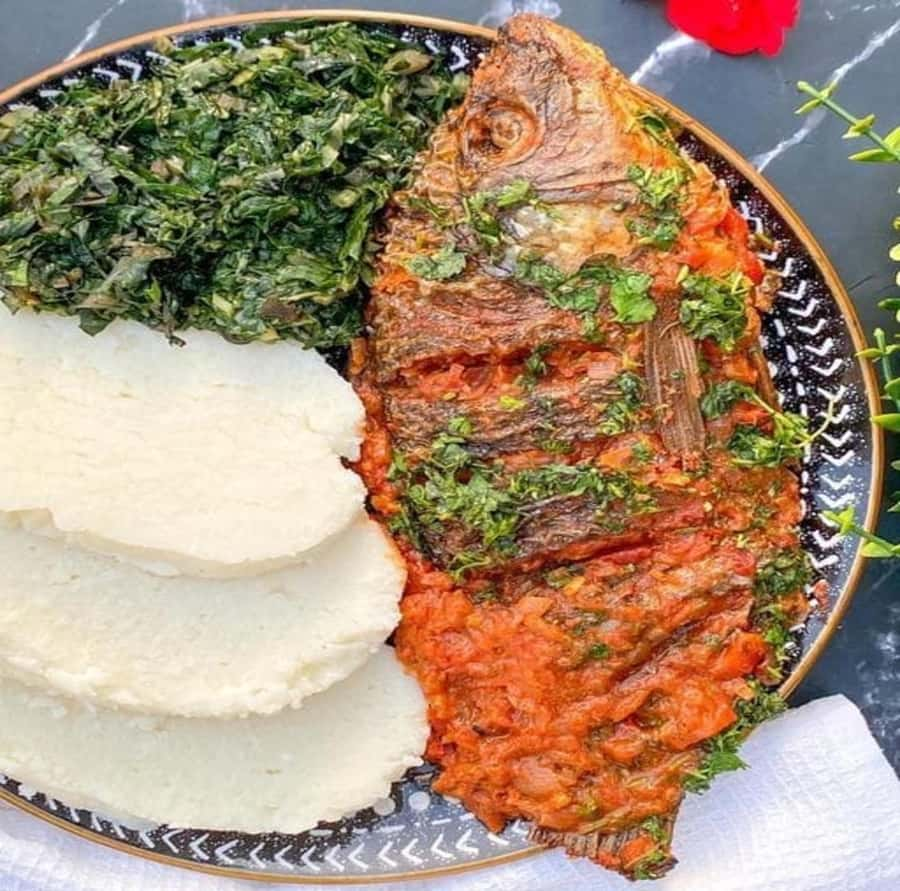
The suggested menu covers a wide range of Kenyan staples, and the exact selection can depend on the ingredients and the choices made with your host. Possible dishes include boiled potatoes, ugali, Kenyan pilau, mukimo, chapati, sweet potatoes, mandazi, fish, githeri, fresh corn, and matoke.
Ugali is one of the key foods to understand. It is a firm maize-based staple, commonly served with stews or other savory foods. It is filling and plain in the best sense, giving sauces and accompanying dishes a place to shine.
Kenyan pilau brings a more seasoned and fragrant style of rice to the table. Mukimo combines mashed ingredients, while githeri is a hearty mixture traditionally based on maize and beans. Chapati offers a soft, layered bread, and mandazi gives the meal a sweet finish. Fish, matoke, potatoes, and sweet potatoes may broaden the plate further.
This list is generous, so you should not assume every item will appear in one sitting. The experience gives you a sample of possible dishes rather than promising a fixed tasting menu with every food listed. Ask your host what is planned when the cooking begins, particularly if you have a strong preference for meat, fish, vegetarian dishes, or a specific staple.
The recent booking with Tasha focused on beef stew and ugali. That detail is helpful because it shows the class can involve selecting a manageable meal rather than following one rigid recipe. You may have more fun choosing dishes that you do not already know.
Why the home setting matters
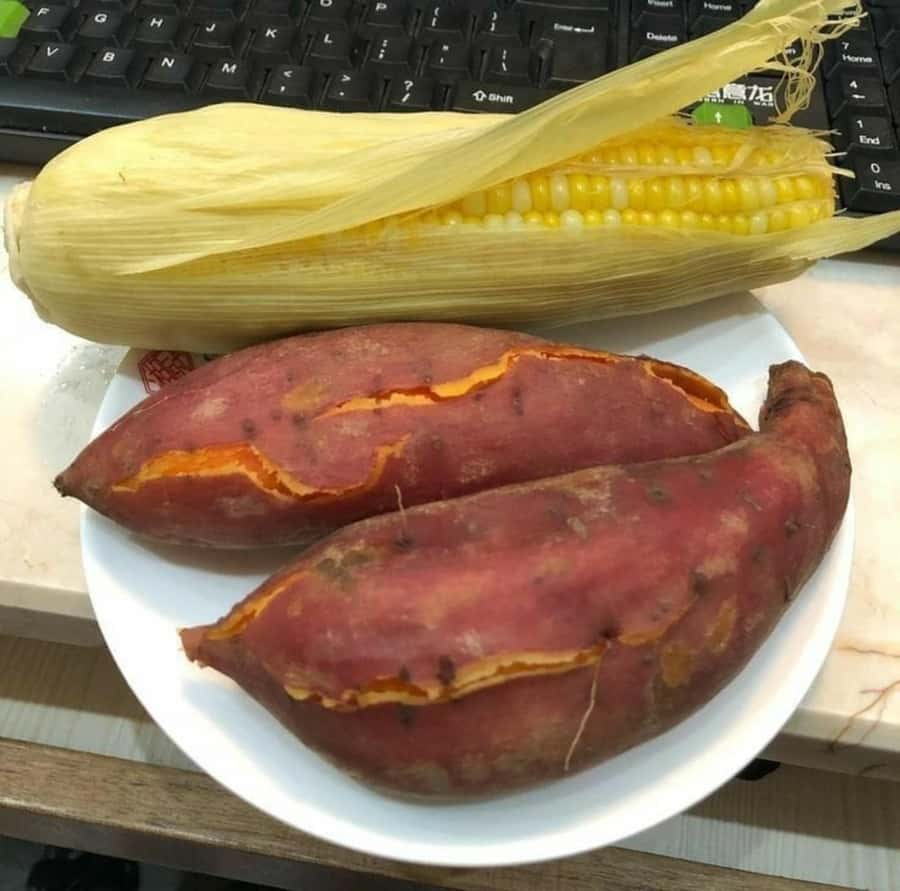
A local home gives the experience a personal scale. You are not simply receiving a plate in a restaurant. You are entering the place where the meal is prepared and sharing time with the person cooking it.
That setting can make the food easier to understand. A dish such as chapati is no longer just an item on a menu. You can see the preparation, ask about its role in meals, and eat it while hearing about local customs and family life.
The tradeoff is comfort and predictability. A modest kitchen may feel close and welcoming, but it may also be less spacious than a cooking studio. The host does most of the cooking, so participation can vary from one dish to another. This suits people who want guided involvement, but it may disappoint anyone hoping to personally make every course.
The class is conducted in English. A private group is available, which can make the home setting feel more relaxed and give you more room to ask questions. The experience is also listed as wheelchair accessible, though the home is not easy to reach by public transport. If you use a wheelchair, confirm the route, vehicle, and home access in advance rather than relying only on the general accessibility label.
More market cooking classes in Kenya:
- Authentic Kenyan Cooking Class & Market Tour in Nairobi
★ 5.0 · 12 reviews - Market Tour and Traditional Kenyan Cooking Class in Nairobi
★ 4.8 · 6 reviews - 5 Traditional Dishes Hanoi Cooking Class with Market Trip
★ 5.0 · 4,890 reviews - Cooking Class and Lunch at a Tuscan Farmhouse with Local Market Tour from Florence
★ 5.0 · 4,831 reviews
Street food on the ride back

The final hour adds a different side of Kenyan food. Instead of ending with the home-cooked lunch, you may stop for street food while heading toward your drop-off location.
Possible bites include smocha, smokie, boiled eggs, roasted maize, and sweet sugarcane. These are quick, everyday foods, and they give the outing a nice contrast. The home meal shows how dishes are prepared in a household. The roadside snacks show how people eat while out and about.
You should arrive with some appetite left if you want to sample these foods. The tour includes lunch and street food, so this is a food-heavy half-day rather than a light snack tour.
The street-food portion may also be less structured than the market and cooking session. The description does not promise a fixed vendor, exact tasting order, or set number of portions. Think of it as an opportunity along the route, not a formal restaurant crawl.
Pickup, timing, and the practical details
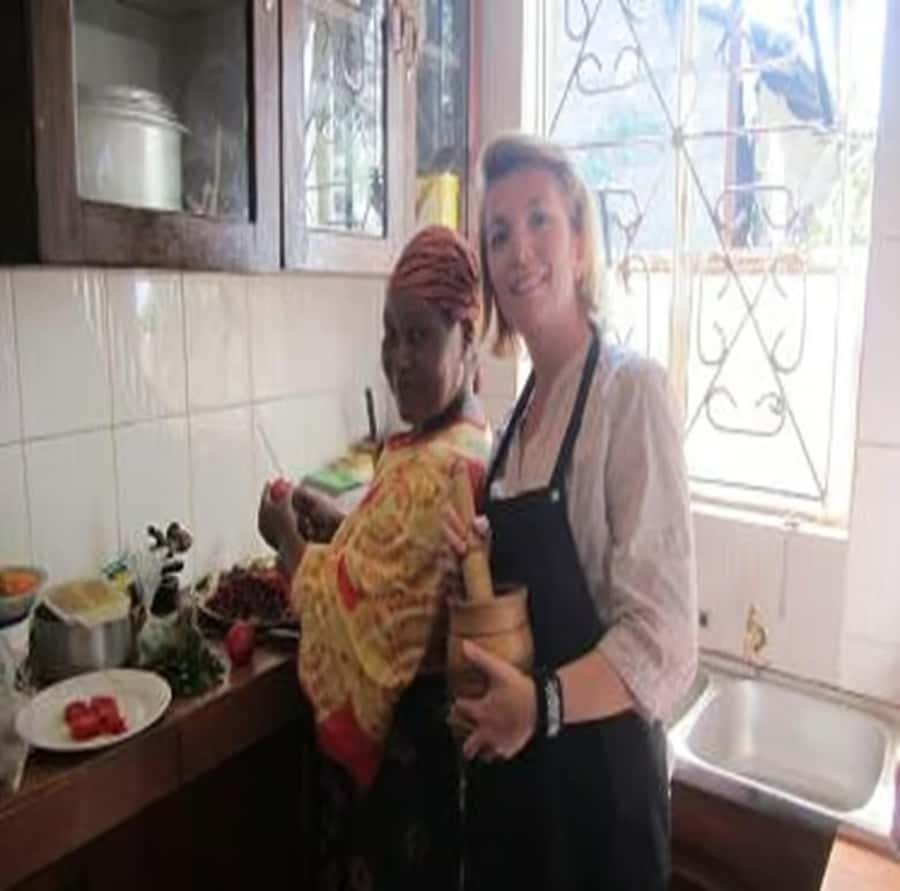
The full activity lasts five hours. About one hour is assigned to the market, about three hours to cooking, lunch, and tasting, and about one hour to street food and the return route.
Pickup and drop-off are offered in Westlands, Karen, and Parklands. Private transport from your pickup point, transport to and from the market, and return transport are included. That is a real advantage in Nairobi, where the home location is not easy to reach by public transport.
Uber and taxis are possible alternatives, and the host can arrange transportation at an additional cost. The notes also mention Uber charges separately, so clarify any extra ride costs before confirming a transfer arranged outside the included transport.
Bring comfortable shoes and comfortable clothes. You are visiting a market, moving between locations, and spending time in a kitchen, so practical clothing makes more sense than anything formal. The information also says to bring ingredients. Since ingredients are generally purchased during the market visit, ask the host what you are expected to supply before the day begins.
English is the stated tour language. Pickup times vary, so you need to check availability for your chosen date. The booking terms allow free cancellation up to 24 hours before the activity for a full refund, and you can reserve now and pay later.
Is $100 a fair price?
At $100 per person, this is not the cheapest way to eat in Nairobi. A market visit alone would cost much less, and you could find local food for a small fraction of the tour price.
The value comes from the combination. You receive pickup and return transport, a market tour, a cooking class, lunch, street food, bottled water, and a private local experience in one five-hour block. You are also paying for the host’s time and for the work involved in arranging access to a home kitchen.
I think the price makes more sense for a first-time visitor who wants a planned cultural activity without sorting out transport and food stops independently. It is less compelling for someone already comfortable navigating Nairobi, shopping at markets, and arranging a cooking class alone.
The private format can improve the value if you are traveling with family or a small group. You get more control over the conversation and may have a better chance to discuss food preferences. For a solo visitor, $100 is a bigger spend, but the included transport and full meal help soften that cost.
Who will enjoy this experience most?
This suits you if food is your way into a new place. You do not need to be an experienced cook. The host handles much of the work, and you are invited to help where possible.
It is also a good choice for visitors who want a local household setting rather than a restaurant. Families, couples, and small private groups may appreciate the relaxed format and the chance to choose among dishes.
The experience may be less suitable if you want a strict cooking curriculum. You are not promised a recipe book, a fixed dish list, or full control of every preparation. It may also be a poor fit if you dislike eating in private homes, prefer a large professional kitchen, or need a highly predictable schedule.
People with dietary restrictions should discuss them in advance. The food list includes beef, fish, and several starch-based dishes, but the supplied details do not confirm vegetarian, vegan, halal, allergy-friendly, or gluten-free arrangements.
My take: book it if food and local contact matter most

I would book this if you want a friendly, food-centered look at daily life in Nairobi and are happy with a home kitchen rather than a polished culinary studio. The strongest features are the market shopping, the personal setting, and Tasha’s flexible approach to choosing a meal.
The main caution is practical: the home is outside the city and not easy to reach by public transport. Confirm pickup, transport, access needs, and the planned menu before paying.
For a five-hour outing that combines shopping, cooking, lunch, and street food, the $100 price is reasonable when you value convenience and personal contact. If you only want to taste Kenyan food cheaply, choose a market or restaurant instead. If you want to help make it and understand how it fits into local home life, this is the better choice.
FAQ
How long does the Nairobi cooking experience last?
The activity lasts five hours. The schedule allows about one hour for the market, three hours for cooking, lunch, and tasting, and one hour for street food and the return journey.
Where can pickup and drop-off take place?
Pickup and drop-off locations are available in Westlands, Karen, and Parklands.
Is transport included in the price?
Yes. Private transport from your pickup location and back is included, along with transport to and from the local market. Uber and taxi options are also available, and the host can arrange transport at an additional cost.
What food might I prepare?
Possible dishes include ugali, Kenyan pilau, mukimo, chapati, githeri, mandazi, boiled potatoes, sweet potatoes, fish, fresh corn, and matoke. One booking with Tasha included beef stew with ugali.
Will I cook every dish myself?
No. The host primarily handles the cooking, but you can help whenever possible. The session is hands-on, though the exact amount of participation may vary by dish.
Who leads the cooking class?
The named cook is Tasha. She offers dish choices and leads the cooking session in the host’s home.
Is the tour conducted in English?
Yes. English is the listed tour language.
Is the activity wheelchair accessible?
The activity is listed as wheelchair accessible. However, the host’s home is not easy to reach by public transport, so confirm transport and access arrangements before booking.
Can I cancel or pay later?
You can cancel up to 24 hours in advance for a full refund. Reserve now and pay later is available, so you do not need to pay at the time of booking.
More Markets in Kenya
- Memorable Daily KIBERA Slums/Toi Market Tour with Locals (2 hours)
★ 5.0 · 29 reviews - Mombasa City Tour,Fortjesus,Oldtown,Tusks and Spice Market.
★ 4.8 · 19 reviews - Half-Day Nairobi National Park and Maasai Market with Pick up
★ 5.0 · 16 reviews - Nairobi: Hop on Hop off and Maasai market Collections Visit
★ 3.5 · 10 reviews
More Cooking Classes in Kenya
- Chiang Mai: Cooking Class, Market & Thai Herbs Garden Tour
★ 4.9 · 4,824 reviews - Chiang Mai: Authentic Cooking Class with Market & Farm Visit
★ 4.9 · 4,546 reviews - Barcelona: Paella Cooking Experience & Boqueria Market Tour
★ 4.8 · 3,661 reviews - Cooking Class Hoi An:Local Market, Basket Boat, Fishing & Cooking
★ 5.0 · 3,660 reviews
Just added around Kenya
- Nairobi: Maasai Market and Nairobi City Tour★ 5.0 · 4 reviews
- Nairobi: Hop on Hop off and Maasai market Collections Visit★ 3.5 · 10 reviews
- Nairobi: Explore Maasai Market for Unique Souvenirs★ 5.0 · 5 reviews
- Market Tour and Traditional Kenyan Cooking Class in Nairobi★ 4.8 · 6 reviews
- Maasai Market Souvenir Shopping★ 5.0 · 2 reviews
- Local Market Tour and Traditional Meal Cooking Class★ 5.0 · 4 reviews
- Diani: Market and Street Food Walking Tour★ 4.2 · 6 reviews
- Authentic Kenyan Cooking Class & Market Tour in Nairobi★ 5.0 · 12 reviews
Market Cooking Classes, compared.
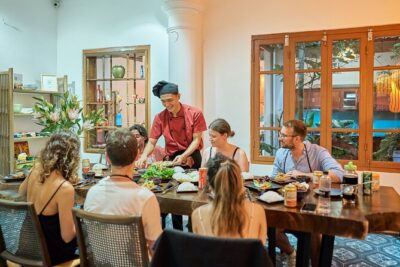
Hanoi Cooking Class: Culture, Local Market & Meaning CSR Impact
Read our review →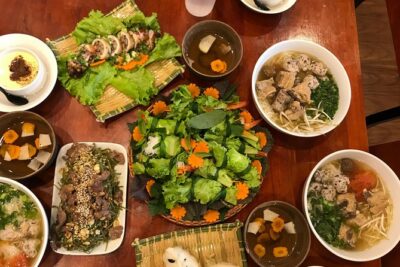
5 Traditional Dishes Hanoi Cooking Class with Market Trip
Read our review →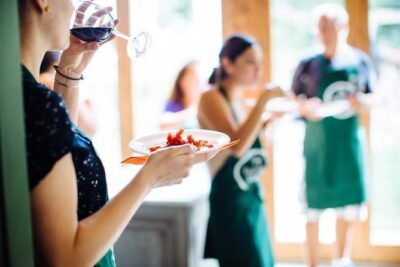
Cooking Class and Lunch at a Tuscan Farmhouse with Local Market Tour from Florence
Read our review →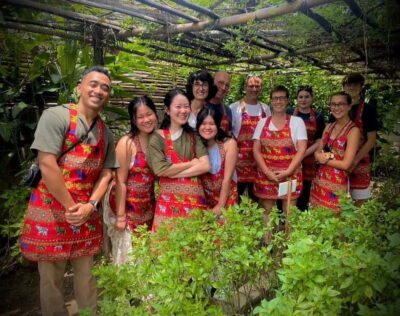
Cooking Class, Market & Thai Herbs Garden Tour
Read our review →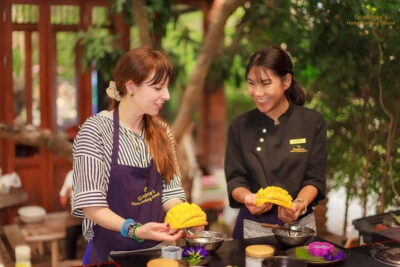
Authentic Cooking Class with Market & Farm Visit
Read our review →
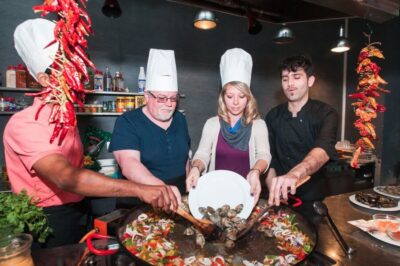
Paella Cooking Experience & Boqueria Market Tour
Read our review →
Cooking Class Hoi An:Local Market, Basket Boat, Fishing & Cooking
Read our review →Browse the lists this tour appears in