
Review · NAIROBI
Traditional Kenyan Cooking Class & Local Market Tour
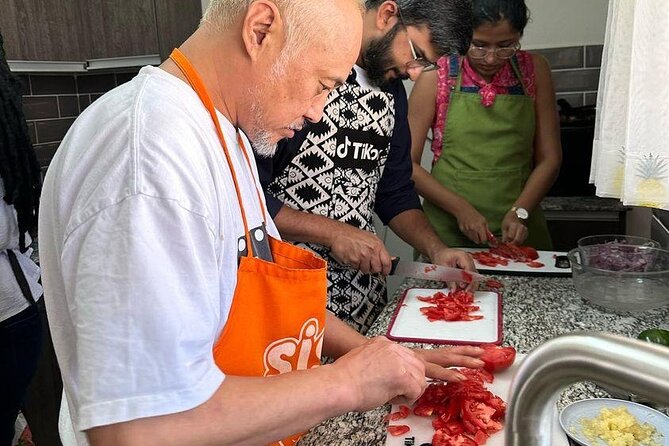
Nairobi’s best food lessons may start before you reach the kitchen. This experience takes you from a local farmers market to a matatu ride and then into host Nimoh’s home, where you help prepare a complete Kenyan meal from scratch. You see the ingredients in their everyday setting, not just on a plate.
I like two things right away: the market gives you a useful glimpse of daily Nairobi life, and the matatu ride adds a real local touch that most cooking classes skip. The meal is also social, with time for food, stories, and conversation.
The main consideration is that this is not a polished culinary school. You may shop in a busy public market, ride ordinary public transport, and get your hands messy. That is the point, but visitors seeking a quiet, formal class may prefer a more conventional setup.
Key points at a glance
- Three experiences in one: A farmers market visit, a matatu ride, and a hands-on Kenyan cooking class.
- Hosted by Nimoh: Expect food guidance, market tips, and conversation about Kenyan customs and local life.
- A meal made from scratch: You prepare a main dish, a side dish, and vegetables, then eat together.
- Flexible participation: You can help cook, watch, skip the market, or carry prepared food with you afterward.
- Good value at $50: The price includes grocery shopping and about three and a half hours of guided time.
- Small-group format: The maximum group size is 15, with lifts and wheelchair access at the cooking location.
Why this Nairobi food experience feels different
Many cooking classes begin with ingredients already measured and waiting on a counter. Here, you first see where the food comes from and how people choose it. That simple change gives the meal more meaning.
At the market, Nimoh helps you look at fresh produce and learn what to choose for the dish. You can expect plenty of sights, sounds, and smells, along with a chance to interact with local sellers. The visit is not only about buying vegetables. It is an introduction to the food habits and ordinary routines of Nairobi.
The market portion can be skipped if you are tired or would rather go straight to the cooking. I would keep it if your schedule allows. It is one of the parts that gives this experience its strongest sense of place.
The second unusual feature is the matatu ride. These privately operated public minibuses are part of everyday transport in Kenya, and the ride gives you a quick look at how people move around the city. The experience details describe music and a lively atmosphere, so expect transport with personality rather than a silent transfer.
You should also understand that a matatu is public transport, not a private vehicle. That means the ride is part of the experience, but it may feel less predictable than a taxi. Nimoh accompanies you, which helps, especially if you have never used one in Nairobi.
More produce and farmers markets in Kenya:
- Local Market Tour and Traditional Meal Cooking Class
★ 5.0 · 4 reviews - Nairobi Traditional Cooking Classes and Local Market Visit
★ 5.0 · 2 reviews - Hanoi Cooking Class: Culture, Local Market & Meaning CSR Impact
★ 5.0 · 5,147 reviews
Meeting at Westlands Square
The experience begins at Westlands Square on Ring Road, Parklands, Nairobi, and ends back at the meeting point after the activity. The meeting point matters because you are not being collected from every hotel, so allow enough time to reach it.
Confirmation is provided at booking, and the full itinerary is shared afterward. The activity is usually reserved about 30 days ahead, which suggests you should plan early if your Nairobi dates are fixed.
The overall duration is about three hours and thirty minutes. That is long enough for the market, transport, preparation, and meal without taking up a full day. I would place it early in your Nairobi stay if possible. The food conversation can help you understand dishes and ingredients you may encounter later, and the host has also offered local suggestions to some people during the visit.
A mobile ticket makes the practical side simple. Still, keep your phone charged and have the meeting details available before setting out.
Shopping for a Kenyan meal in a farmers market
The market is where this experience earns much of its character. Instead of walking through a supermarket, you shop for fresh ingredients in a local farmers market. You get to see the produce used in the meal and ask how to judge freshness and quality.
Nimoh explains what to look for when choosing ingredients. That is useful beyond this one lunch or dinner, especially if you enjoy visiting markets on your own. You may also see meats, spices, vegetables, and street-food choices, depending on what is available that day.
The market is not presented as a staged attraction. You are there to shop, observe, and interact. This means the setting may feel less orderly than a food hall, and the pace can depend on the market itself. If crowds, noise, or ordinary public-market conditions are difficult for you, ask about skipping this part when you book.
The grocery shopping is included in the $50 price. That removes a common worry with cooking classes, where an attractive advertised rate is followed by an extra ingredient bill. Here, you are paying for the guidance, transport portion, class, meal, and food shopping together.
Riding a Nairobi matatu
The matatu segment is short in the overall schedule, but it may be the most memorable part for some people. You ride with Nimoh from the market area toward her home, using the same type of public transport that many people in Nairobi use each day.
The experience details and comments describe music playing during the ride, which gives it a lively feel. It is not simply a way to get from one stop to another. You get a small window into city movement and public life.
There is a practical trade-off. A matatu will not provide the privacy, quiet, or control of a hired car. If you want a fully private food tour, this may not suit you. If you want to try an ordinary part of Nairobi life with a host who can guide you, it adds something special.
Keep your belongings secure, as you would on any public transport outing. The host’s role is important here. You are not expected to work out the route or customs alone.
More market cooking classes in Kenya:
- Authentic Kenyan Cooking Class & Market Tour in Nairobi
★ 5.0 · 12 reviews - Market Tour and Traditional Kenyan Cooking Class in Nairobi
★ 4.8 · 6 reviews - 5 Traditional Dishes Hanoi Cooking Class with Market Trip
★ 5.0 · 4,890 reviews - Cooking Class and Lunch at a Tuscan Farmhouse with Local Market Tour from Florence
★ 5.0 · 4,831 reviews
Cooking Kenyan food from scratch
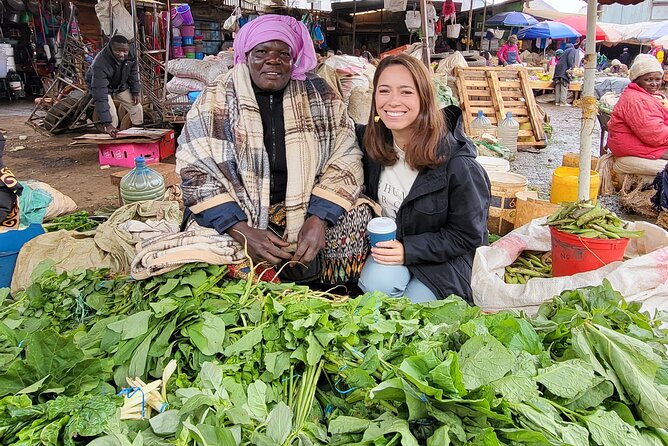
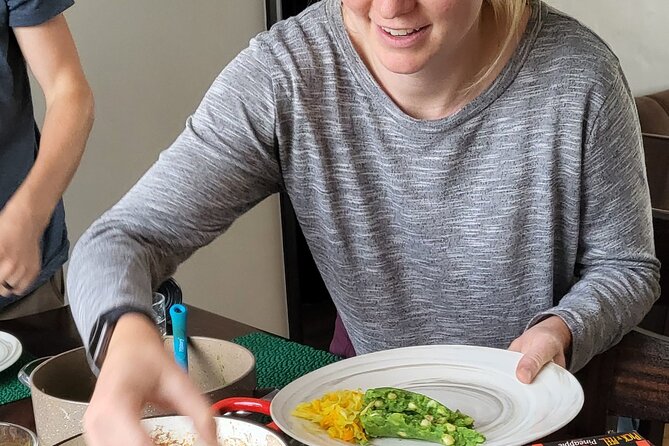
At Nimoh’s home, the market purchases become a complete Kenyan meal. The class includes a main dish, a side dish, and vegetables. The exact menu can vary, but the experience is built around traditional food from the host’s community and family cooking background.
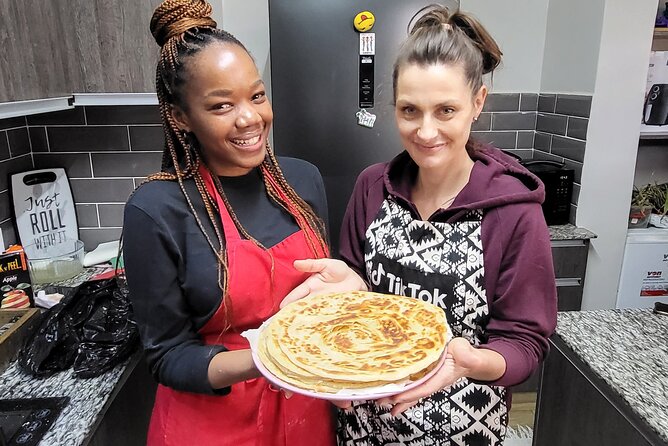
One especially useful detail is the chance to prepare chapati. This flatbread is a favorite across East Africa, and making it yourself gives you a skill you can try again at home. The cooking is hands-on, but you do not have to participate in every step. You can help, watch, or take on only the tasks that interest you.
Some meal examples described in the experience include stewed goat with sides. That does not mean every booking receives that exact menu, so ask in advance if you have a particular dish in mind. The emphasis is on making a local meal with the ingredients selected at the market.
The cooking area is described as clean and welcoming, with lifts and wheelchair access in the building. That makes the home setting more workable for people who need step-free access. If you have specific mobility needs, mention them when booking so the host can confirm the arrangements.
The class lasts roughly three to three and a half hours, including the market and meal. You are not rushed through a series of unrelated recipes. Instead, you spend time preparing food and talking about Kenyan culture, customs, family life, and local ingredients.
Eating together at the host’s home
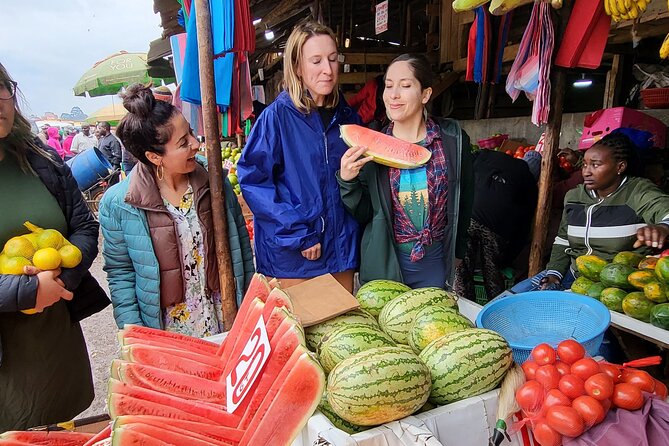
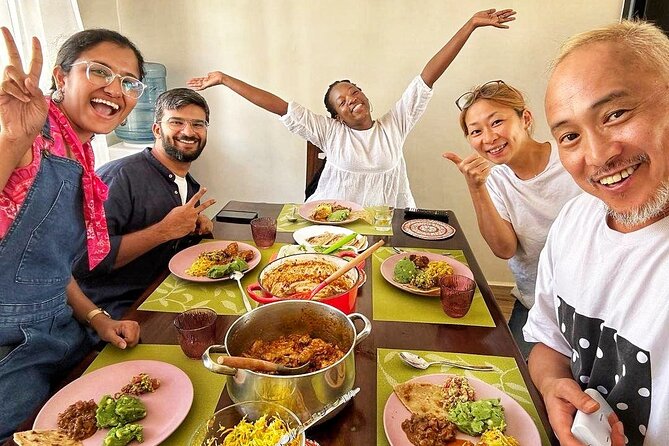
After cooking, you sit down to eat the meal you helped make. This shared table is a big part of the experience. It feels closer to being welcomed into someone’s home than attending a demonstration where the instructor disappears after the final step.
The food is meant to be enjoyed over conversation. That gives you room to ask about the dishes, local traditions, and daily life in Nairobi. The social side also works well for couples and small groups who want more than a recipe sheet.
You can carry the food prepared after the experience. That is helpful if you are full, need to leave quickly, or want to save some of the meal for later. The wording does not promise take-home containers, so ask the host about packing arrangements if that matters to you.
Vegetarian, pescatarian, and gluten-free options are available with notice when booking. Do not wait until the market visit to mention dietary needs. The meal depends on what is purchased, so advance notice gives the host a fair chance to plan.
What the $50 price includes
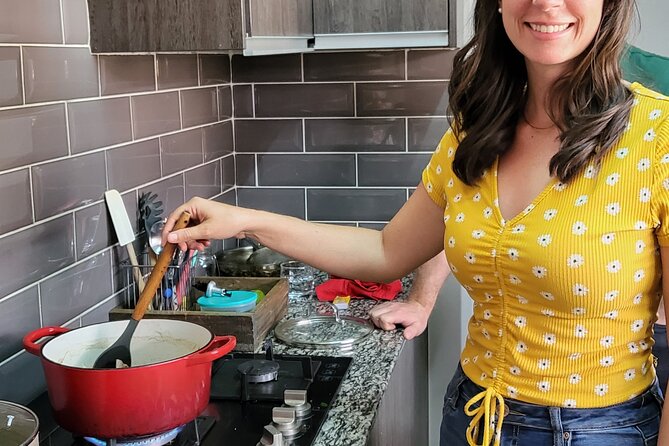
At $50 per person, this is not the cheapest way to eat in Nairobi. You could buy a local meal for much less. The value comes from the combination of food, instruction, market access, public transport, and several hours with a local host.
The price includes grocery shopping, so you are not paying an unknown ingredient surcharge. You also receive more than a standard cooking demonstration. The market explanation and matatu ride add cultural context that would be difficult to arrange comfortably on your own during a first visit.
I think the cost is fair for someone who values personal contact and participation. It is less compelling if your only goal is a meal or a formal lesson focused on advanced cooking technique.
The group can include up to 15 people. That is still manageable for a social activity, though it is not the same as a private class. If your booking is close to the maximum, expect less individual attention at the stove and during market shopping.
Who will enjoy this experience most
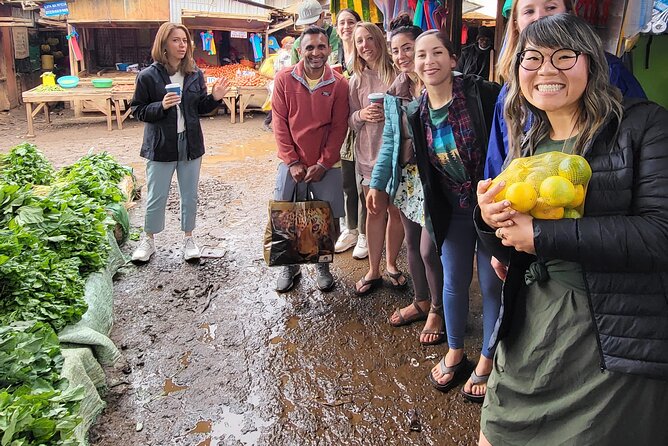
I would recommend this to you if you want to see a practical side of Nairobi and enjoy food as a way to meet people. It suits first-time visitors especially well because the host can help you understand the market, transport, food, and local customs in one outing.
It is also a good choice for couples, families, and small groups who like taking part rather than watching. You can divide the cooking jobs, ask questions, and share the finished meal.
This may not be ideal for you if you dislike public transport, crowded markets, or cooking in a private home. It is also not the right pick if you want a restaurant-style tasting menu or a highly technical lesson in professional kitchen methods.
You do not need to be an experienced cook. You can watch if you prefer, and the host welcomes guests who would rather enjoy the meal without doing the market visit.
Timing, access, and cancellation details
The activity lasts approximately three hours and thirty minutes and returns to the starting meeting point. It requires good weather, and the provider may offer another date or a full refund if poor weather prevents the outing.
The experience also requires a minimum number of people. If that minimum is not reached, you can be offered another date or experience, or receive a full refund. Service animals are allowed, and the location is near public transport.
You can cancel for a full refund if you do so at least 24 hours before the start time. Cancellations or changes made within 24 hours are not refunded or accepted. The cut-off follows Nairobi local time, so check the time carefully if you are booking from another country.
Should you book this Kenyan cooking class?
Book it if you want a personal introduction to Nairobi through food, especially if the market and matatu ride sound as appealing as the cooking itself. The strongest parts are the local shopping, Nimoh’s warm hosting, and the chance to make and eat a traditional meal in a home setting.
Skip it if you want a private car, a quiet market, or a formal cooking school. For everyone else, $50 buys a well-packed half-day experience with useful local context, a meal, and a story to take home. I would book early, give notice about dietary needs, and keep the market portion unless you have a good reason not to.
FAQ
Where does the experience start and end?
It starts at Westlands Square on Ring Road in Parklands, Nairobi, and ends back at the same meeting point.
How long does the activity last?
The experience takes approximately three hours and thirty minutes.
What does the experience include?
It includes a farmers market visit, grocery shopping, a matatu ride, and a Kenyan cooking class at the host’s home. You prepare a main dish, a side dish, and vegetables.
Is grocery shopping included in the price?
Yes. The price includes grocery shopping for the cooking session.
Can I skip the market visit?
Yes. The market portion can be skipped if you would rather go directly to the home cooking experience.
Are dietary options available?
Vegetarian, pescatarian, and gluten-free options are available when requested in advance at booking.
Is the cooking location wheelchair accessible?
Yes. The building has lifts and is described as easily accessible. Service animals are also allowed.
What is the cancellation policy?
You can cancel for a full refund at least 24 hours before the experience starts. Cancellations or changes made less than 24 hours before the start time are not refunded or accepted.
More Markets in Kenya
- Memorable Daily KIBERA Slums/Toi Market Tour with Locals (2 hours)
★ 5.0 · 29 reviews - Mombasa City Tour,Fortjesus,Oldtown,Tusks and Spice Market.
★ 4.8 · 19 reviews - Half-Day Nairobi National Park and Maasai Market with Pick up
★ 5.0 · 16 reviews - Nairobi: Hop on Hop off and Maasai market Collections Visit
★ 3.5 · 10 reviews
More Cooking Classes in Kenya
- Chiang Mai: Cooking Class, Market & Thai Herbs Garden Tour
★ 4.9 · 4,824 reviews - Chiang Mai: Authentic Cooking Class with Market & Farm Visit
★ 4.9 · 4,546 reviews - Barcelona: Paella Cooking Experience & Boqueria Market Tour
★ 4.8 · 3,661 reviews - Cooking Class Hoi An:Local Market, Basket Boat, Fishing & Cooking
★ 5.0 · 3,660 reviews
Just added around Kenya
- Nairobi Traditional Cooking Classes and Local Market Visit★ 5.0 · 2 reviews
- Nairobi: Maasai Market and Nairobi City Tour★ 5.0 · 4 reviews
- Nairobi: Hop on Hop off and Maasai market Collections Visit★ 3.5 · 10 reviews
- Nairobi: Explore Maasai Market for Unique Souvenirs★ 5.0 · 5 reviews
- Market Tour and Traditional Kenyan Cooking Class in Nairobi★ 4.8 · 6 reviews
- Maasai Market Souvenir Shopping★ 5.0 · 2 reviews
- Local Market Tour and Traditional Meal Cooking Class★ 5.0 · 4 reviews
- Diani: Market and Street Food Walking Tour★ 4.2 · 6 reviews
Market Cooking Classes, compared.
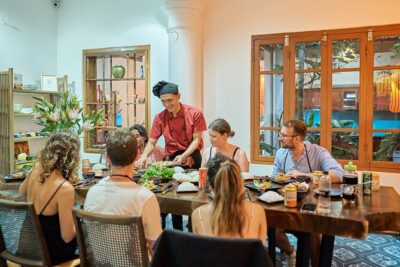
Hanoi Cooking Class: Culture, Local Market & Meaning CSR Impact
Read our review →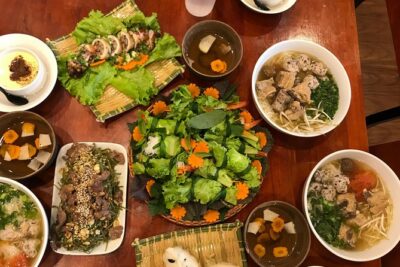
5 Traditional Dishes Hanoi Cooking Class with Market Trip
Read our review →
Cooking Class and Lunch at a Tuscan Farmhouse with Local Market Tour from Florence
Read our review →
Cooking Class, Market & Thai Herbs Garden Tour
Read our review →
Authentic Cooking Class with Market & Farm Visit
Read our review →
Paella Cooking Experience & Boqueria Market Tour
Read our review →
Cooking Class Hoi An:Local Market, Basket Boat, Fishing & Cooking
Read our review →Browse the lists this tour appears in