
Review · KENYA
Diani: Market and Street Food Walking Tour
Diani’s most useful food tour is less about polished restaurants and more about seeing how people shop, cook, trade, and eat day to day. You’ll walk through Ibiza Market, sample Swahili dishes in a local restaurant, try on a traditional dera, and finish with palm wine at a neighborhood bar.
I like the small group of no more than 10 people, which gives you room to ask questions. I also like the food lineup: Swahili porridge with coconut milk, chapati or coconut rice with beans, ugali with sukumawiki, and Viazi Karai. Guide Tina has earned especially warm praise for her clear explanations and friendly manner.
The main drawback is the heat and the very local setting. This is a hot walk, and lunch and palm wine take place in simple neighborhood businesses rather than places designed for sightseeing comfort. People with food allergies, wheelchair users, and very young children should choose another activity.
Key things to know before you book
- Ibiza Market gives the tour its local focus: You’ll see how everyday buying and selling works in Diani, not just visit a tourist shopping stop.
- The tasting menu covers several Kenyan staples: Expect Swahili porridge, chapati or coconut rice, coconut beans, ugali, sukumawiki, and Viazi Karai.
- Tina may be your guide: Her friendly explanations have been a highlight for several people who took the tour.
- A dera fitting adds a cultural touch: You can try on a traditional Swahili dress and hear how tailoring work began.
- Palm wine is the final stop: The tasting takes place at a local bar, with extra drinks available to buy at your own expense.
- Ninety minutes goes quickly: The schedule divides roughly into 30 minutes at the market, 30 minutes for food, and 30 minutes for palm wine.
Starting at Tsunami Garden Cafe
Your meeting point is Tsunami Garden Cafe. A woman will wait in front of the cafe and greet you by name, so keep an eye out for the person expecting your arrival.
This is a walking tour, not a hotel excursion. You need to arrange your own way to Tsunami Garden Cafe, and no hotel pickup or drop-off is included. That makes the tour easiest to fit into a day when you are already staying in or visiting the Diani area.
The guide begins with a short briefing about what you will see and eat. This matters because the tour moves through ordinary local businesses, and the food may be unfamiliar. You can ask questions before the tasting starts and get a better sense of what is coming.
Wear comfortable shoes and bring water. A sun hat and camera are useful, too. Diani can be hot, and the walk has little reason to be rushed, so light clothing and sensible sun protection will make the 90 minutes more pleasant.
More market walks in Kenya:
- Bangkok: City Highlights Temple and Market Walking Tour
★ 4.5 · 3,990 reviews - Tokyo Tsukiji Fish Market Food and Culture Walking Tour
★ 5.0 · 3,184 reviews - Marrakech: Ben Youssef, Secret Garden, & Souks Walking Tour
★ 4.6 · 2,802 reviews
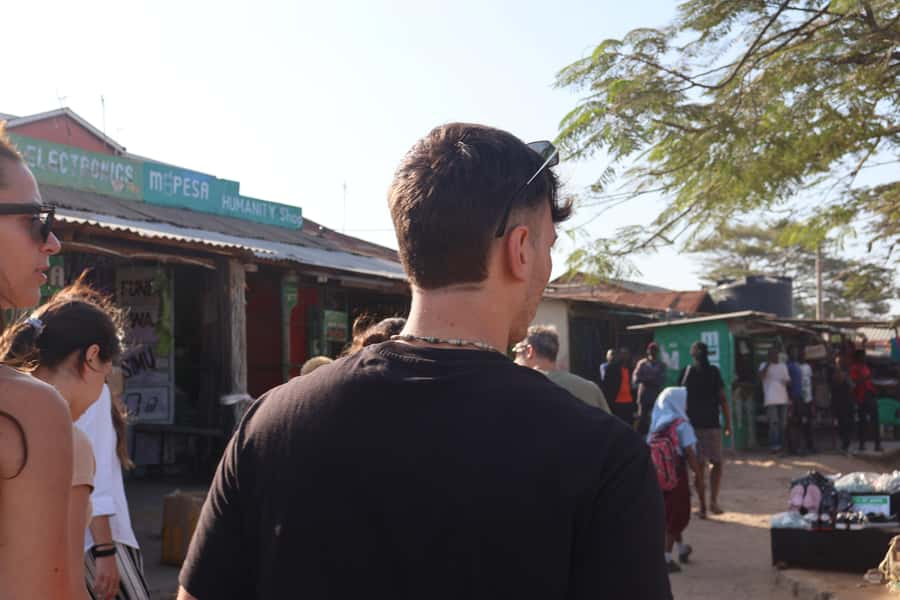
Thirty minutes inside Ibiza Market
The first substantial stop is Ibiza Market, where you spend about half an hour walking and learning how local people trade. The guide explains the market’s background and introduces the role it plays in daily life.
I like this part because food makes more sense when you see where it begins. A plate of coconut beans or a serving of sukumawiki is not just a menu item. The market gives you a glimpse of the ingredients, shopping habits, and small-scale trade behind the food.
Do not expect a large sightseeing attraction with arranged displays. This is a working market, and that is exactly why the visit has value. The experience is about watching ordinary commerce and listening to your guide explain what you are seeing.
The 30-minute time limit keeps the stop manageable, but it also means the visit is an introduction rather than an exhaustive market tour. If you enjoy lingering over every stall, asking many questions, or taking lots of photographs, the schedule may feel brisk.
A camera is welcome, but use it with care. You are walking through a place where people are working, so ask before photographing individuals or their goods. Respectful behavior is part of getting a better experience.
A quick look at souvenirs and Swahili tailoring
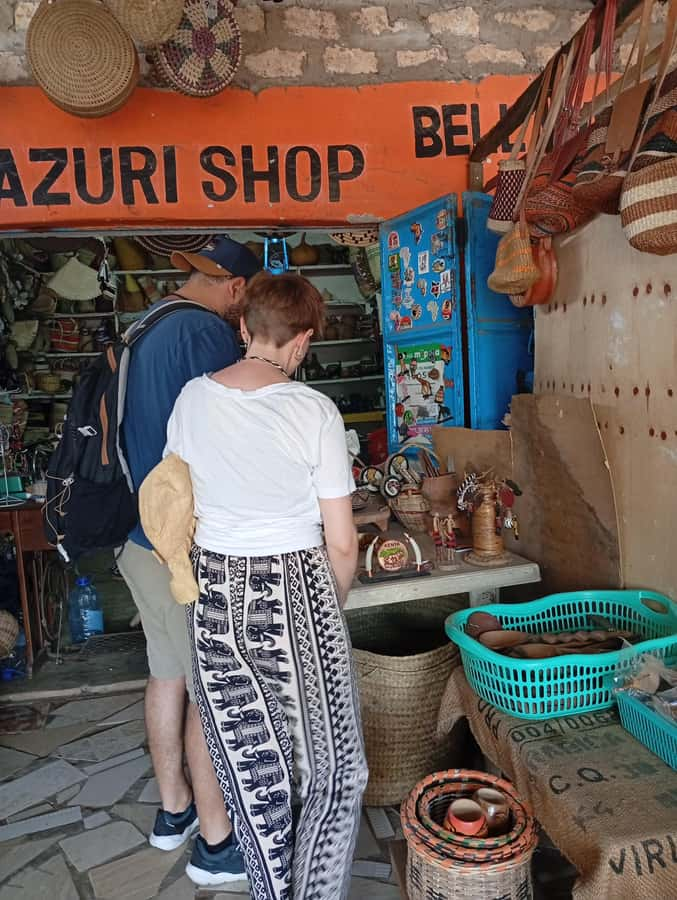
Along the route, you pass a souvenir shop and a tailoring shop. The souvenir stop offers a chance to browse and possibly buy something, but purchases are personal expenses and are not part of the tour price.
The tailoring visit is more distinctive. You can sample a dera, a loose Swahili dress for women, and learn how the garments are made and how the tailoring business got started. This adds something beyond food, giving you a practical look at clothing and small business in the local community.
If you are interested in textiles, ask the guide about the dressmaking process. The information provided for the tour does not promise a full sewing demonstration, so think of this as a short introduction rather than a workshop.
The fitting also gives you a chance to take a photograph, provided the shop and people involved are comfortable with it. It is a simple activity, but it can be one of the more memorable parts because you are engaging with a local tradition rather than simply looking at merchandise.
A local meal with six familiar flavors
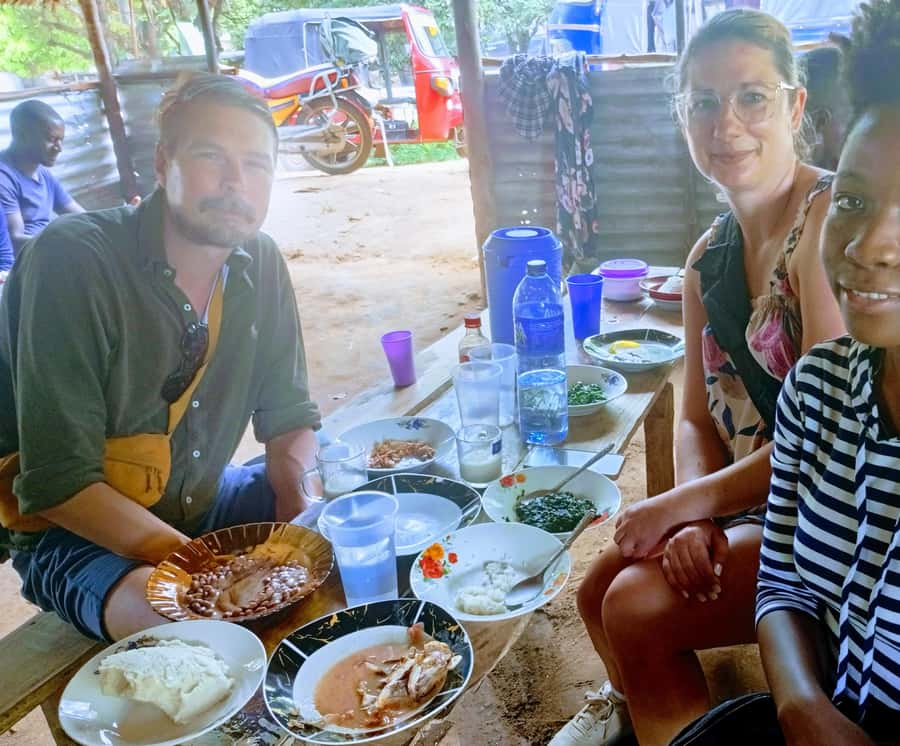
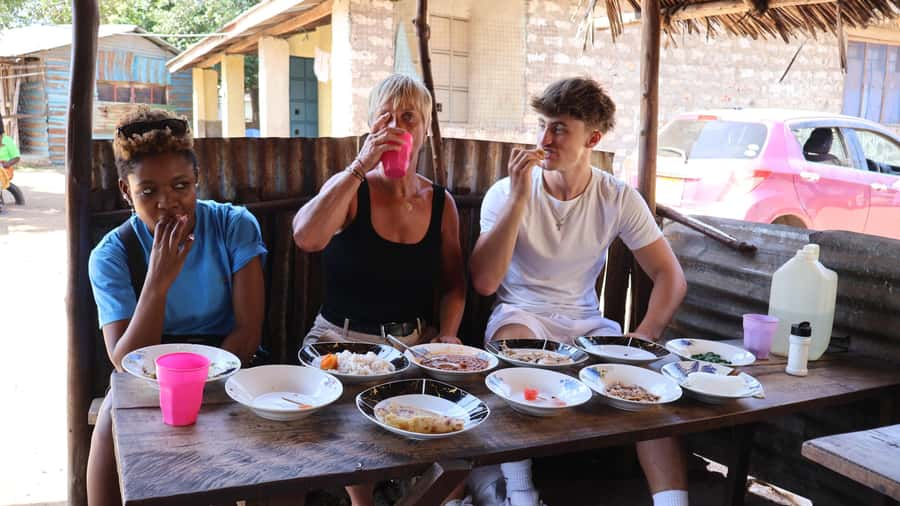
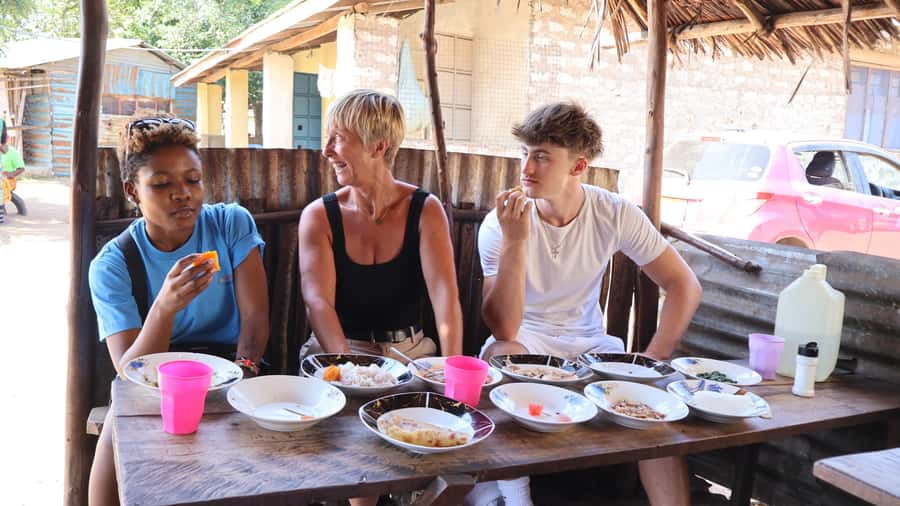
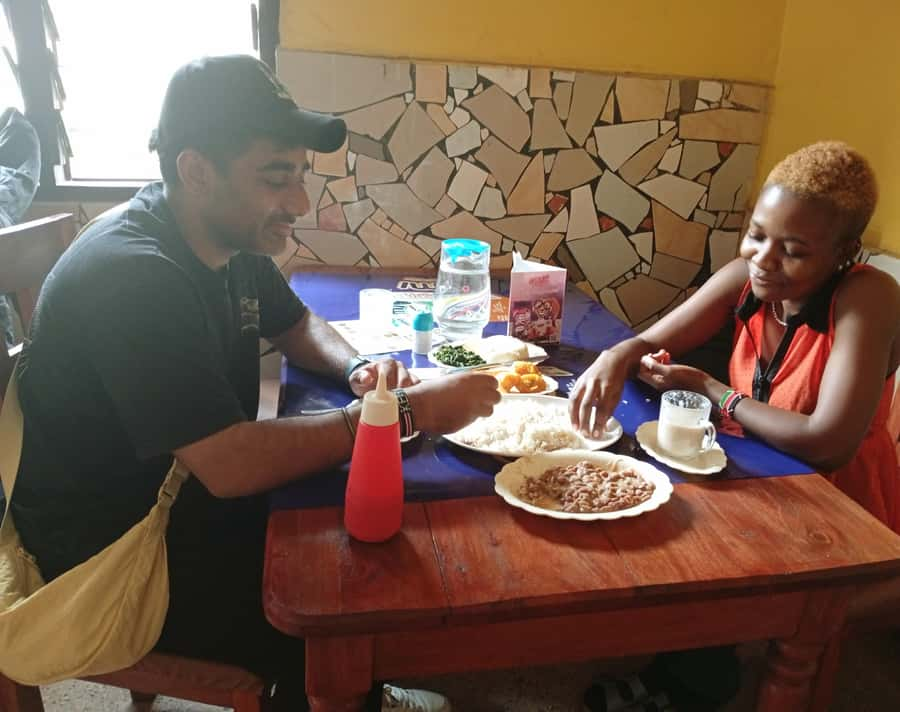
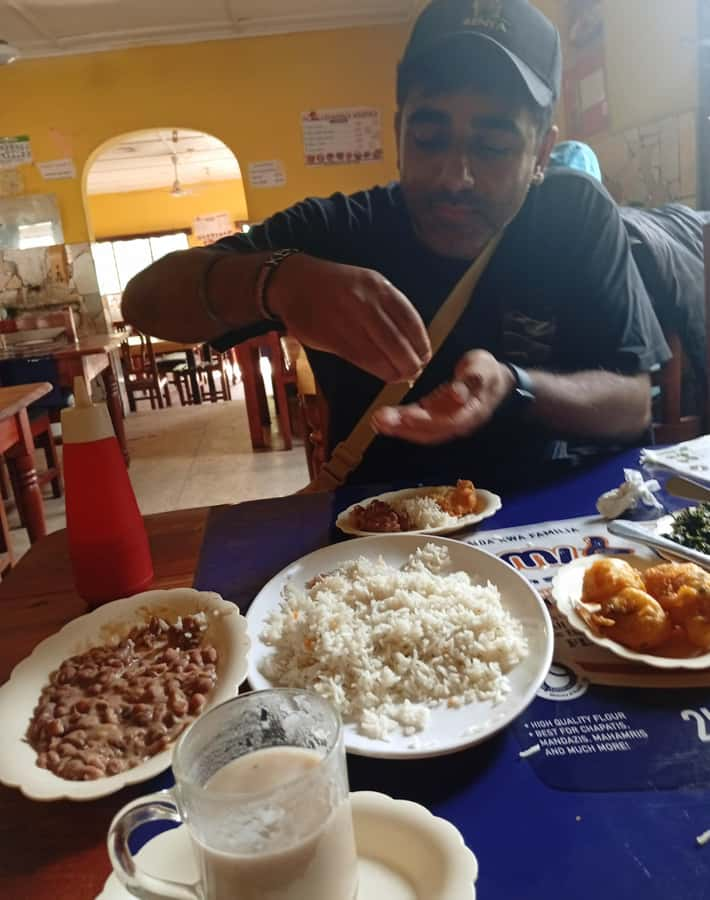
The food stop takes about 30 minutes and is the heart of the tour. You visit a local restaurant and receive several tastes rather than one large dish. That format is useful if you want to try Kenyan food but do not know what to order on your own.
Your meal begins with Swahili porridge made from wheat, cardamom, and coconut milk. It offers a gentle introduction to the coastal style of cooking, with coconut and spice working together in a warm, filling drink or soft porridge.
For the main food, you try chapati or coconut rice with coconut beans, along with ugali and sukumawiki. Chapati gives you a soft, flat bread option, while coconut rice brings a sweeter coastal note. Coconut beans add a creamy, hearty element.
Ugali is a firm maize staple often eaten with a vegetable or stew. Here it is served with sukumawiki, a cooked leafy green. The combination is plain and filling, with a texture quite different from the rice and chapati.
You finish with Viazi Karai, a fried potato snack. This provides a crisp, savory ending after the softer porridge, rice, beans, and ugali. The menu has enough variety to show different textures and cooking styles without turning the stop into a long formal meal.
The supplied details do not specify vegetarian, vegan, or allergy substitutions. Because people with food allergies are listed as unsuitable for the tour, I would not book this experience if you need strict control over ingredients.
Also remember that the food included is the planned tasting. Additional food and drinks are not covered. If you want more than the scheduled portions, bring money for your own purchases.
More street food market tours in Kenya:
- Dubai: Old Town, Creek, Museums, Souks, & Street Food Tour
★ 4.8 · 10,816 reviews - Dubai: Old Town, Souks, Street Food, Guided Tour & Abra Ride
★ 4.9 · 7,170 reviews - Chef Guided Food Tour of Pike Place Market
★ 5.0 · 3,733 reviews - London Bridge & Borough Market Food Tour with 7 Authentic Dishes
★ 5.0 · 1,972 reviews
Palm wine at a local bar

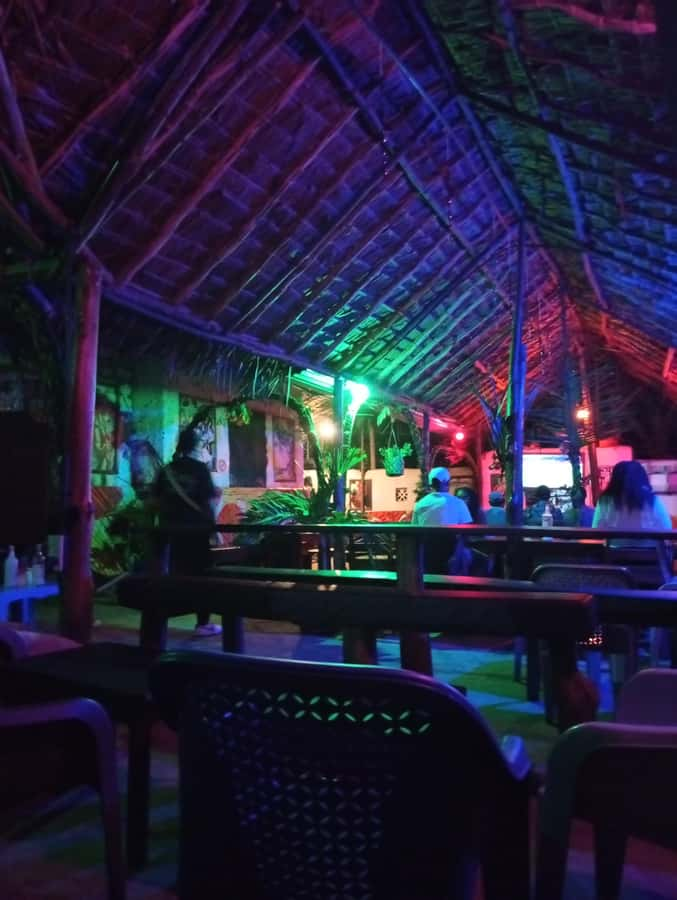
The final 30 minutes take place at a local bar for a palm wine tasting. This is not a winery visit or a polished cocktail stop. It is meant to show you a drink and setting associated with local social life.
Palm wine has a fresh, fermented character, and the tasting gives you a chance to try it with guidance rather than ordering blindly. If you like it, you can purchase more at your own cost and stay to enjoy it.
The bar is described as extremely local, so adjust your expectations. You are choosing this tour for contact with everyday Diani, not for air conditioning, elaborate service, or a quiet lounge. That directness is part of the appeal, but it will not suit everyone.
The activity rules prohibit smoking, alcohol, and drugs. The palm wine tasting is the organized part of the experience, and any extra purchase should be handled within the guide’s instructions and the local venue’s rules.
What the $30 price really covers
At $30 per person, the tour is priced as a short, guided cultural outing rather than a full-day excursion. The fee includes the English-speaking local guide, street-food tasting, palm wine tasting, and the Ibiza Market visit.
The strongest value comes from combining several small experiences in one booking. On your own, you could possibly walk through a market, eat at a local restaurant, and order a drink. The guide adds context, introduces the stops, and helps you understand what you are tasting.
You are also paying for convenience. The food choices are arranged, the route is planned, and you do not have to guess which dishes or drink to try. For a first visit to Diani, that can be worth more than the raw cost of the food itself.
Still, this is not a bargain if you want transportation, a long meal, shopping included, or generous portions. Hotel transfers, extra food, extra drinks, and personal expenses are excluded. The best value is for someone who wants a compact introduction to local food and daily life.
The tour has a rating of 4.2 from six published ratings. The responses are mixed but generally favorable, with praise focused on Tina, the market, the food, and the chance to see ordinary local life. One very low rating offers no useful explanation, so there is not enough information to identify a particular failure from it.
Heat, pace, and the local setting
Plan for a warm walk. The 90-minute schedule is short, but the three sections all take place outside or in simple local businesses, and one person specifically warned that the walk and lunch could be hot.
Water is essential. Comfortable walking shoes are also more important than stylish beach footwear. Carry your own sun protection and be ready for changing weather.
The tour is not suitable for wheelchair users, children under three, or babies under one year. People with food allergies should also avoid it. The information does not identify a minimum fitness level beyond walking, but the heat and uneven feel of a market area are worth considering.
The group is capped at 10 people. That is small enough for a more personal exchange with the guide without making the experience feel like a private tour. English is the tour language.
Who will get the most from this tour
I would choose this experience if you want a first taste of Diani beyond the beach and resort dining. It suits adults and older children who enjoy trying unfamiliar food, walking through working neighborhoods, and asking questions about local customs.
It is especially useful at the beginning of a stay. You can learn what dishes appeal to you, see where local people shop, and get a better feel for the area before spending the rest of your trip at restaurants aimed mainly at visitors.
The tour also suits anyone curious about coastal Swahili culture. The market, dera fitting, coconut-based foods, and palm wine create a broader picture than a food tasting alone.
I would skip it if you need a cool, polished environment, have serious food restrictions, dislike fermented drinks, or want a long and relaxed meal. It is also a poor match if you are looking for a major historical tour or a beach activity. The focus is narrow and practical: food, shopping, tailoring, and local social life.
Booking details that matter
You can cancel up to 24 hours before the start for a full refund. The reserve-now, pay-later option lets you hold a place without paying immediately, which is useful when your Diani schedule may change.
Starting times depend on availability. Since the activity lasts only 90 minutes, it can fit around a beach day, though you should allow extra time to reach Tsunami Garden Cafe and return to your next activity.
The meeting instructions are simple, but arrive ready to identify yourself. The person at the cafe will greet you by name, and the guide will give you the opening briefing before the group walks to the market.
My verdict on the Diani market and food walk
I would book this tour if you want a short, direct look at everyday Diani, especially if Tina is leading your departure. Her friendly explanations are one of the clearest strengths, and the combination of market, Swahili dress, local meal, and palm wine gives the tour more range than a basic restaurant tasting.
At $30, the value is fair because the fee includes guidance and several tastings, not just one plate of food. Go in prepared for heat, modest local venues, and a quick schedule. If that sounds appealing, this is a useful way to spend 90 minutes. If you want comfort and polish, spend the money elsewhere.
FAQ
Where does the tour start?
The tour starts at Tsunami Garden Cafe in Diani. A woman will wait in front of the cafe and greet you by name.
How long does the activity last?
The activity lasts 90 minutes. The schedule allows about 30 minutes for the market, 30 minutes for food tasting, and 30 minutes for palm wine tasting.
What language does the guide speak?
The live tour guide speaks English.
How large is the group?
The tour is limited to 10 participants.
Is hotel pickup included?
No. Hotel pickup and drop-off are not included, so you must make your own way to Tsunami Garden Cafe.
What food will I taste?
The tasting includes Swahili porridge made with wheat, cardamom, and coconut milk, chapati or coconut rice with coconut beans, ugali with sukumawiki, and Viazi Karai.
Is palm wine included?
A palm wine tasting is included. Additional palm wine or other drinks must be purchased separately.
Will I visit a market?
Yes. The tour includes a visit to Ibiza Market, where the guide explains how local people trade and discusses the market’s history.
Can I try on traditional clothing?
Yes. You can sample a dera, a female Swahili dress, at a tailoring shop and learn about the tailoring work.
What should I bring?
Bring comfortable walking shoes, a sun hat, a camera, and water. Be prepared for changing weather and respect local customs and regulations.
More Food in Kenya
- Dubai: Old Town, Souks, Street Food, Guided Tour & Abra Ride
★ 5.0 · 1,664 reviews - Small Group Cooking Class & Market Food Tour in Florence
★ 5.0 · 1,574 reviews - Dubai: Old Town, Street Food, Creek, Souks, & Emirati House
★ 4.9 · 1,496 reviews - Bologna Food & Market Tour with 6 Tastings, Pasta, Wines & More
★ 5.0 · 1,328 reviews
More Food and Drink Tours in Kenya
- Bangkok by Night: Temples, Markets and Food Tuk-Tuk Tour
★ 5.0 · 3,752 reviews - Bangkok: Markets, Temples and Food Night Tour by Tuk Tuk
★ 4.9 · 2,371 reviews - Tokyo: Tsukiji Fish Market Food and Walking tour
★ 5.0 · 1,724 reviews - Pike Place Market Tasting Tour
★ 5.0 · 1,696 reviews
Just added around Kenya
- Nairobi Traditional Cooking Classes and Local Market Visit★ 5.0 · 2 reviews
- Nairobi: Maasai Market and Nairobi City Tour★ 5.0 · 4 reviews
- Nairobi: Hop on Hop off and Maasai market Collections Visit★ 3.5 · 10 reviews
- Nairobi: Explore Maasai Market for Unique Souvenirs★ 5.0 · 5 reviews
- Market Tour and Traditional Kenyan Cooking Class in Nairobi★ 4.8 · 6 reviews
- Maasai Market Souvenir Shopping★ 5.0 · 2 reviews
- Local Market Tour and Traditional Meal Cooking Class★ 5.0 · 4 reviews
- Authentic Kenyan Cooking Class & Market Tour in Nairobi★ 5.0 · 12 reviews
Street Food Market Tours, compared.

Old Town, Creek, Museums, Souks, & Street Food Tour
Read our review →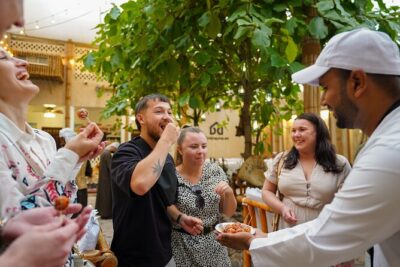
Old Town, Souks, Street Food, Guided Tour & Abra Ride
Read our review →
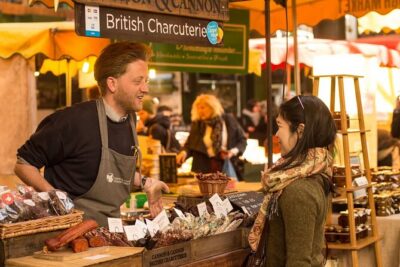
London Bridge & Borough Market Food Tour with 7 Authentic Dishes
Read our review →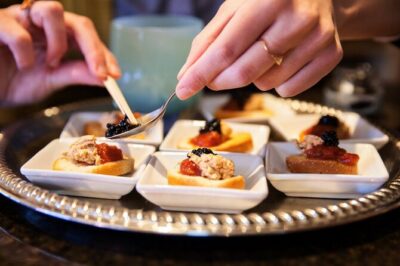
Old Town, Souks, Street Food, Guided Tour & Abra Ride
Read our review →
Small Group Cooking Class & Market Food Tour in Florence
Read our review →
Old Town, Street Food, Creek, Souks, & Emirati House
Read our review →Browse the lists this tour appears in