
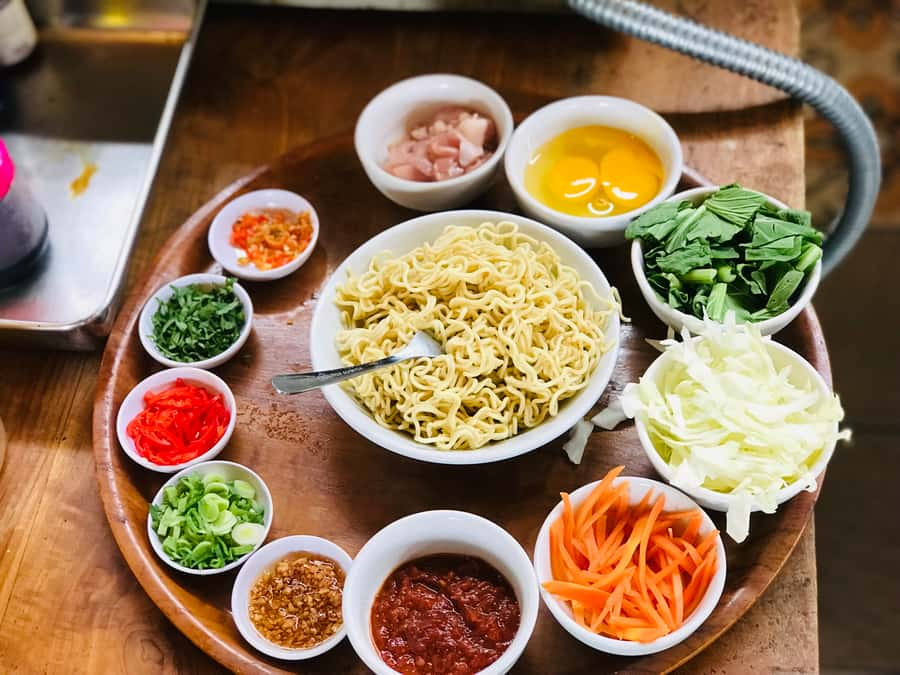
Review · INDONESIA
Bali: Balinese Cooking Class and Market Tour
Balinese cooking begins in the market, not at the stove. This five-hour experience takes you through local produce, fruit, spices, and the bargaining that comes with shopping for ingredients, then puts you in a kitchen with a chef and a shared meal waiting at the end. The market-to-table format gives the class a useful cultural angle.
I like two things right away: you cook several Balinese dishes, rather than watching a single demonstration, and the $40 price includes morning tea, lunch, a cookbook, and a certificate. The main consideration is the market visit. It may be brief and focused on selected stalls, and hands-on cooking can vary if assistants handle much of the preparation.
Key points at a glance
- Market shopping comes first: See tropical produce, spices, and local ingredients before using them in the kitchen.
- Five hours gives the class room to breathe: The activity includes tea, cooking, and a full meal.
- You eat what the group prepares: Lunch is part of the experience, not an extra purchase.
- The $40 fee includes useful take-home items: You receive a cookbook and certificate.
- English and Indonesian support is available: The instructor and audio guide are listed in both languages.
- Transport is one-way: Hotel pickup is included, but drop-off is not.
From Seminyak market to Balinese kitchen
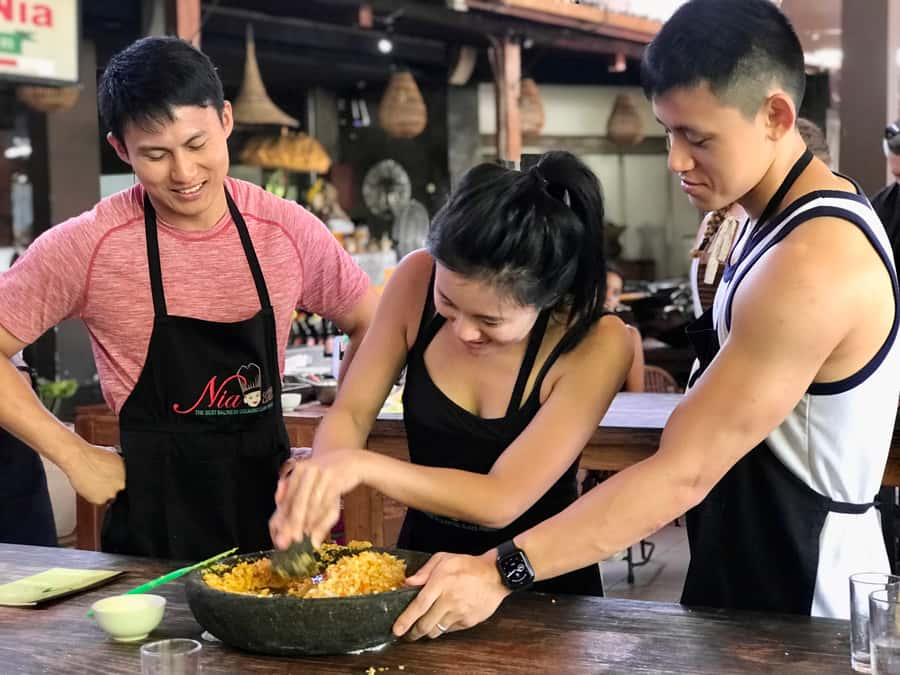
The morning starts with pickup from your hotel, so you do not need to find the cooking school on your own. Wait in the lobby 10 minutes before the scheduled time. The driver waits no more than five minutes after pickup time, a small detail that matters in Bali, where traffic can make schedules less forgiving.
The first real activity is the market tour. You look for ingredients used in Balinese cooking, including fresh produce, locally grown fruit, and fragrant spices. This is the part that gives the class context. You do not just see a spice paste listed on a recipe card. You get a better sense of the raw ingredients behind it.
You also get a chance to practice haggling. That can be fun, but keep your expectations in check. This is not presented as a long, free-ranging market expedition. One critical account described a short visit centered on two stalls, with shopping taking precedence over browsing. If you want a full morning market tour, this class may feel limited. If you mainly want enough market context to understand the ingredients, the format should suit you.
A practical tip: pay attention to names, colors, and textures during the market walk. You will remember a recipe more easily when you can connect it to the whole chilies, herbs, fruit, or spices you saw a few minutes earlier.
More Market Cooking Classes in Indonesia
- Ubud: Cooking Class with Transfers and Optional Market Visit
★ 4.9 · 824 reviews - Balinese Ubud cooking school (9 Dish Cooking and Market Tour)
★ 5.0 · 540 reviews - Ubud: Balinese Cooking Class and Market Tour
★ 4.8 · 531 reviews
Morning tea sets the pace
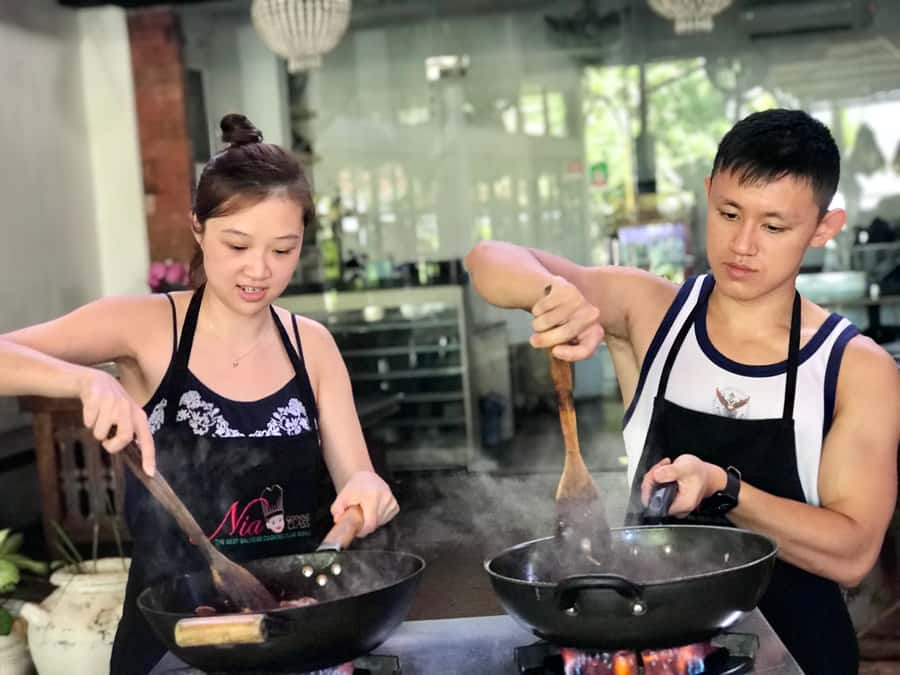
Morning tea with a Balinese cake is included before the cooking gets serious. It is a modest detail, but useful if you have an early pickup or prefer not to begin a five-hour activity hungry.
The tea break also gives you time to settle into the group. Cooking classes work best when you are willing to share a workspace, ask questions, and let other people take a turn. The atmosphere is designed as a social one, with food prepared and eaten together rather than plated as a private restaurant meal.
The group setting has a clear benefit: you can watch several people work through the same instructions and compare results. The trade-off is that you may not personally handle every step. One less favorable account found that assistants completed too much of the actual preparation, leaving the participant mostly cutting garlic. That may not be every session, but it is worth asking the instructor to let you handle the techniques you came to learn.
What you actually cook
The class focuses on popular Balinese dishes and traditional preparation methods. The supplied details do not name the exact menu, so you should check the current menu when booking if a particular dish matters to you.
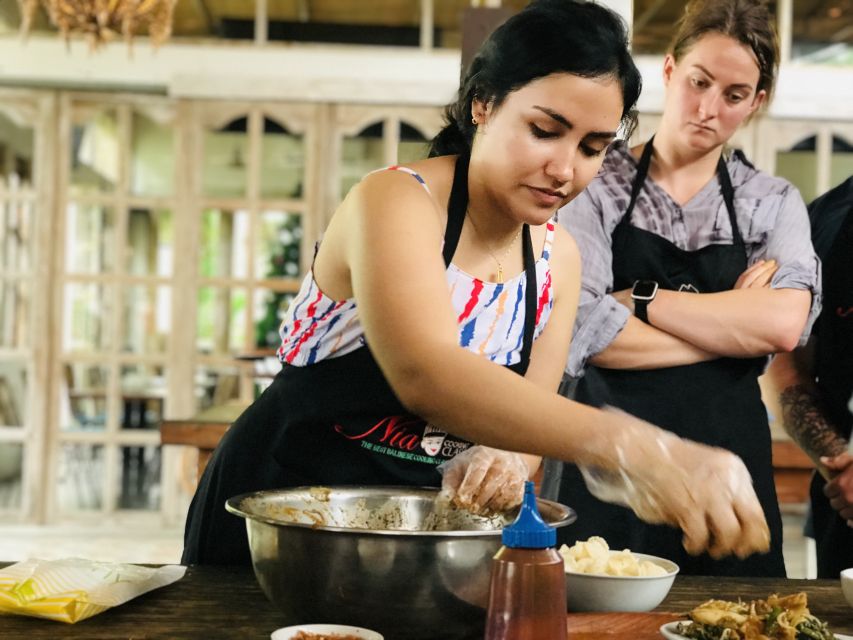
Expect the chef to explain the process, demonstrate techniques, and guide the group through preparation. The strongest part of this setup is the chance to do more than copy a recipe. You can watch how ingredients are cut, combined, and cooked, then taste the finished result with the class.
The quality of the instruction seems to be one of the main strengths. The chef is described as giving clear demonstrations and making sure people in each group have a chance to cook. That is important in a class where several dishes may be prepared at once. A good instructor keeps the pace moving while still explaining why each step matters.
Still, keep the word class in perspective. This is a group activity, not a private lesson. Some jobs may be divided between participants, and assistants may step in to keep the food on schedule. If you want close attention at every stage, a small private class would likely be a better match, but it would also usually cost more.
The class may include small snacks prepared along the way, which helps break up a long cooking session. You should have food to taste before the final lunch, rather than waiting until every dish is finished.
The shared lunch is part of the lesson
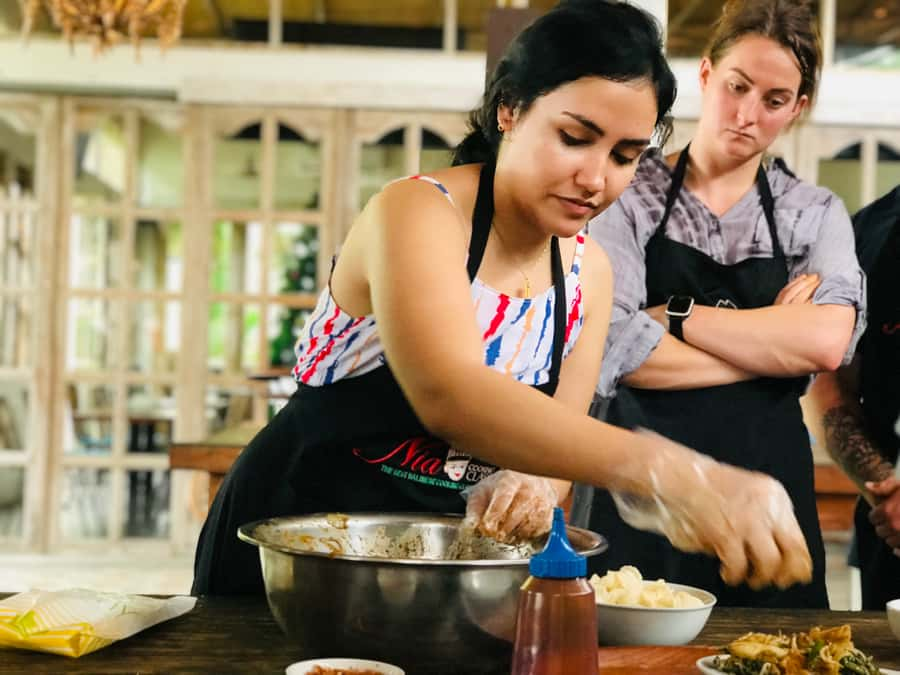
At the end, you eat the food prepared by the group. This is one of the strongest reasons to choose a cooking class over a simple demonstration. You remember a dish differently after chopping, stirring, and waiting for it to finish.
The meal is included, so you do not need to budget separately for lunch. It also gives you a chance to judge the balance of flavors and see how several dishes work together. The class may prepare a large spread, though exactly how much of your own work appears on your plate can vary.
That point deserves honesty. One critical account said the final meal included many dishes that did not seem to be the ones that participant had prepared. If you care strongly about eating only what you personally made, ask how the group divides dishes before the cooking begins. For most people, the shared meal will be a pleasant social finish. For serious home cooks, the connection between your task and the final plate may feel less direct.
Same stalls, a different way to shop and eat:
- Active Volcano, Rice Field, Hot Spring, Fruit market, Tea Plantation with Lunch
★ 5.0 · 513 reviews - Seminyak: Balinese Cooking Class & Market Tour
★ 4.9 · 458 reviews - Balinese Cooking class with traditional morning market visit
★ 5.0 · 161 reviews - PRIVATE Ubud Market Tour & Balinese Cooking Class with Putu
★ 5.0 · 125 reviews
What the cookbook and certificate add
You take home a cookbook and a certificate. The cookbook is the useful part for most people. It gives the experience a life beyond Bali and can help you recreate a favorite dish after the trip.
Do not assume it replaces careful note-taking. Write down the ingredients you liked, the cooking order, and any adjustments the chef suggests. The menu is not specified in the activity details, so you will want to mark the exact dishes you prepared while you are there.
The certificate is a pleasant souvenir and may matter if you enjoy collecting activity mementos. It is not a professional culinary qualification. Think of it as a record that you took part in the class.
Is $40 a fair price?
At $40 per person, the package includes a lot for a half-day: hotel pickup, market tour, morning tea with Balinese cake, the cooking class, lunch, a cookbook, and a certificate. I consider that a fair value if you want one organized activity that combines food, culture, and transport.
The value is strongest for visitors who would otherwise pay separately for lunch and a market visit. You also avoid the work of finding ingredients, arranging a kitchen, and figuring out recipes in an unfamiliar place.
The price looks less compelling if you want a private teacher, a long market visit, or full control over every dish. The class is built for a group, and the market portion may be more practical than exploratory. You are paying for convenience and a complete half-day program, not for a chef-training session.
There is also a small transport cost to remember. Pickup is included, but drop-off is not. Plan your next stop from the cooking school or arrange your own ride. That matters if you have an afternoon appointment or a tightly timed transfer.
Who will enjoy this class most?
I would choose this experience if you want to understand Bali through food and prefer to be active rather than sit through a demonstration. It suits couples, friends, solo participants who like group activities, and anyone who wants a meal tied to a cultural activity.
It is also a good choice if you want a tangible souvenir. The cookbook lets you carry the recipes home, while the market walk shows where the cooking begins.
You may want to think twice if you dislike shared workspaces or need a highly personal lesson. The class can involve assistants and group-based preparation. It may also frustrate you if your ideal market visit involves wandering through many stalls and choosing every ingredient yourself.
The activity is listed as wheelchair accessible, which makes it worth considering for participants who need that feature. The information does not explain the exact route, surfaces, or kitchen setup, so confirm the practical details before booking if you have specific mobility needs.
The stated age restrictions are inconsistent. The information separately lists children under 2, under 3, and under 4 as unsuitable, and also lists people over 70 and over 95. Because those limits conflict, ask the provider to confirm the rule for your party before you pay. Babies under 1 are also listed as unsuitable.
Languages, timing, and booking flexibility
Instruction is available in English and Indonesian, and an audio guide is listed in both languages. That gives you a useful backup if a cooking term needs repeating or if you prefer to hear ingredient names more than once.
The class lasts five hours, but starting times depend on availability. Allow the full half-day rather than trying to squeeze in another fixed appointment immediately afterward. The activity includes pickup, but not return transport.
The cancellation policy is friendly: you can cancel up to 24 hours in advance for a full refund. You can also reserve now and pay later, which helps if your Bali schedule is still changing. These policies do not improve the cooking itself, but they reduce the risk of booking a half-day activity too early.
My verdict on the market-to-table format
The best part of this experience is its complete arc. You see ingredients in a market, hear how they are used, prepare Balinese dishes, and sit down to eat with the people who cooked beside you. The cookbook, lunch, and tea make the $40 fee easy to understand, especially for someone seeking an organized cultural activity.
The weak point is the risk of a polished, high-volume operation. The market visit may be short, and some participants may do less cooking than expected if assistants take over. I would ask two questions before booking: How many people are in each cooking group, and will I personally prepare each dish?
Should you book it?
Book this class if you want a friendly, social introduction to Balinese food, a guaranteed lunch, and recipes to take home. It is particularly good value for first-time visitors who want market exposure without arranging everything themselves.
Skip it if you are seeking a quiet private lesson, a long market exploration, or exact control over every ingredient and technique. For everyone else, the combination of food, instruction, and cultural context makes this a sensible five-hour use of a Bali morning.
FAQ
How long does the Balinese cooking class and market tour last?
The activity lasts five hours, including the market tour, morning tea, cooking class, and lunch.
What is included in the $40 price?
The price includes hotel pickup, the market tour, morning tea with Balinese cake, lunch, a certificate, and a cookbook.
Is hotel drop-off included?
No. Pickup is included, but drop-off is not.
What languages are available?
The instructor and audio guide are available in English and Indonesian.
Do I get to eat the food prepared during the class?
Yes. Lunch consists of food made with the group during the cooking experience, although the exact connection between each participant’s preparation and the final dishes may vary.
Do I receive recipes to take home?
Yes. A cookbook is included.
Is the activity wheelchair accessible?
Yes, the activity is listed as wheelchair accessible. Contact the provider to confirm details about the specific market route and kitchen setup if you have particular access needs.
Can I cancel for a full refund?
Yes. You can cancel up to 24 hours in advance for a full refund. You can also reserve now and pay later.
More Markets in Indonesia
- Ubud Traditional Night Market Food Tour-All Inclusive
★ 4.4 · 95 reviews - Bali Food Tour: Savor Street Food and Night Market Adventures
★ 5.0 · 46 reviews - Denpasar: Museum, Traditional Market and Food Tasting Tour
★ 4.9 · 33 reviews - Bali: Turtle Conservation and Education Tour & Local Market
★ 4.8 · 20 reviews
More Cooking Classes in Indonesia
- Jambangan bali cooking class with morning market tour
★ 5.0 · 35 reviews - Balinese cooking class/Go shopping at the market, cook, eat
★ 5.0 · 12 reviews - Nusa Dua: Balinese Cooking Class with Market Tour
★ 5.0 · 4 reviews - Hanoi Cooking Class: Culture, Local Market & Meaning CSR Impact
★ 5.0 · 5,147 reviews
Just added around Indonesia
- Nusa Dua: Balinese Cooking Class with Market Tour★ 5.0 · 4 reviews
- Jambangan bali cooking class with morning market tour★ 5.0 · 35 reviews
- Balinese cooking class/Go shopping at the market, cook, eat★ 5.0 · 12 reviews
- Bali: Ubud Monkey Forest, Coffee Plantation, and Market Tour★ 5.0 · 5 reviews
- Bali: Turtle Conservation and Education Tour & Local Market★ 4.8 · 20 reviews
- Bali: Safari Zoo and Ubud Palace and Market Day Tour★ 4.7 · 6 reviews
- Bali: Penglipuran Village, Waterfall, and Night Market Tour★ 4.2 · 4 reviews
- Bali: Denpasar Market Food Tour with 7 Tastings Must-Try★ 3.9 · 3 reviews
Market Cooking Classes, compared.
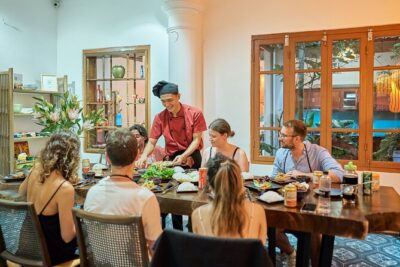
Hanoi Cooking Class: Culture, Local Market & Meaning CSR Impact
Read our review →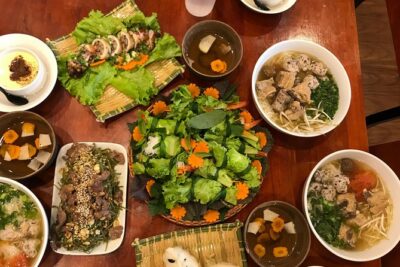
5 Traditional Dishes Hanoi Cooking Class with Market Trip
Read our review →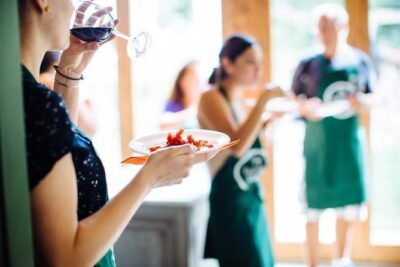
Cooking Class and Lunch at a Tuscan Farmhouse with Local Market Tour from Florence
Read our review →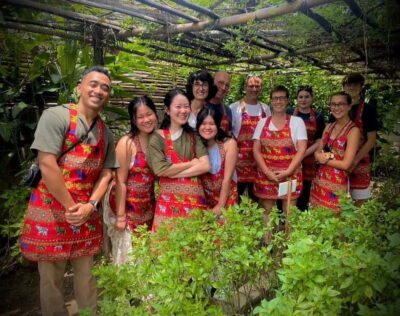
Cooking Class, Market & Thai Herbs Garden Tour
Read our review →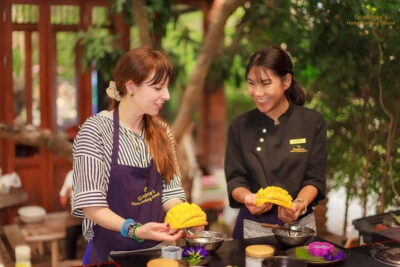
Authentic Cooking Class with Market & Farm Visit
Read our review →
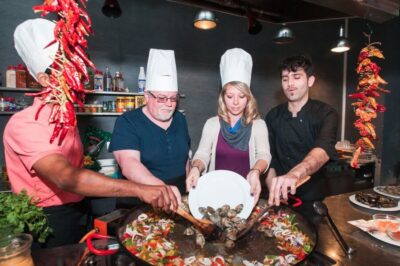
Paella Cooking Experience & Boqueria Market Tour
Read our review →
Cooking Class Hoi An:Local Market, Basket Boat, Fishing & Cooking
Read our review →Browse the lists this tour appears in