
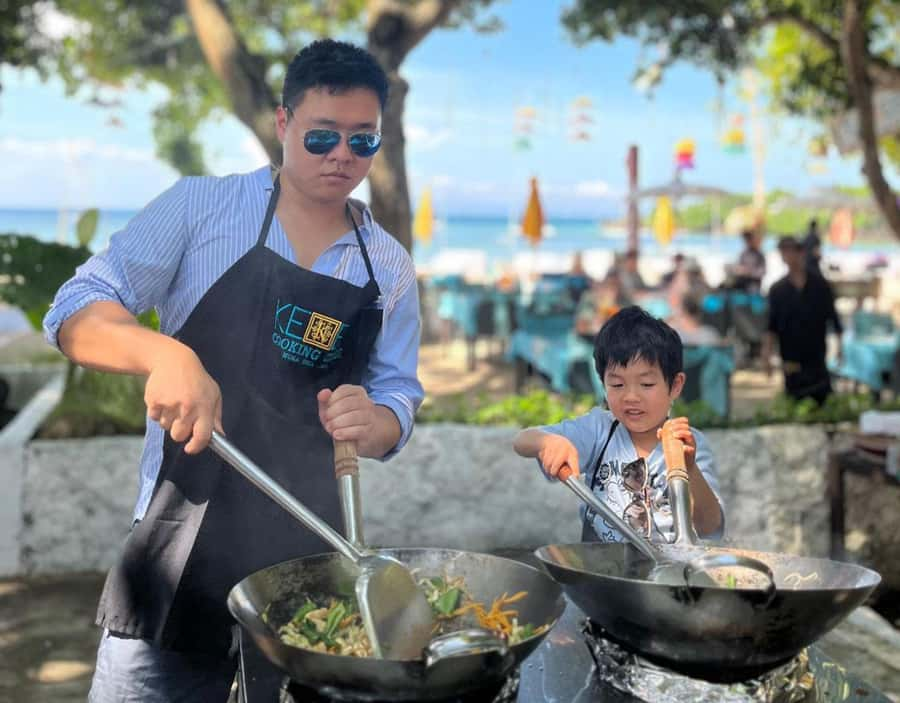
Review · INDONESIA
Nusa Dua: Balinese Cooking Class with Market Tour
The best part of this Nusa Dua experience is the chance to turn a holiday meal into a hands-on lesson. You visit a local market on the morning class, then cook 12 Balinese dishes with an English-speaking chef before sitting down to eat beside the sea. Chef Teddy leads the class, and the group is limited to 10 people.
I like the market visit because it gives the cooking a useful starting point. You see the ingredients before they reach the chopping board. I also like the 12-dish menu, which covers spice pastes, seafood, meat, vegetables, rice, noodles, and dessert rather than focusing on one simple recipe.
The main point to consider is the pace. Making 12 dishes in three to four hours is a full session, not a slow, relaxed demonstration. Children under 10 cannot join, and drinks such as beer cost extra.
Key points at a glance
- Morning market tour: Choose the 10:00 am to 2:00 pm session if you want to see the market before cooking.
- Twelve Balinese dishes: The menu includes ayam betutu, seafood curry, satay lilit, nasi goreng, mie goreng, and coconut pancake.
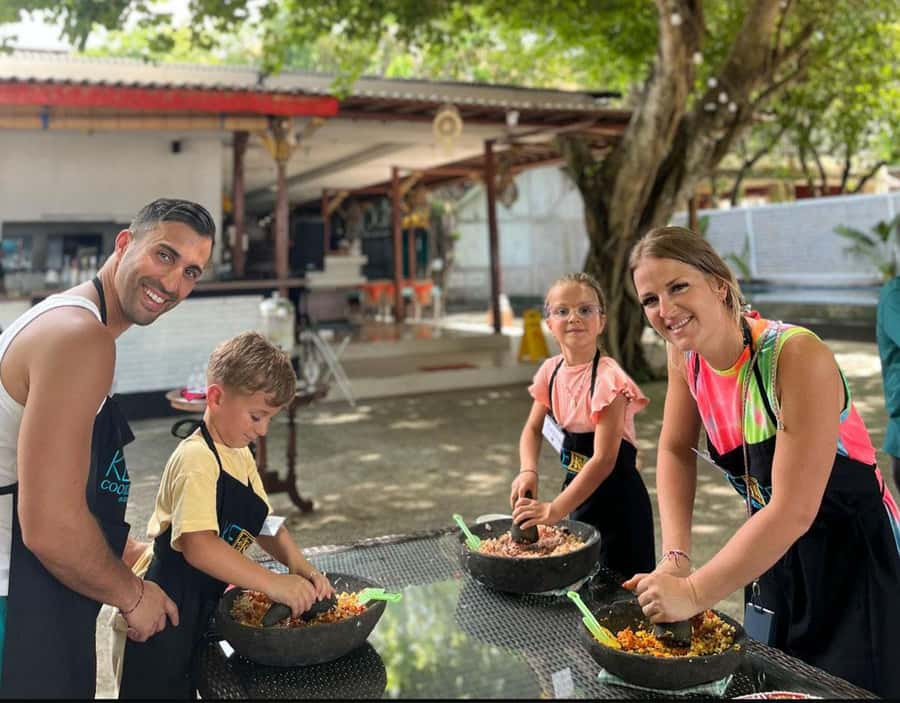
- Ocean-view setting: You eat your own cooking with sea views and live music.
- Chef Teddy: Teddy leads the class in English and is praised for making the session friendly and fun.
- Small group size: The class is limited to 10 participants, so it should feel more personal than a large demonstration.
- Useful take-home items: You receive a recipe book and certificate, giving you a way to repeat the dishes at home.
What this Nusa Dua cooking class is really like
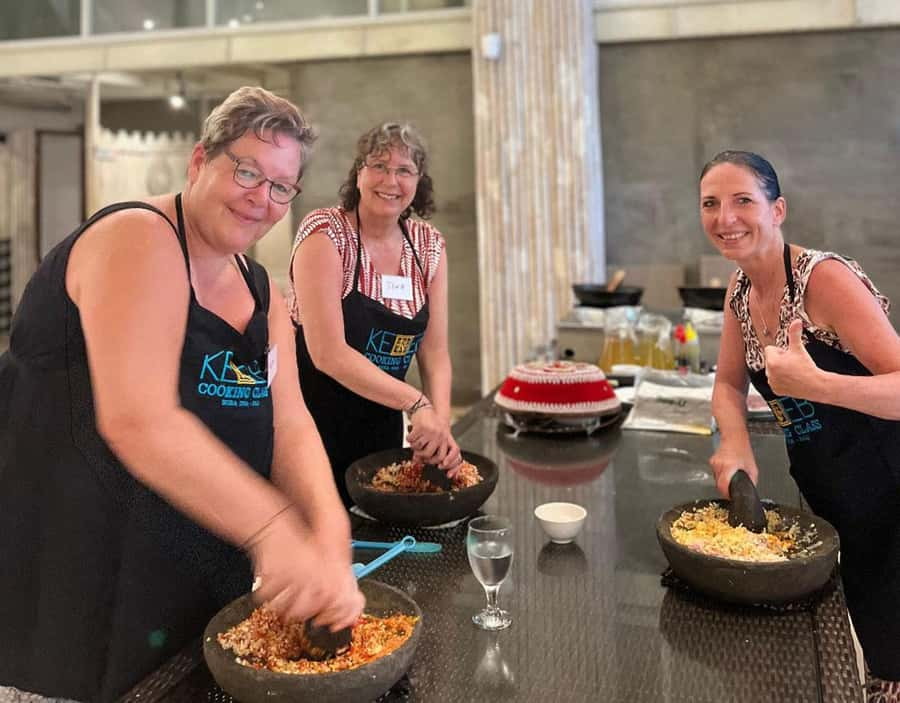
This is more than a meal with a recipe card attached. You spend the session building a Balinese menu from its basic flavors upward. The class includes the complete spice paste, known as base genep or base gede, as well as a separate seafood paste called base be pasih.
That matters because Balinese food often gets its character from the spice mixture rather than from one headline ingredient. The pastes help explain why a curry, grilled fish parcel, or chicken dish tastes distinctly Balinese. You are not simply watching a chef place prepared food on a plate.
The experience lasts three to four hours. The morning class runs from 10:00 am to 2:00 pm and includes the market tour. The afternoon class runs from 3:00 pm to 6:00 pm and does not include the market visit. Both options include cooking, a meal, welcome tea and a snack, a certificate, and a recipe book.
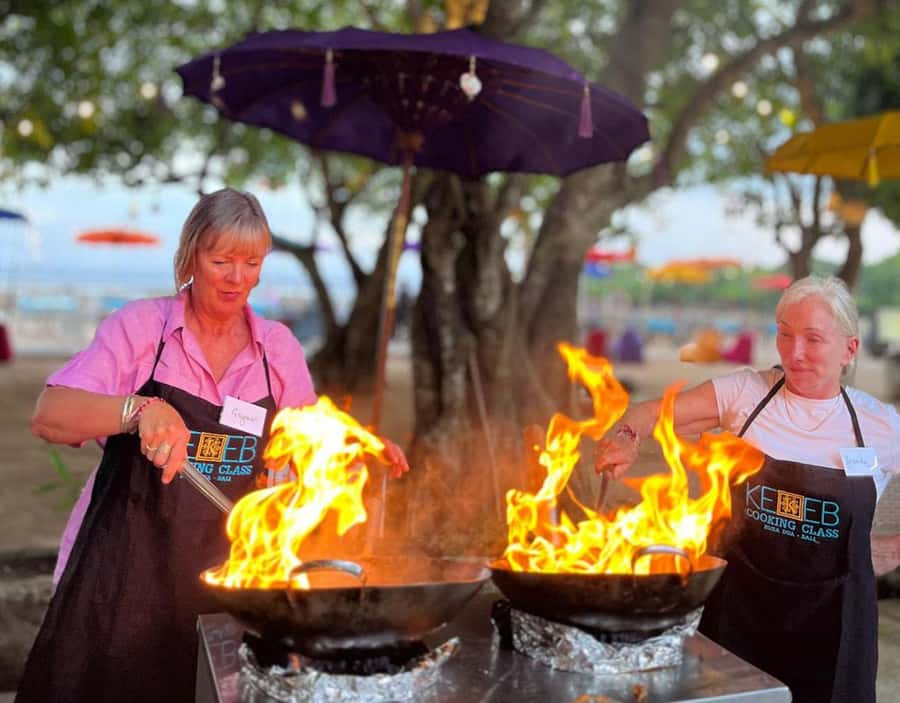
The setting also adds something that a plain kitchen class cannot. You cook with ocean views, and live music is part of the atmosphere. That makes the session feel like a holiday activity, not just a practical lesson. If you prefer a quiet, technical cooking school, the music and scenic setting may feel like a distraction. If you want food, views, and a social afternoon in one booking, it fits well.
More Market Cooking Classes in Indonesia
- Ubud: Cooking Class with Transfers and Optional Market Visit
★ 4.9 · 824 reviews - Balinese Ubud cooking school (9 Dish Cooking and Market Tour)
★ 5.0 · 540 reviews - Ubud: Balinese Cooking Class and Market Tour
★ 4.8 · 531 reviews
Why the morning market visit is worth choosing
The market tour is offered only with the morning session, so this is the better choice if local ingredients are important to you. The tour lets you see what goes into the menu before you begin cooking. It also gives the chef a natural chance to explain the produce and spices used later in the class.
The schedule is compact. You meet for the morning program at 10:00 am, visit the market, then continue with the cooking class and meal, finishing around 2:00 pm. You should choose this option if you want the fullest version of the experience and can spare most of your morning.
The afternoon class is shorter, running from 3:00 pm to 6:00 pm. It leaves the market out, but it still includes the same central cooking experience and dinner. This makes it a good choice after a morning at the beach or for anyone who prefers not to start an activity early.
The market visit is not a separate sightseeing tour. Its value comes from the way it connects to the cooking. If you mainly want to eat and cook, the afternoon session may be enough. If you want more context for the ingredients and the way Balinese meals are built, book the morning class.
Twelve dishes, from spice paste to coconut pancake
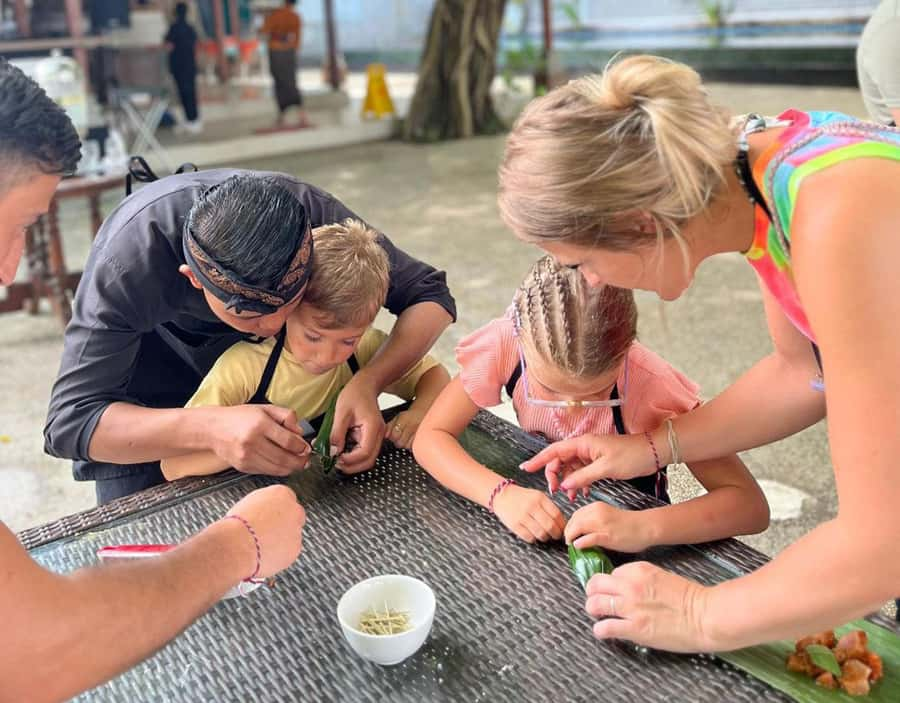
The menu is unusually broad for a class of this length. You prepare the base genep or base gede, the full Balinese spice paste used as a foundation for several dishes. You also make base be pasih, a seafood spice paste with an orange color.
The main dishes include:
- Beef rendang
- Whole roasted chicken, or ayam betutu
- Assorted seafood curry
- Grilled fish in banana leaf, or pesan be pasih
- Minced chicken satay, or sate lilit ayam
- Green bean salad with chicken, or lawar kacang
- Vegetable salad with peanut sauce, or pecelan
- Fried noodles, or mie goreng
- Fried rice, or nasi goreng
- Coconut pancake, or dadar unti
This range is useful because it shows several sides of Balinese cooking. You get slow, spice-heavy meat; seafood; grilled food wrapped in banana leaf; minced meat shaped around satay; fresh vegetable dishes; familiar Indonesian staples; and a sweet finish.
The menu also gives you a practical lesson in balance. A meal built around spicy pastes and rich sauces needs fresh vegetables, rice, noodles, and a sweet dish to round it out. The class does not focus only on curries or only on street food. You get a sense of how several dishes can work together as one meal.
There is one practical point to keep in mind: preparing 12 menus means the chef must keep the class moving. You should expect guidance and shared work rather than twelve long, separate cooking lessons. The benefit is variety. The tradeoff is that you may not spend equal time on every recipe.
Cooking with Chef Teddy in a group of 10
The class is taught in English, and Chef Teddy leads the session. He is described as friendly and fun, which is important here because the menu is large and the timing is tight. A good teacher can keep the group involved without letting the cooking turn into a rushed pile of instructions.
The maximum group size is 10 participants. That is small enough for a more personal class than a large hotel demonstration, while still giving the experience a social feel. You can expect shared energy around the cooking stations rather than a private lesson built around one person.
Teddy is also praised for being helpful with the market and cooking portions. If you want to ask about ingredients or how a dish is assembled, an English-speaking guide gives you a clear way to do so. The supplied information does not promise a private instructor, so you should think of this as a small group lesson, not one-on-one tuition.
The class is likely to suit curious eaters, couples, friends, and solo visitors who enjoy meeting other people through food. It is not suitable for children under 10. You should also be comfortable taking part in a fairly active session, since the point is to cook rather than simply watch.
Same stalls, a different way to shop and eat:
- Active Volcano, Rice Field, Hot Spring, Fruit market, Tea Plantation with Lunch
★ 5.0 · 513 reviews - Seminyak: Balinese Cooking Class & Market Tour
★ 4.9 · 458 reviews - Balinese Cooking class with traditional morning market visit
★ 5.0 · 161 reviews - PRIVATE Ubud Market Tour & Balinese Cooking Class with Putu
★ 5.0 · 125 reviews
From welcome tea to your own Balinese meal
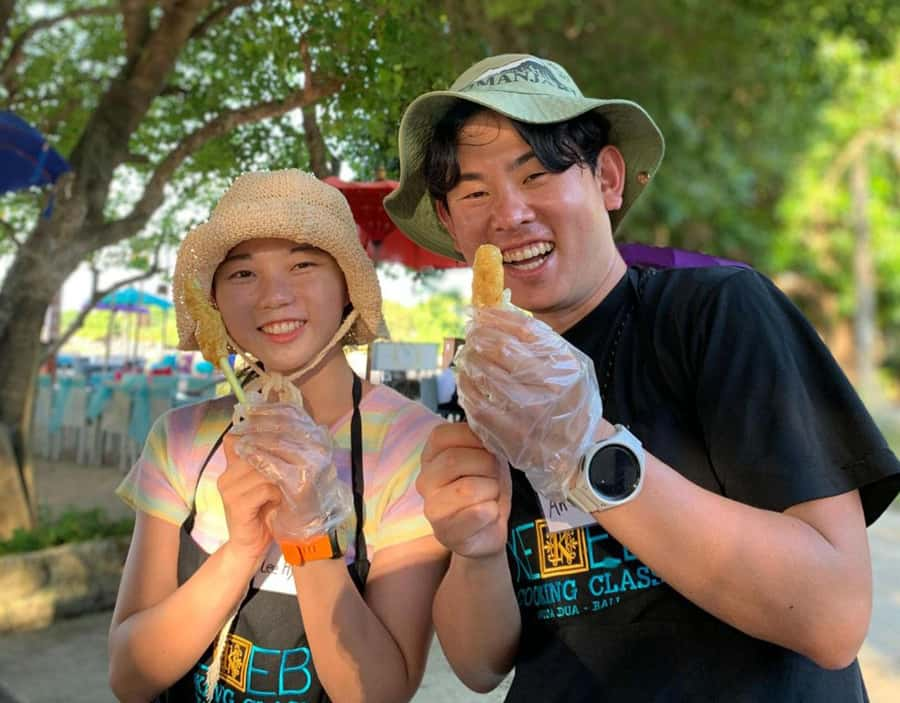
The session begins with welcome tea and a snack. This is a small touch, but it gives you time to settle in before the main work starts. The important part of the experience then moves to the ingredients, pastes, and dishes that make up the menu.
The chef guides you through the preparation of the 12 dishes. The precise order can vary, but the menu is designed to build toward a full meal. Spice pastes provide the base, meats and seafood bring the main flavors, salads add freshness, and fried rice, fried noodles, and coconut pancake complete the spread.
At the end, you eat what you have prepared. Morning participants receive lunch, while afternoon participants receive dinner. This is one of the strongest parts of the value: your meal is not an extra restaurant stop after the class. It is the result of the work you have just done.
The ocean view and live music make the meal feel festive. You are not just taking notes and leaving with a box of food. You sit down and see the full menu together. For many people, that final meal will be the moment when the separate ingredients and techniques make sense.
You may want to bring cash. Drinks are not included, and additional beverages such as beer cost extra. Tea and the welcome snack are included, as are the main meal and cooking ingredients listed for the class.
What the recipe book and certificate add
The recipe book is the most useful take-home item. A cooking class can be easy to enjoy and hard to repeat if you leave with only a memory. Having the recipes gives you a better chance of recreating at least some of the dishes at home.
You should not expect the recipe book to replace the class itself. Balinese spice pastes can involve several ingredients and preparation steps, and the hands-on guidance helps you understand how the recipes come together. Still, the book gives you a practical reference after your holiday.
The certificate is more of a keepsake than a cooking qualification. It marks your participation and can be a nice reminder of the meal, especially if you are collecting small memories from Bali rather than buying another ordinary souvenir.
Together, the book and certificate make the experience feel more complete. The real value, though, comes from cooking and eating the dishes. The paper items are useful extras, not the reason to book.
Is $86 a fair price?
At $86 per person, this is not the cheapest way to eat in Bali. You can find inexpensive meals around the island, and a standard restaurant dinner will cost much less. The question is what you are comparing.
The price covers three to four hours of activity, a morning market tour if you choose the morning class, an English-speaking chef, the cooking of 12 dishes, welcome tea and a snack, lunch or dinner, a recipe book, a certificate, the ocean-view setting, and live music. You are paying for instruction and an experience, not just for food.
I think the value is strongest for people who would otherwise pay for both a cultural activity and a meal. The class gives you a structured look at ingredients, a hands-on session, and a substantial meal in one booking. The small group limit also makes the price easier to justify than a large, passive cooking show.
The value is weaker if you dislike group activities, do not enjoy cooking, or mainly want a cheap lunch. You may also spend more than expected if you order alcoholic drinks. Bring cash for those extras and do not assume beverages beyond the included tea are covered.
The reserve-now-and-pay-later option helps if your Bali schedule is still moving around. You can hold a place without paying immediately, and cancellation is free up to 24 hours before the activity for a full refund. You must book at least one day before the start date.
Choosing morning or afternoon
Choose the morning class if:
- You want the market tour.
- You prefer lunch after cooking.
- You want the longer four-hour schedule.
- You are interested in seeing ingredients before using them.
Choose the afternoon class if:
- You prefer a later start at 3:00 pm.
- You want dinner rather than lunch.
- You do not need the market visit.
- You want a shorter three-hour activity.
The two options share the main cooking menu, ocean setting, guide, welcome tea and snack, certificate, and recipe book. The market tour is the key difference. Make that decision first, then fit the class around your day in Nusa Dua.
Who should book this experience?
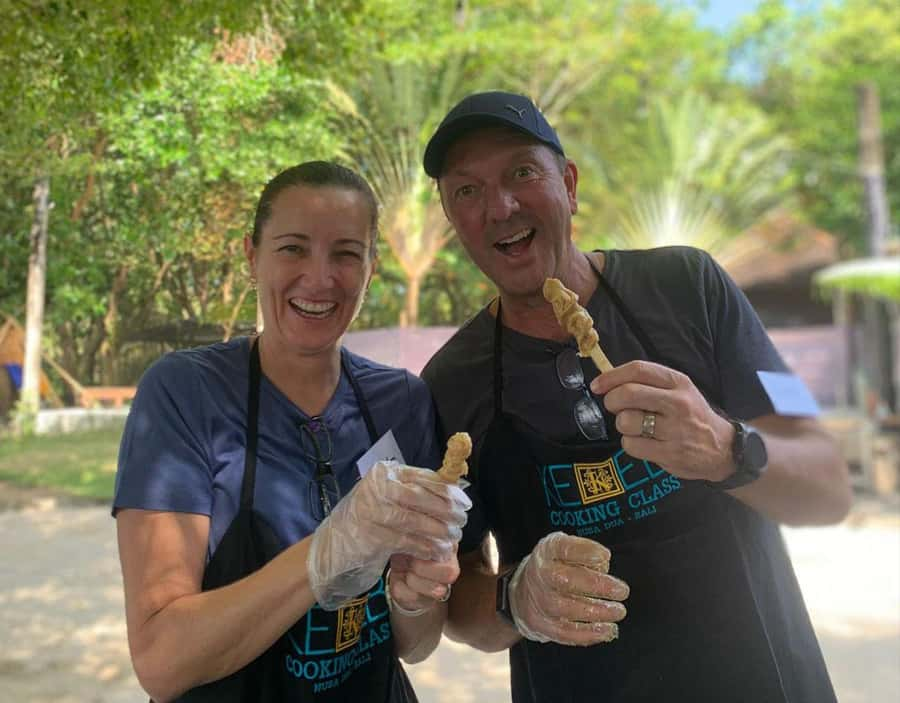
I would recommend it to anyone who wants more than a restaurant meal and enjoys learning by doing. It is especially useful if you have tried Indonesian food but want to understand the spice base, the banana-leaf cooking, and the mix of meat, seafood, vegetables, rice, noodles, and dessert.
It also suits visitors who want a social activity with a clear end point. You cook, sit down to eat, and leave with recipes. You do not need to plan a separate dinner after the afternoon session.
The class may not suit a very young family, since children under 10 are not allowed. It may also disappoint anyone expecting a quiet, private lesson or a slow focus on one recipe. Twelve dishes in a few hours means a lively schedule.
Chef Teddy is a particular reason to consider it. His role is not just to demonstrate food. He guides the group, explains the dishes, and keeps the mood light. That matters when the menu is long and several people are working together.
My verdict on the Nusa Dua cooking class
Book this if you want a hands-on Balinese food experience with a broad menu, an ocean-view meal, and useful recipes to take home. I would choose the morning session because the market tour adds context and makes the day feel more connected from ingredients to finished dishes.
Choose the afternoon option if you care more about convenience and dinner than market exploration. At $86, this is a premium activity rather than a cheap meal, but the combination of instruction, 12 dishes, a small group, and a full lunch or dinner gives it solid value for food-focused visitors.
Skip it if you want a low-cost restaurant meal, dislike group cooking, or need a child-friendly activity for children under 10. For everyone else, this is a practical and enjoyable way to put Bali’s flavors into your own hands.
FAQ
Where does the cooking class take place?
The experience takes place in Nusa Dua, Bali, in a setting with ocean views.
How long does the activity last?
The activity lasts three to four hours. The morning class runs from 10:00 am to 2:00 pm, while the afternoon class runs from 3:00 pm to 6:00 pm.
Does the morning class include a market tour?
Yes. The market tour is included only with the morning class.
What food will I cook?
You will cook 12 Balinese dishes, including beef rendang, ayam betutu, seafood curry, grilled fish in banana leaf, sate lilit ayam, lawar kacang, pecelan, mie goreng, nasi goreng, and dadar unti. You will also prepare two spice pastes.
Is lunch or dinner included?
Yes. The morning class includes lunch, and the afternoon class includes dinner.
Is the cooking class taught in English?
Yes. The instructor language is English.
How many people can join the class?
The class is limited to 10 participants.
Are drinks included?
Welcome tea and a snack are included. Other drinks, including beer, cost extra.
Can children join the activity?
Children under 10 are not allowed to participate.
What should I bring?
Bring cash. You should also book at least one day before the activity begins.
More Markets in Indonesia
- Ubud Traditional Night Market Food Tour-All Inclusive
★ 4.4 · 95 reviews - Bali Food Tour: Savor Street Food and Night Market Adventures
★ 5.0 · 46 reviews - Denpasar: Museum, Traditional Market and Food Tasting Tour
★ 4.9 · 33 reviews - Bali: Turtle Conservation and Education Tour & Local Market
★ 4.8 · 20 reviews
More Cooking Classes in Indonesia
- Jambangan bali cooking class with morning market tour
★ 5.0 · 35 reviews - Bali: Balinese Cooking Class and Market Tour
★ 4.8 · 19 reviews - Balinese cooking class/Go shopping at the market, cook, eat
★ 5.0 · 12 reviews - Hanoi Cooking Class: Culture, Local Market & Meaning CSR Impact
★ 5.0 · 5,147 reviews
Just added around Indonesia
- Bali: Balinese Cooking Class and Market Tour★ 4.8 · 19 reviews
- Jambangan bali cooking class with morning market tour★ 5.0 · 35 reviews
- Balinese cooking class/Go shopping at the market, cook, eat★ 5.0 · 12 reviews
- Bali: Turtle Conservation and Education Tour & Local Market★ 4.8 · 20 reviews
- Bali: Safari Zoo and Ubud Palace and Market Day Tour★ 4.7 · 6 reviews
- Bali: Ubud Monkey Forest, Coffee Plantation, and Market Tour★ 5.0 · 5 reviews
- Bali: Penglipuran Village, Waterfall, and Night Market Tour★ 4.2 · 4 reviews
- Bali: Denpasar Market Food Tour with 7 Tastings Must-Try★ 3.9 · 3 reviews
Market Cooking Classes, compared.
Hanoi Cooking Class: Culture, Local Market & Meaning CSR Impact
Read our review →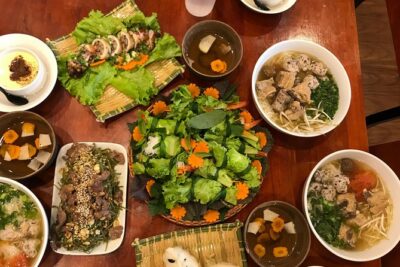
5 Traditional Dishes Hanoi Cooking Class with Market Trip
Read our review →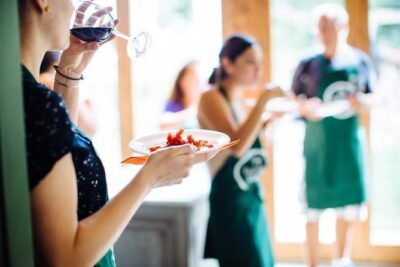
Cooking Class and Lunch at a Tuscan Farmhouse with Local Market Tour from Florence
Read our review →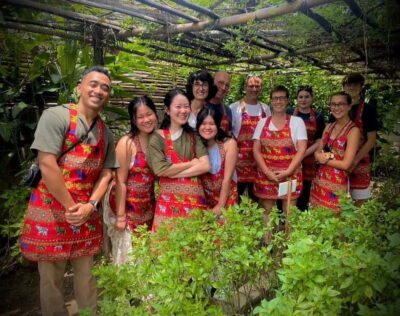
Cooking Class, Market & Thai Herbs Garden Tour
Read our review →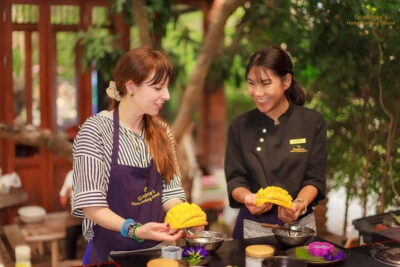
Authentic Cooking Class with Market & Farm Visit
Read our review →
Paella Cooking Experience & Boqueria Market Tour
Read our review →
Cooking Class Hoi An:Local Market, Basket Boat, Fishing & Cooking
Read our review →Browse the lists this tour appears in