
Review · KUALA LUMPUR
Kuala Lumpur: Street Market Exploration & Shopping Tour
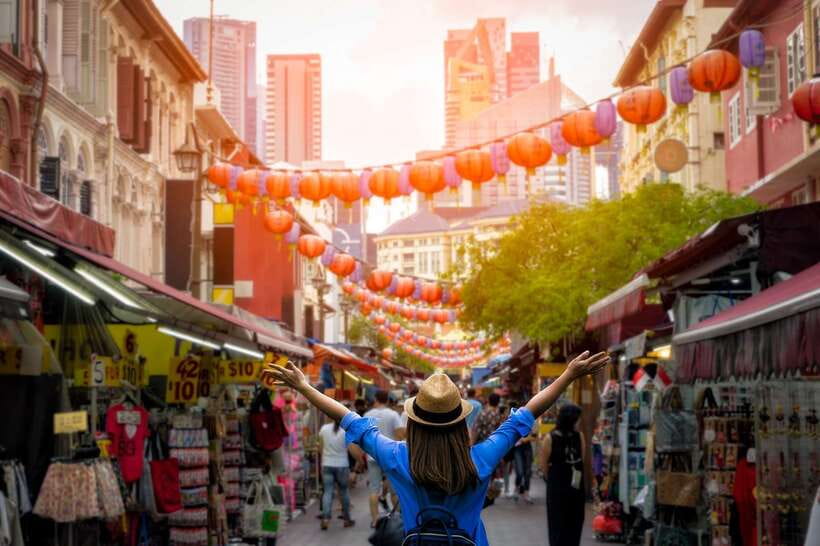
Kuala Lumpur’s best market experience is not one big bazaar. It is the contrast between several districts, each with its own food, goods, and cultural character. This private four-hour tour links Little India, Central Market, Chinatown, and Masjid India without asking you to work out the city’s traffic and connections yourself.
I like the mix of shopping and street exploration, especially the chance to compare Indian clothing and spices with Chinese-market goods and Malaysian handicrafts. I also like the air-conditioned vehicle and hotel pickup, a real help in Kuala Lumpur’s heat.
The main drawback is pace. With several districts packed into four hours, you may have time to browse but not enough time to bargain slowly, eat a full meal, and see every corner. One French visitor specifically found there was not enough time to see and negotiate for everything.
Key points at a glance
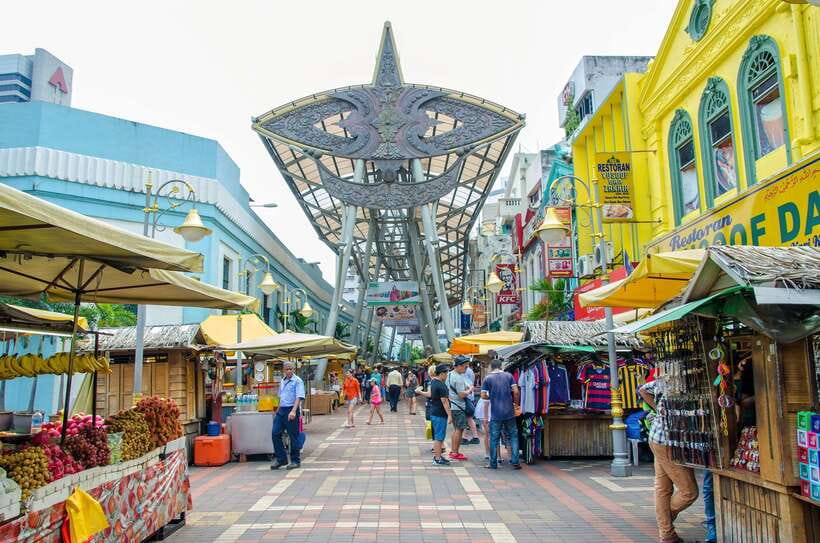
- Brickfields brings the strongest cultural contrast: Kuala Lumpur’s Little India is the place for Indian sarees, dresses, spices, and colorful streets.
- Central Market adds heritage and handicrafts: The 1937 Art Deco building now houses stalls for Malaysian crafts, souvenirs, and food.
- Chinatown is your bargaining stop: Allow about 45 minutes to browse goods, practice your price skills, and consider local noodle or fish dishes.
- Masjid India widens the shopping choice: You can look for Malaysian, Indian, and Chinese clothing, souvenirs, and food.
- Private transport keeps the route simple: Hotel pickup, drop-off, an air-conditioned vehicle, and an English-speaking driver-guide are included.
- The tour works best as an introduction: At $31 per person, it is good value for a quick overview, but serious shoppers may want more time in one district.
Why this four-hour route works
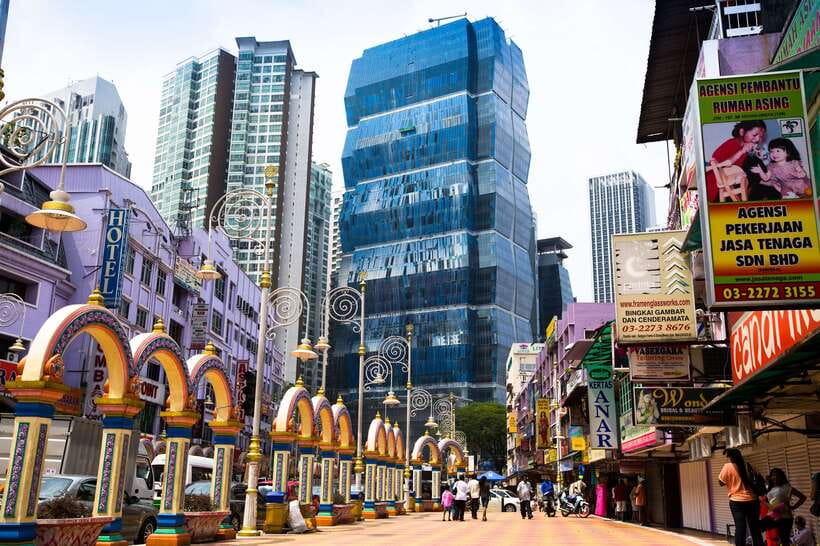
This is a market sampler rather than a dedicated shopping expedition. You move through several parts of Kuala Lumpur, get a feel for their different identities, and stop for shopping, photographs, sightseeing, and possible food tasting along the way.
I see the value in that format if you have only a short stay or want an easy first look at the city. A private vehicle means you are not tied to a large group, and the driver-guide can communicate in English. The tour is also listed as wheelchair accessible, though the amount of walking and the condition of individual market areas are worth confirming when you book.
The advertised price is $31 per person. Since hotel pickup and drop-off, four hours in an air-conditioned vehicle, and an English-speaking driver-guide are included, that is a fair price for a private orientation tour. Food, drinks, purchases, and personal expenses are extra, so treat the price as transport and guiding rather than an all-inclusive shopping budget.
The route can take four to six hours in practice, while the stated tour duration is four hours. The listed stops add up to less than the full duration because driving, hotel pickup, traffic, and time between districts fill the remaining period.
More market shopping trips in the world:
- Marrakesh: Guided Souk Shopping Tour with a Local Guide
★ 4.9 · 651 reviews - Shopping in the Souks of Marrakech Private Tour
★ 5.0 · 620 reviews - Cairo: Local Markets & Khan el Khalili Private Shopping Tour
★ 4.6 · 614 reviews
Starting in Brickfields, Kuala Lumpur’s Little India
The detailed route describes Brickfields as a possible first stop. It is just outside central Kuala Lumpur and is known as the city’s Little India, with Indian residents and businesses shaping the streets.
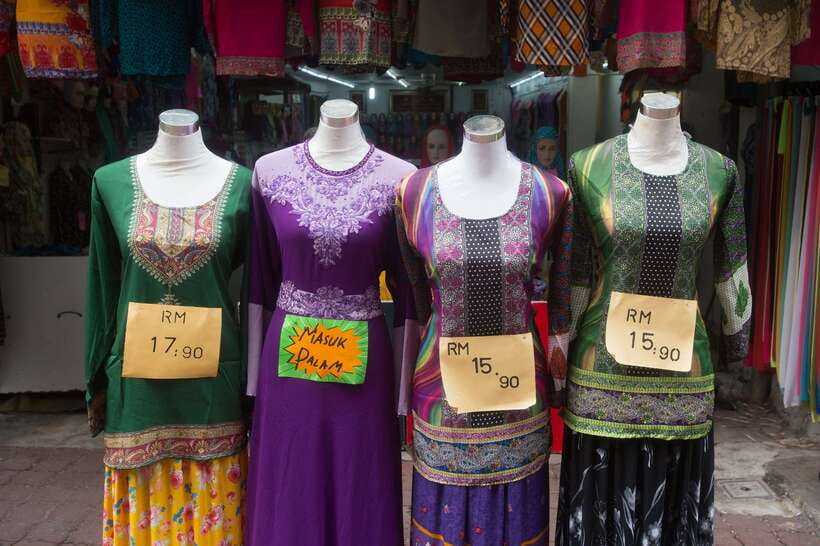
This is where the tour begins with the clearest burst of color. You can browse Indian sarees and dresses, look at local spices, and sample Indian food if time allows. Even if you are not planning to buy clothing, the stop helps you see how Kuala Lumpur’s different communities shape its shopping streets.
For shoppers, Brickfields is more useful than a generic souvenir stop. Sarees and Indian dresses are specific purchases, and the spice selection gives you something different from the usual magnets and key rings. I would decide early whether you are seriously shopping for clothing. If you are, tell the guide, since four hours leaves little room for lingering at every district.
The route description says Brickfields may come first, but the timed itinerary lists Chinatown before Central Market and Masjid India later. That tells you the order can shift. The operator also warns that the route may change because of unforeseen conditions, so think of the tour as a set of market areas rather than a fixed sequence.
Central Market and the 1937 Art Deco building
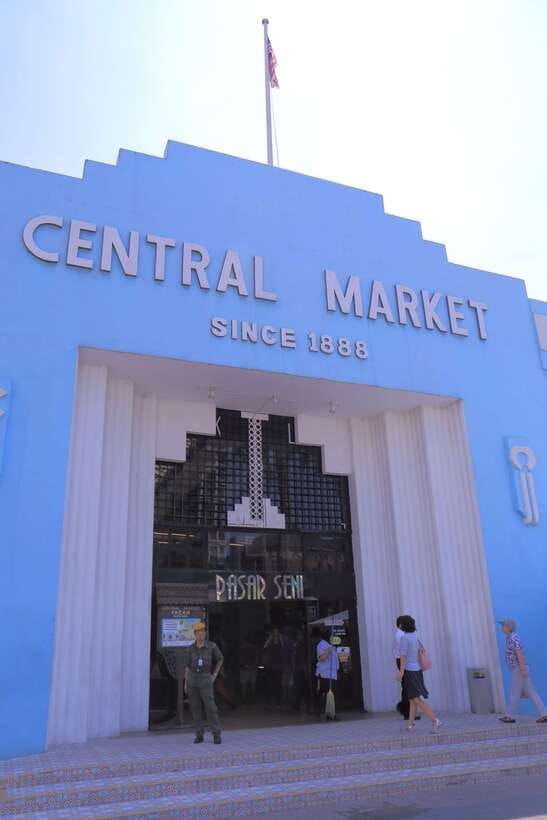
Central Market is the most useful stop for gifts and Malaysian crafts. It began in 1888 as a wet market, and the current Art Deco building was completed in 1937. It is recognized as a heritage site by the Malaysian Heritage Society.
The market uses a stall layout based on Kuala Lumpur’s older market tradition. You can shop for handicrafts and souvenirs for family or friends, then pause to look at the building itself rather than treating the stop as only a retail hall.
The site also includes representations of traditional Kampong-style houses. Both single-storey and two-storey forms appear, reflecting the many ethnic groups living in Kuala Lumpur. That gives the stop more context than a modern shopping center, even if your main goal is simply to find a practical gift.
The planned visit is about 30 minutes. That is enough for a quick look and a few purchases, but not enough for slow browsing, a meal, and detailed comparison shopping. Central Market has a second-floor food court with a range of food, but food and drinks are not included in the tour price.
I would save your most important souvenir decisions for this stop if you want Malaysian crafts. Chinatown is better suited to bargaining, while Central Market gives you a more organized place to compare local items.
Chinatown for bargaining and street food
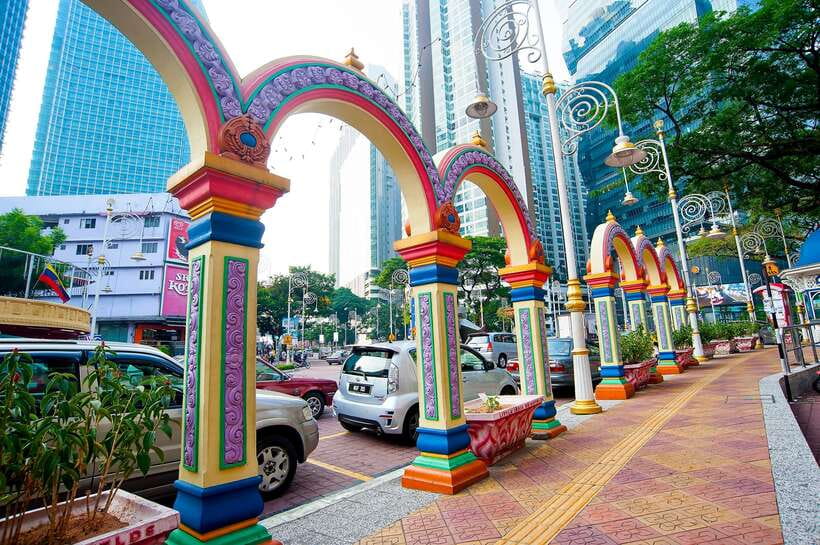
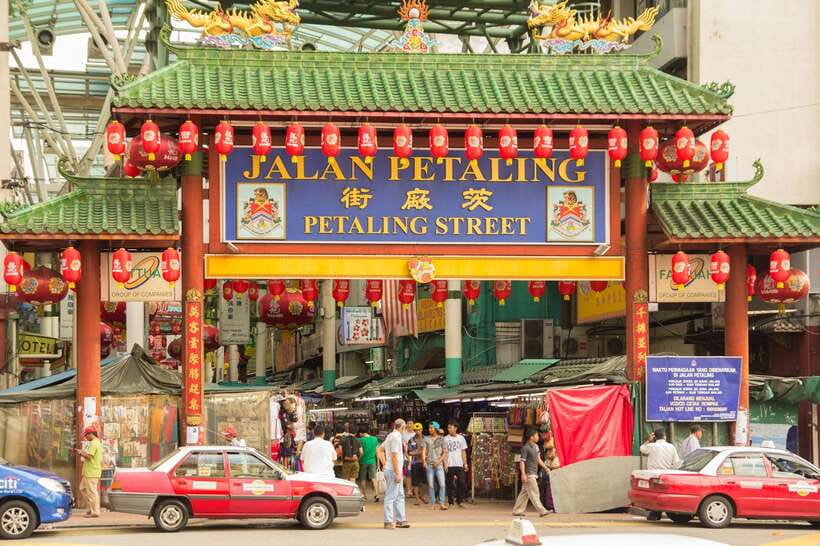
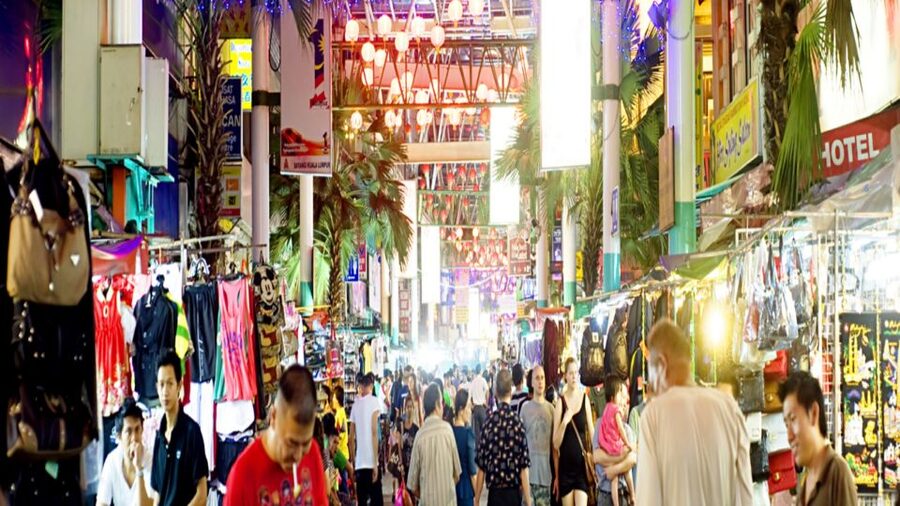
Chinatown receives about 45 minutes in the listed schedule, making it one of the longer stops. The area is famous with tourists and is also used by local shoppers, with crowded lanes, market stalls, restaurants, and food vendors.
Haggling is part of the experience here. If you see something you like, ask the price, make a lower offer, and keep the exchange friendly. You do not need to buy every item, and you should not assume the first price is final. The guide can help you understand the local rhythm, though the tour does not promise that every purchase will be translated or negotiated for you.
The food is another reason to pay attention. Chinatown has restaurants and stalls serving dishes such as Hokkien mee, ikan bakar, asam laksa, and curry noodles. These are not included, so carry money for anything you want to taste.
Forty-five minutes is a useful amount of time for a first look, but it passes quickly if you stop to eat. You may need to choose between a proper food stop and serious shopping. I would decide before arriving which matters more to you.
Chinatown is also the place where personal shopping habits matter most. If you dislike bargaining or prefer fixed prices, the stop may feel tiring. If you enjoy comparing goods and negotiating over small purchases, it can be the most playful part of the route.
A few more market tours around the world worth a look
- Bangkok: Damnoen Saduak Market and Maeklong Railway Market
★ 4.5 · 26,723 reviews - The Old Siam: Damnoen Saduak and Maeklong Railway Market
★ 4.5 · 10,992 reviews - Bangkok: Train Market & Floating Market with Boat Ride
★ 4.7 · 9,547 reviews - From Bangkok: Ayutthaya & Ayothaya Floating Market Day Trip
★ 4.7 · 6,084 reviews
Masjid India for Malaysian, Indian, and Chinese goods
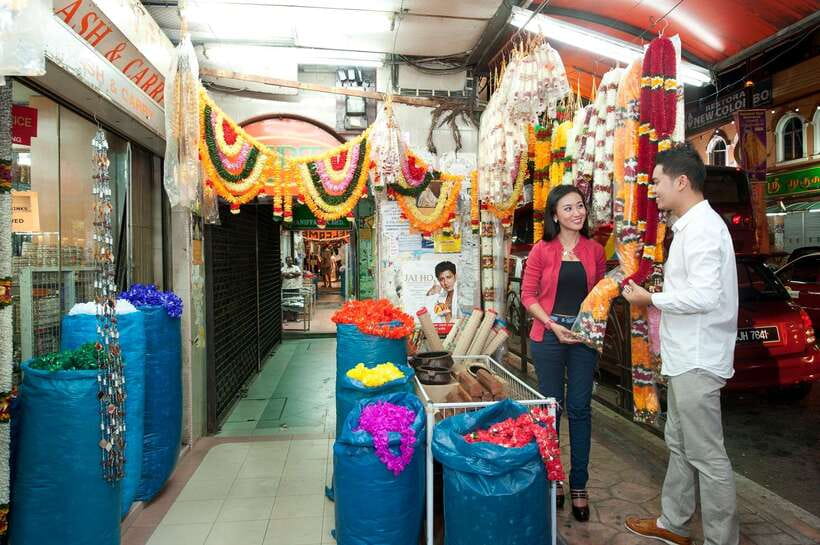
Masjid India is listed as the last destination, with around 20 minutes for sightseeing and shopping. The area gives you another chance to look at clothing, souvenirs, and food, with Malaysian, Indian, and Chinese items available in the same district.
This stop is short, so I would not save a long shopping list for the end. Use it to fill a gap in what you have already seen, pick up a small item, or sample food if the timing works. It also gives the route a useful final comparison: Little India focuses your attention on Indian goods, Chinatown on bargaining, Central Market on crafts, and Masjid India brings several categories together.
The limited time is the clearest weakness here. Twenty minutes may be enough for a quick walk and a purchase, but not for careful browsing. If Masjid India is your main reason for booking, ask the guide at pickup whether the route can give it more attention.
What the vehicle and guide add
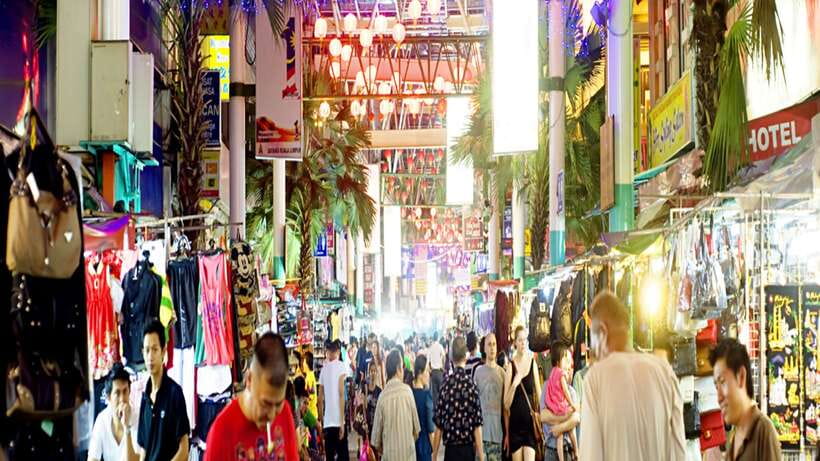
The tour includes pickup and return to your Kuala Lumpur hotel, provided the hotel is within Kuala Lumpur. You ride in an air-conditioned vehicle for the four-hour outing, which matters when moving between outdoor market streets in a hot city.
The private format is more useful than it may first sound. You are not waiting for a large group at every stall, and the guide can adjust the pace to your interests within the available time. The route may also be adapted if you have already seen part of the planned program.
Kimber, one of the named guides, took a different route for a guest who had already seen the official tour and added a Chinese temple. That does not mean a temple visit is guaranteed, but it shows why you should tell the guide what you have already done in Kuala Lumpur. Sathesh was praised for listening carefully and handling the visit with professionalism, while Vera received strong praise for an informative day. Raj was noted for keeping in touch during the outing.
Those details point to an important practical tip: communicate your priorities at the start. Say if you want clothing, food, handicrafts, photographs, or bargaining. The tour has enough flexibility to respond, but not enough hours to do everything.
Food tasting, purchases, and your real budget
Food tasting is part of the experience description, but food and drinks are excluded. That distinction matters. You can try Indian food in Brickfields, use the Central Market food court, or sample dishes in Chinatown and Masjid India, but you pay for anything you order.
At $31 per person, the tour is not expensive for a private half-day outing with transport. Still, your total cost depends on how much you buy. Clothing, handicrafts, souvenirs, and food can quickly become the main expense.
I would carry a small shopping budget and keep room for spontaneous purchases. You do not need to buy at every stop. In fact, comparing prices between districts can be part of the fun, especially for common souvenirs.
The route also suits people who want food suggestions without committing to a full food tour. You get access to several areas where local dishes are available, but there is no promise of a set tasting menu or included meal.
Timing, walking, and the pace of shopping
The schedule gives Chinatown about 45 minutes, Central Market 30 minutes, Masjid India 20 minutes, and another 45-minute stop listed as Crawford County. Crawford County is named in the itinerary with sightseeing, shopping, and a photo stop, but no further description is provided. Ask the operator or guide what that stop will be on your date.
The rest of the four hours covers driving, pickup, drop-off, and transitions. Kuala Lumpur traffic can affect how long you have on foot, and the route may change without prior notice. You will get the best value if you arrive ready to make quick choices.
Wear comfortable shoes and keep your purchases manageable. The tour combines vehicle rides with walks through market areas, and shopping bags become awkward when you are moving from one district to the next.
The tour is marked wheelchair accessible, but the provided details do not explain the exact surfaces, stall access, or restroom arrangements at each stop. If you use a wheelchair, contact the provider before booking and describe your needs clearly.
Who should book this market tour
I would choose this experience if you have one free half-day and want a guided introduction to Kuala Lumpur’s shopping districts. It is also a sensible option for first-time visitors who would rather let a driver handle the route and return them to the hotel.
It suits shoppers with broad interests: Indian clothing, spices, Malaysian crafts, Chinese-market goods, food, and small gifts all appear in the plan. Families and private groups may also appreciate not having strangers set the pace.
I would hesitate if you want a slow, serious shopping day. The tour touches several districts, but the short stops make it hard to compare many shops or bargain at length. A dedicated shopping plan focused on one or two areas would suit you better.
The high rating of 4.9 from 12 bookings reflects a strong overall response, but the smaller number of ratings means you should still judge the tour by its format. The best results depend on a good guide and clear communication about what you want to see.
Should you book it?
Book this tour if you value variety, private transport, and a local guide more than long shopping sessions. At $31 per person, it offers a practical way to sample four distinct market areas, with hotel pickup, an air-conditioned vehicle, and drop-off included.
Skip it if your main goal is to bargain for hours in Chinatown or spend an afternoon studying handicrafts at Central Market. For everyone else, this is a useful first pass through Kuala Lumpur’s markets, especially when you have limited time and want a simple route through Little India, Central Market, Chinatown, and Masjid India.
FAQ
How long does the Kuala Lumpur market tour last?
The stated duration is four hours. The experience description also says it may run from four to six hours, depending on the route and conditions.
What is the price of the tour?
The listed price is $31 per person.
Is hotel pickup included?
Yes. Pickup and drop-off are included for hotels in Kuala Lumpur.
Is the tour private?
Yes. It is offered as a private group experience.
Which language does the guide speak?
The driver-guide speaks English.
Is food included in the price?
No. Food and beverages are not included. You pay separately for meals, snacks, and drinks.
Which market areas does the tour visit?
The planned areas include Chinatown, Central Market, Jalan Masjid India, Brickfields, and a stop listed as Crawford County. The order may change.
Can I shop for Indian clothing and spices?
Yes. Brickfields is known as Kuala Lumpur’s Little India, where you can shop for Indian sarees and dresses and look for local Indian spices.
Can I cancel the booking?
Yes. You can cancel up to 24 hours in advance for a full refund. You can also reserve now and pay later.
More Shopping Tours in the world
- Hanoi Cooking Class: Culture, Local Market & Meaning CSR Impact
★ 5.0 · 5,147 reviews - 5 Traditional Dishes Hanoi Cooking Class with Market Trip
★ 5.0 · 4,890 reviews - Cooking Class and Lunch at a Tuscan Farmhouse with Local Market Tour from Florence
★ 5.0 · 4,831 reviews - Chiang Mai: Cooking Class, Market & Thai Herbs Garden Tour
★ 4.9 · 4,824 reviews
Just added around the world
- Three-Hour Private Chengdu Tea Wholesale Market Tour★ 5.0 · 4 reviews
- Half-day Dandan Noodles Cooking Class with a Local Market Visit★ 5.0 · 8 reviews
- Chania: Old Town, Public Market, Hill of Prophet Elias, Agia Triada★ 5.0 · 35 reviews
- Moroccan Cooking Class with a Local Family & Market Visit★ 5.0 · 16 reviews
- Chania Old Town, Public Market and Chrisopigi Monastery Tour★ 4.5 · 6 reviews
- 3-Hour Herbal Wholesale TCM Market and a Local Wet Market Tour★ 5.0 · 4 reviews
- Chania: Morning Bites and Market Delights Food Tour★ 5.0 · 11 reviews
- Food Tasting & Market Shopping: Private Guided Tour in PORT LOUIS★ 4.5 · 9 reviews
Market Shopping Tours, compared.
Handcrafted Wood Carving Workshop with Local Artisan
Read our review →
Shopping in the Souks of Marrakech Private Tour
Read our review →
Local Markets & Khan el Khalili Private Shopping Tour
Read our review →
Pierogi Cooking Class with Market Shopping and Local Snacks
Read our review →
Exclusive Private Shopping Adventure in The souks
Read our review →Browse the lists this tour appears in