
Review · OSAKA
Osaka: Kuromon Market Street Food Tour with Pro Local Guide
Kuromon Market is the heart of this two-hour walk, but the best part is how the tour connects food with everyday Osaka life. You’ll taste four or five local specialties, then see where cooks shop for tools and where old alleyways still shape the city’s evening rhythm.
I like the small maximum of 10 people, which gives your guide room to adjust the pace and answer questions. I also like the mix of food and neighborhood wandering, especially the stop at Sennichimae Doguyasuji Shotengai for Japanese kitchenware. The main drawback is that $51 covers the tour and selected tastings, not every snack or drink you may want along the way.
Key points to know
- Four to five food samples: Expect Osaka favorites such as grilled scallops, yakitori skewers, and takoyaki.
- A local-led market visit: Guides such as Goku and Yuna add personal food advice and local context.
- More than Kuromon Market: The route includes Sennichimae Doguyasuji Shotengai and Hozenji Yokocho.
- Small-group format: With no more than 10 people, the guide can respond to your tastes and interests.
- Food requests are possible: Dietary needs can be discussed, but the activity is not suitable for people with food allergies.
- Bring cash and comfortable shoes: You’ll be walking and may want to buy extra food or souvenirs.
Why Kuromon Market makes a good first taste of Osaka
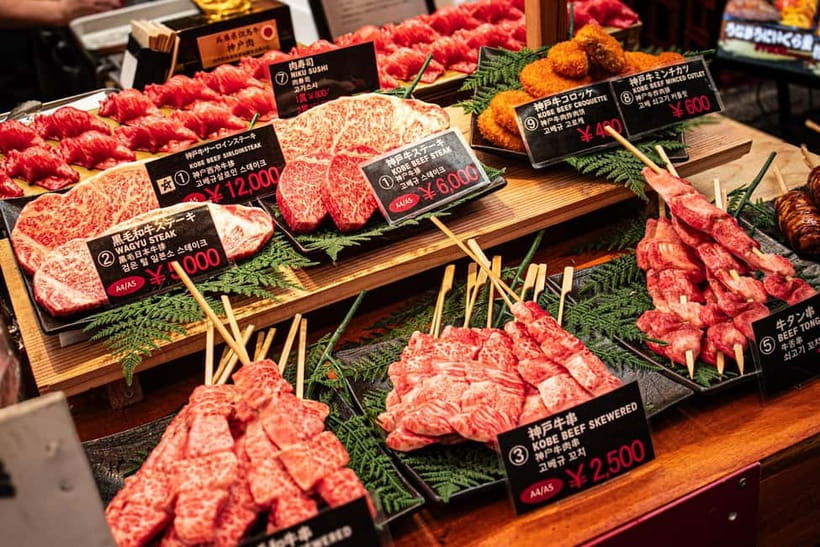
Kuromon Ichiba Market is often called Osaka’s Kitchen, and this tour uses it as more than a line of food stalls. Your guide explains how local markets fit into Osaka’s food culture and points out the dishes worth your attention.
That matters because a market can feel confusing at first. You may see seafood, skewers, prepared snacks, produce, and sweets packed into a narrow route, with no obvious way to decide what deserves your money. A guide gives you a starting point and helps turn random browsing into a meal with some shape.
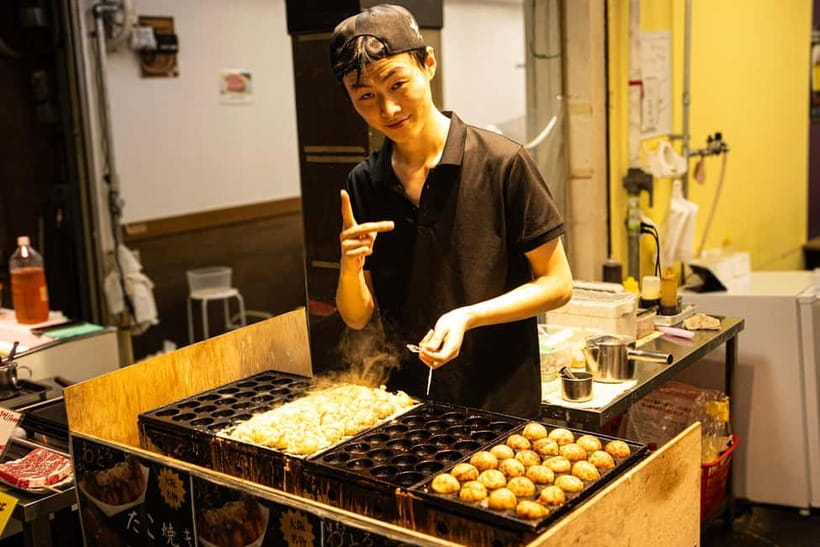
The food portion includes four to five selected samples. Examples include grilled scallops, yakitori skewers, and takoyaki. These give you a useful introduction to several sides of Osaka cooking: seafood, grilled meat, and the city’s famous hot batter snack.
The exact food choices can depend on availability and your group’s needs, so you should not treat the examples as a fixed menu. That flexibility is useful in a market, where stalls and stock can change. It also lets the guide adjust the experience around your preferences.
You should arrive ready to eat, but not stuffed. The samples are the main reason to join, and you’ll want enough room to try them without turning the first stop into a rushed breakfast or lunch.
More Street Food Market Tours in Japan
- Tsukiji Fish Market: Street Food & Culture Walking Tour
★ 5.0 · 669 reviews - Tokyo Food Tour Taste Fresh Delights at Tsukiji Market
★ 5.0 · 429 reviews - Tsukiji Fish Market: Street Food & Culture Walking Tour
★ 4.8 · 259 reviews
What the market walk is really like
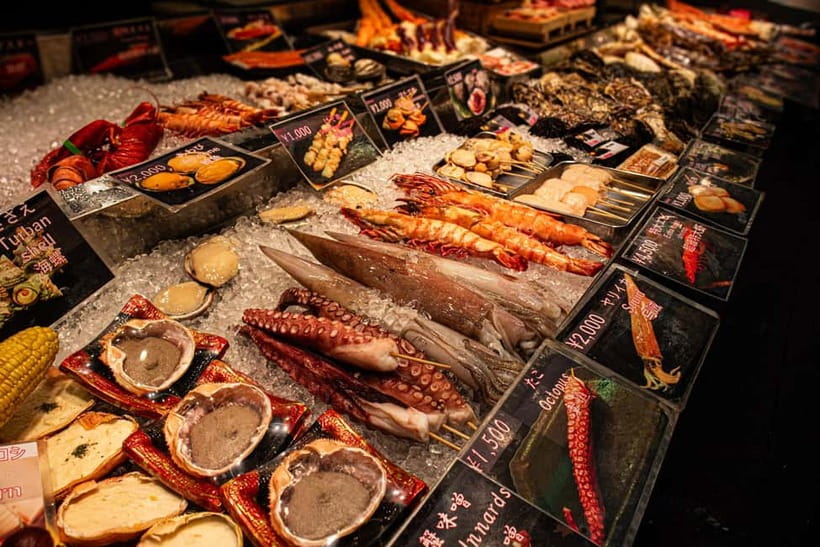
This is a walking tour rather than a sit-down food tasting. You’ll move through Kuromon Market with the guide, stopping for selected bites and hearing about the food traditions behind them.
The small group makes a real difference here. A group of up to 10 people is still large enough to have conversation, but small enough for the guide to notice if you want more explanation or need a slower pace. It also avoids the feel of being pushed through the market in a large crowd.
The guides are described as professional Japanese guides with training in Japanese culture, history, and etiquette. That gives the tour a wider purpose. You are not just learning what to eat. You are also learning how to approach a market, how local food customs work, and which questions are useful to ask.
Goku is one of the named guides connected with the experience. He received especially warm praise for food suggestions and for getting along well with the people in his group. Yuna is another guide, a long-time Osaka resident who knows many of the market traders personally. Her tour was adjusted around the group’s likes, dislikes, and interests.
Those details are useful when deciding what type of experience this is. It is not a rigid script where every person receives the same explanation in the same order. The guide can shape the conversation around what catches your eye.
Still, you should keep your expectations sensible. Two hours is enough for an introduction, not a full study of Osaka cuisine. You will sample a handful of dishes and see several nearby areas, but you will not cover every market stall or eat a complete meal.
Grilled scallops, yakitori, and takoyaki
The sample foods are chosen to show variety. Grilled scallops bring seafood into the picture, while yakitori offers a simple example of skewered food cooked over heat. Takoyaki is the most recognizable Osaka specialty on the list, a round batter snack associated closely with the city.
A guided tasting helps you pay attention to more than flavor. You can ask what you are eating, how it is prepared, and why it belongs in Osaka’s food story. That kind of context can make a small sample more memorable than buying the same item without any explanation.
I also like that the tour does not claim to include every meal. The included tastings give you a base, and the market leaves you free to spend more if something else catches your attention. That is better for many people than paying for a large fixed menu filled with dishes they may not want.
The tradeoff is cost control. Additional food and drinks are not included, so $51 is not an all-you-can-eat price. If you know you like to graze through markets, set aside extra cash before you arrive.
Cash is specifically recommended. You should bring it for optional purchases, drinks, and any food beyond the included samples. A camera is also suggested, and comfortable shoes matter because the experience combines eating with a walking route through several areas.
Sennichimae Doguyasuji Shotengai, Osaka’s kitchenware street
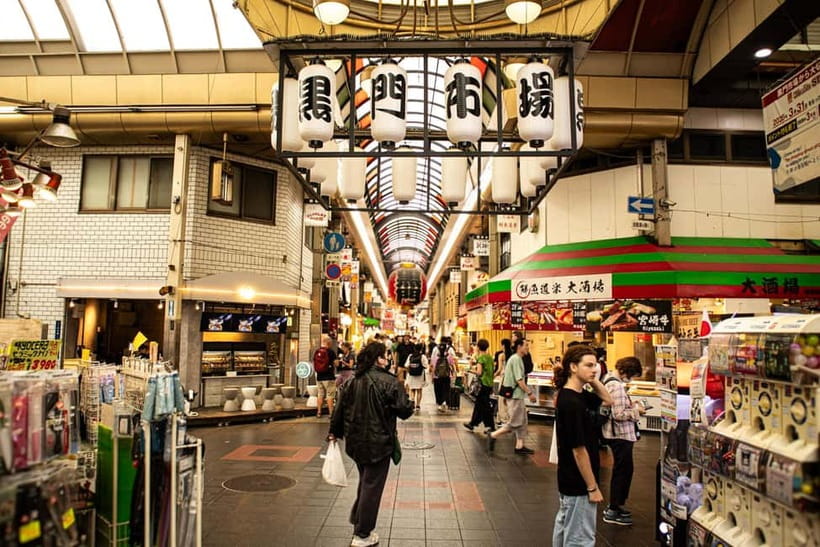
After or alongside the market visit, the route includes Sennichimae Doguyasuji Shotengai. This is a good change of pace from food tasting because the focus shifts from eating to the tools behind Japanese cooking.
You can expect to see Japanese kitchenware and cooking-related goods. The guide can help explain what makes these items useful and can offer advice on souvenirs. That is more practical than simply walking past shop windows and guessing which objects are decorative, traditional, or genuinely useful.
For food lovers, this may be the most distinctive part of the route. Kuromon Market shows you the ingredients and prepared foods. Doguyasuji gives you a look at the knives, utensils, and other equipment connected with the cooking process.
You may also find this stop less exciting if you only want to eat. It is worth knowing that the tour is not a nonstop tasting crawl. The route mixes food with Osaka’s commercial and cultural side, so the experience suits people who want a broader introduction to the neighborhood.
If you plan to buy something, ask your guide for advice before committing. The tour specifically highlights souvenir tips, and a local perspective can help you choose something more useful than a random item picked up in a hurry.
Same stalls, a different way to shop and eat:
- Tokyo Tsukiji Fish Market Food and Culture Walking Tour
★ 5.0 · 3,184 reviews - Tokyo: Tsukiji Fish Market Food and Walking tour
★ 5.0 · 1,724 reviews - Tokyo: Tsukiji Fish Market Guided Walking Tour
★ 4.9 · 1,397 reviews - Nishiki Market Brunch Walking Tour (7 Tastings + Brunch)
★ 5.0 · 1,355 reviews
Hozenji Yokocho and the quieter side of the route
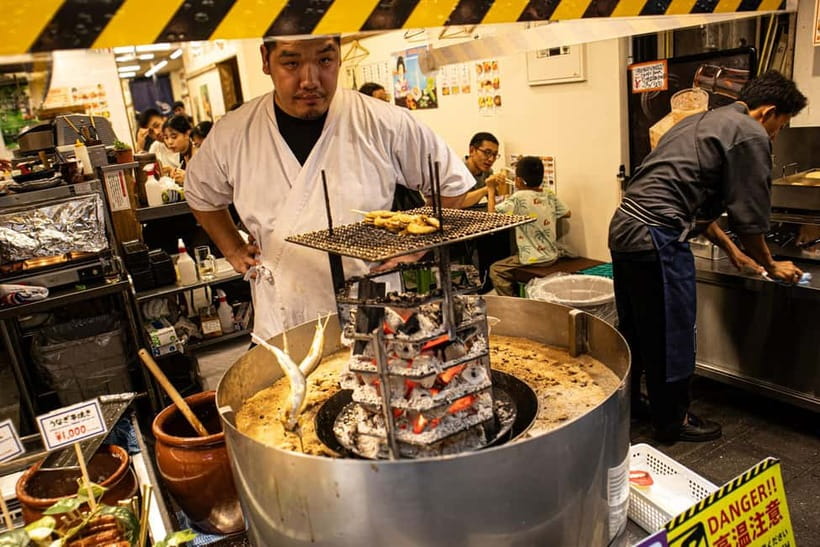
Hozenji Yokocho adds a different mood. This traditional alleyway gives the tour a break from the market’s food stalls and puts you in a more atmospheric part of Osaka.
The supplied details do not promise a long historical lecture or a particular attraction inside the alley. What you can count on is a visit to a traditional lane and an explanation of local culture and history from the guide.
That stop helps you understand why the tour is more than a market snack outing. Osaka’s food culture is tied to streets, small businesses, social customs, and older neighborhoods. A short walk through Hozenji Yokocho gives the guide room to explain that wider setting.
The route also keeps the tour from feeling repetitive. Four or five food samples in two hours could become a narrow experience. Adding a kitchenware street and a traditional alley gives your senses and attention a chance to shift.
A guide who adjusts to your interests
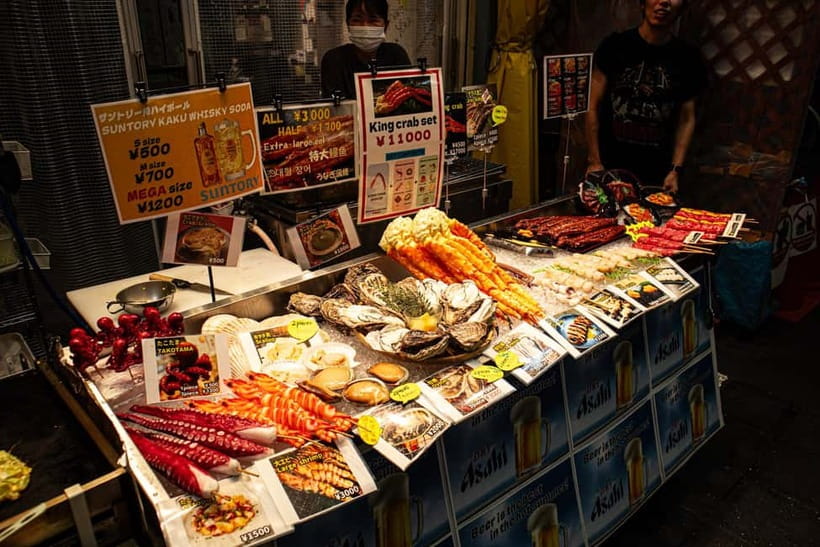
The strongest part of this experience is the guide’s role. Goku and Yuna are specifically associated with the tour, and both are presented as people who add more than basic directions.
With Goku, you can expect food recommendations and a friendly, personal approach. With Yuna, you can expect local knowledge shaped by years of living in Osaka and familiarity with market traders. The experience can also be offered with guides speaking English, French, Spanish, Russian, or Japanese, though the usual language is English and other languages should be requested.
That language detail matters. If you need a guide in French, Spanish, or Russian, confirm availability before booking rather than assuming it will be offered at every departure.
The group format also helps the guide respond to different cultural backgrounds. The tour description says the guide can support dietary requests and adjust the experience to group preferences. That is a useful promise, but it has a clear limit: people with food allergies should not book this activity.
A dietary preference and a food allergy are not the same thing. If you avoid certain foods by choice, discuss it in advance. If accidental contact could cause a serious reaction, this is not the right tour for you.
Is $51 a fair price for two hours?
At $51 per person, this is not the cheapest way to wander through Kuromon Market. You could walk through the area on your own and buy individual snacks as you go.
The price makes more sense if you value the guide’s help. You are paying for two hours of local interpretation, four or five selected samples, and a route that includes three different parts of Osaka: Kuromon Market, Sennichimae Doguyasuji Shotengai, and Hozenji Yokocho.
I see the value in the combination. A self-guided visit may give you more freedom, but you would need to choose the food yourself, understand what you are seeing, and find the other areas on your own. This tour gives you a practical introduction early in your Osaka stay, then leaves you better prepared to return on your own.
The value is strongest for first-time visitors, food-focused travelers, and anyone who wants personal recommendations. It is weaker for independent eaters who already know Kuromon Market well or who dislike guided pacing.
Remember that extra food, drinks, transport, and personal purchases cost more. Transportation to and from the meeting point is not included, so budget for getting there and back.
Timing, meeting points, and practical preparation
The activity lasts two hours. Starting times depend on availability, so check the schedule that appears for your chosen date.
The meeting point may vary by booking option. The listed locations include Picasso Nihonichi Building and an SMBC ATM. Read the confirmation carefully and do not rely on memory if several meeting options are shown.
The listed drop-off options are the same two locations: Picasso Nihonichi Building and the SMBC ATM. Since transportation is not included, plan your route to the meeting point before the tour day.
I would wear shoes you can comfortably walk in and bring a camera if market scenes are important to you. Cash is the most useful extra item because you may want to buy food or souvenirs beyond what is included.
The tour offers free cancellation up to 24 hours before the start for a full refund. You can also reserve and pay later, which helps if your Osaka plans are still shifting.
Who will enjoy this Osaka food walk most?
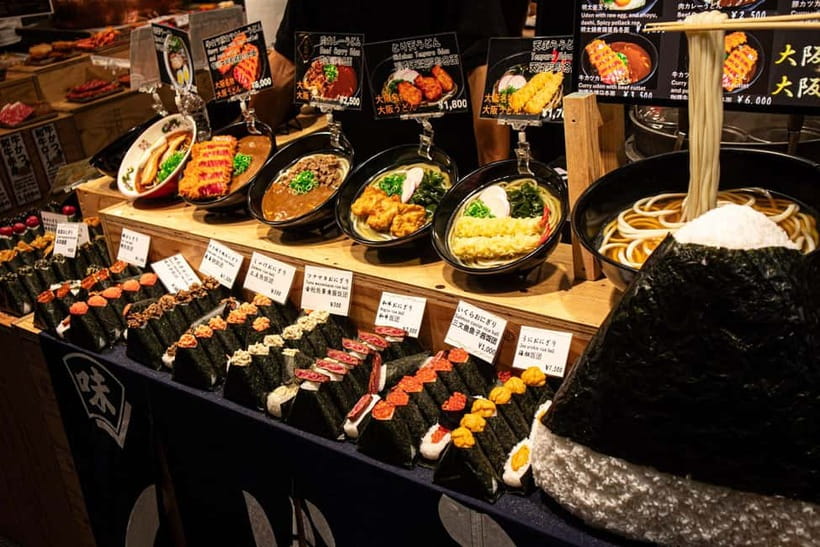
This tour suits you if you want a friendly introduction to Osaka food without planning every stop yourself. It is especially useful during your first days in the city, when a local guide can point you toward dishes and neighborhoods you might otherwise miss.
It also fits couples and small groups who prefer conversation over a large organized outing. The 10-person limit gives you a reasonable chance to ask questions and explain your own interests.
Food-focused visitors will appreciate the mix of tasting and shopping culture. The route does not stop at famous dishes. It also shows you the tools used in Japanese kitchens and a traditional alleyway tied to Osaka’s older streetscape.
You may want a different plan if you want a long, sit-down meal, unlimited food, or a very specialized culinary class. You should also skip it if you have food allergies, since the activity is not considered suitable for you.
Should you book the Kuromon Market food tour?
I would book this tour if you want more than a quick pass through Kuromon Market. The four or five samples provide a clear taste of Osaka, while Doguyasuji and Hozenji Yokocho give the outing more local texture.
The best reason to choose it is the guide interaction. Goku’s food advice and Yuna’s connection to Osaka and its traders suggest a personal style, not a simple walk from stall to stall.
Book it early in your Osaka visit if you want food recommendations for the rest of your stay. Skip it if you prefer complete independence, need strict allergy control, or expect the $51 price to cover every snack and drink. For a small group, two-hour introduction to Osaka’s food streets and neighborhood culture, it offers solid value.
FAQ
How long does the Kuromon Market tour last?
The tour lasts two hours and includes a walking visit to Kuromon Market, along with stops at Sennichimae Doguyasuji Shotengai and Hozenji Yokocho.
How much does the tour cost?
The listed price is $51 per person. Additional food and drinks are not included.
What foods might I taste?
The included tasting features four to five local samples. Examples include grilled scallops, yakitori skewers, and takoyaki.
Is the tour available in languages other than English?
The tour is conducted in English. French, Spanish, Russian, and Japanese may also be available, with non-English languages available upon request.
Can dietary requests be accommodated?
Dietary requests can be accommodated, but the activity is not suitable for people with food allergies.
What should I bring?
Bring comfortable shoes, a camera, and cash. Transportation to and from the meeting point is not included.
More Food in Japan
- Osaka: Kuromon Market Food Walking Tour (6 stops, 6 tastes)
★ 4.6 · 272 reviews - Inside Tokyo’s Kitchen: Tsukiji Market, Food & Culture Tour
★ 5.0 · 162 reviews - Tsukiji Food and Toyosu Market with Government-Licensed Guide
★ 5.0 · 158 reviews - Toyosu Market Morning Tuna Auction and Tsukiji Food Tour with Licensed Guide
★ 4.5 · 146 reviews
More Food and Drink Tours in Japan
- Tokyo: Tsukiji Fish Market Food and Culture Walking Tour
★ 4.7 · 757 reviews - Tsukiji Fish Market Small-Group Food Walking Tour
★ 5.0 · 621 reviews - Kuromon Market Food Walking Tour in Osaka (6 stops, 6 tastes)
★ 5.0 · 550 reviews - Kyoto Nishiki Market Food and Culture Walking Tour
★ 5.0 · 412 reviews
Just added around Japan
- Nagoya Super Market Tour & Home Cooking Class with a Local, Akiko★ 5.0 · 10 reviews
- Tokyo: Private Tsukiji Street Food & Sake with Local Guide★ 5.0 · 3 reviews
- Tokyo: Tsukiji Market Guided Tour & Sushi-Making Experience★ 4.4 · 11 reviews
- Tokyo: Tsukiji Market and Hama-rikyu Gardens Guided Tour★ 4.8 · 73 reviews
- Tokyo : Tsukiji Fish Market Food Walking & Shrine Visit Tour★ 5.0 · 3 reviews
- Tokyo: Tsukiji Fish Market Culture Tour with Sashimi Tasting★ 4.6 · 54 reviews
- 【Family pack】Tokyo: Tsukiji fish market food tour★ 5.0 · 3 reviews
- Tokyo: Tsukiji Fish Market Foodie and Educational Tour★ 5.0 · 4 reviews
Street Food Market Tours, compared.

Old Town, Creek, Museums, Souks, & Street Food Tour
Read our review →
Old Town, Souks, Street Food, Guided Tour & Abra Ride
Read our review →
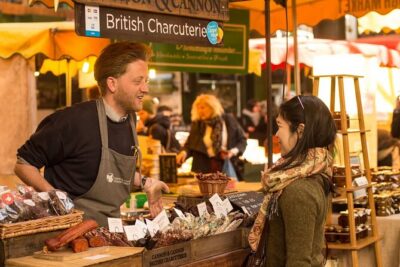
London Bridge & Borough Market Food Tour with 7 Authentic Dishes
Read our review →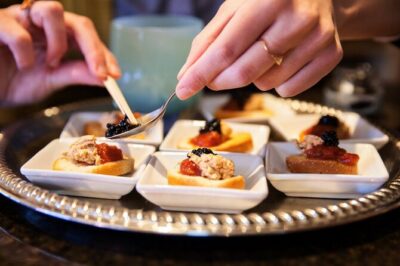
Old Town, Souks, Street Food, Guided Tour & Abra Ride
Read our review →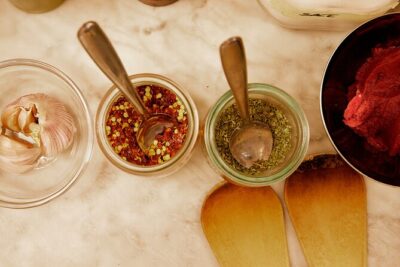
Small Group Cooking Class & Market Food Tour in Florence
Read our review →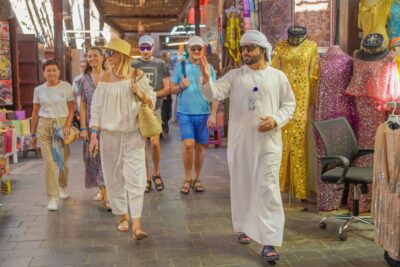
Old Town, Street Food, Creek, Souks, & Emirati House
Read our review →Browse the lists this tour appears in