
Review · TOKYO
Tokyo Tsukiji Fish Market Tour and Sushi Making Lesson
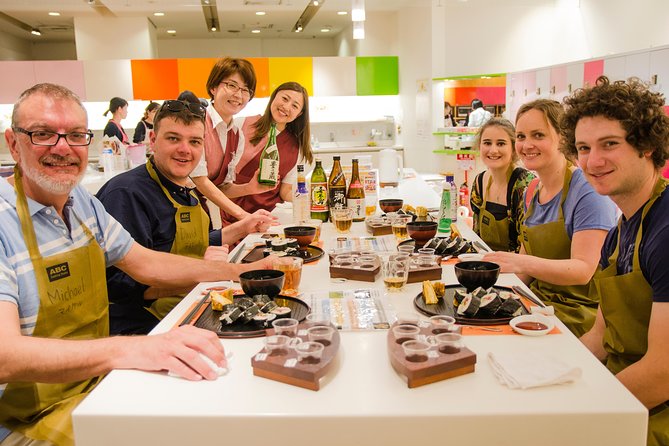
Tsukiji is best understood with someone who knows which stalls to visit and how to explain the unfamiliar foods. This three-hour experience pairs a guided walk through the Tsukiji Outer Market with a practical cooking lesson at ABC Cooking Studio, where you make sushi, tamagoyaki, miso soup, and other Japanese dishes.
I like the easy bridge between market and kitchen. You first see dried seafood, octopus, sea urchin, tuna, beans, mochi, and other ingredients in their selling place, then sit down to prepare a meal yourself. I also like the small maximum of six people, which gives you a better chance to ask questions and get help with rolling sushi or making the omelet.
The main drawback is value for experienced home cooks. The class is designed for beginners, and the market walk may feel brief if you want a full food tour or a serious lesson in sushi traditions. The ingredients used in class also may not be the same ones you see or sample at Tsukiji.
Key points to know before booking
- Market access with a guide: Visit the Outer Market with help identifying foods, finding samples, and handling the language gap.
- Three-hour food-focused outing: Allow time for Tsukiji, transport, and a cooking lesson, with the market portion sometimes lasting about 70 minutes.
- Beginner-friendly recipes: Prepare sushi rolls, nigiri, tamagoyaki, miso soup, and side dishes, depending on the seasonal menu.
- Small-group setting: The activity accepts up to six people and requires at least two participants to operate.
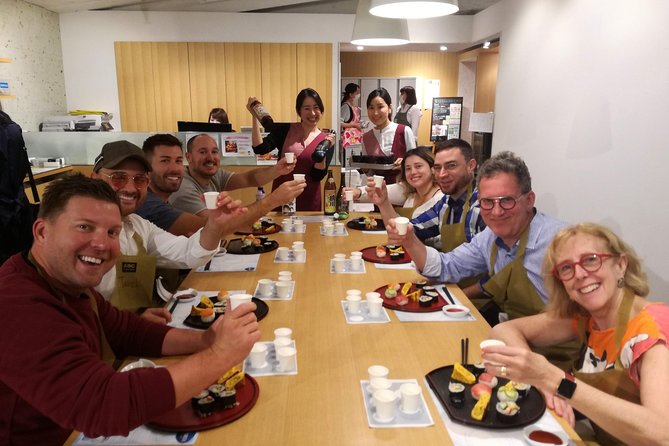
- A proper meal at the end: Eat what you make with water, soft drinks, wine, or plum sake.
- Important restrictions: Children must be at least 9 years old and 130 centimeters tall. Strollers and luggage are not allowed.
Tsukiji today: why the Outer Market still matters
Tokyo’s famous wholesale fish market moved to Toyosu, but Tsukiji’s Outer Market remains a useful place to see and taste Japanese food. Its narrow aisles hold seafood sellers, food counters, shops selling dried ingredients, kitchen goods, and small places offering samples.
This tour does not include the tuna auction. That is an important point if the auction is your main reason for visiting. Instead, you meet outside Tsukiji Hongwanji Temple and explore the public shopping area where you can see ingredients that ordinary cooks and restaurants use.
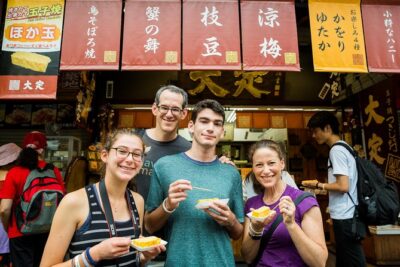
The market walk is not just a parade of seafood. You might see giant tuna, octopus, sea urchin, dried scallops, beans, and other products arranged for sale. Some participants have sampled tamagoyaki on a stick, red bean mochi with strawberries, dried seafood, and small savory snacks such as dried crab.
I like having a guide here because Tsukiji can be confusing even when you know where you are. A guide such as Akiko, Miho, Nobu, Lucy, or Yoko can point out stalls, explain what you are seeing, and help with simple communication. The exact guide depends on the date, but the repeated strength of this experience is the personal help in the market.
You still pay for any food you choose to buy unless the guide specifically provides a sample. The tour includes the guide and transportation to the cooking studio, but it does not promise a set tasting menu at Tsukiji.
More Fish Market Tours in Japan
- Tokyo Tsukiji Fish Market Food and Culture Walking Tour
★ 5.0 · 3,184 reviews - Tokyo: Tsukiji Fish Market Food and Walking tour
★ 5.0 · 1,724 reviews - Tokyo: Tsukiji Fish Market Guided Walking Tour
★ 4.9 · 1,397 reviews
A quick look at Tsukiji Hongwanji Temple
The meeting point is Tsukiji Hongwanji Temple, at 3-chome-15-1 Tsukiji. The temple is worth a few minutes before the market walk because its architecture is unusual for Tokyo.
The exterior has South Asian and Indian influences rather than the familiar look of a Japanese Buddhist temple. Inside, the design changes again. The stop is listed at about five minutes, so this is an introduction rather than a temple visit in its own right.
That short pause helps you find the guide and gives the morning a clear starting point. Arrive ready to walk, and do not bring a stroller or luggage because those are not permitted on the activity.
Walking the Outer Market with local help
The market portion lasts about an hour, although the operator says it may spend approximately 70 minutes in the Outer Market instead. That gives you enough time to see a range of stalls and stop for a few tastes, but it is not a long, open-ended food crawl.
This is where the tour earns much of its value. You can walk Tsukiji alone, but you may not know which foods are intended for tasting, which shops are worth your time, or what an unfamiliar ingredient is used for. A guide can make the market less of a visual puzzle.
The best approach is to eat a light breakfast. Several people have wished they had left more room for the samples. At the same time, do not expect unlimited food. The market is a working shopping area, not a fixed buffet, and your experience depends on what is available that day.
The pace appears flexible. Guides have allowed time for individual stops while keeping the group moving toward the cooking studio. Some outings have included a nearby shrine or a short walk through the Ginza area, but these additions should be treated as possible extras, not guaranteed stops.
From Tsukiji to ABC Cooking Studio
Transportation between the market and cooking studio is included. The transfer has been described as a short bus ride, and the cooking school is in a clean, modern studio associated with ABC Cooking Travel.
The move from old market lanes to a bright professional kitchen creates a useful contrast. You first encounter food through sellers, samples, and displays. Then you handle ingredients in a structured class.
The studio is part of ABC Cooking Studio, a large Japanese cooking school with many locations. You use an apron, and drinking water is provided. The class lasts about 90 minutes, though the full activity is approximately three hours once the meeting, market walk, and transfer are counted.
One practical note: the class does not necessarily use seafood purchased during your market walk. The ingredients may differ from the photographs and can change with the season, availability, and arrival of particular products. If you want to buy ingredients for your own meal, do that during the market portion rather than expecting the guide to shop for the class.
More Fish Market Tours in Tokyo
- Tokyo Sushi Making Class in Tsukiji with Professional Chef
★ 5.0 · 1,177 reviews - Tsukiji Fish Market Guided Tour and Sushi Making with Pro Chef
★ 5.0 · 775 reviews - Tokyo: Tsukiji Fish Market Food and Culture Walking Tour
★ 4.7 · 757 reviews - Tsukiji Fish Market: Street Food & Culture Walking Tour
★ 5.0 · 669 reviews
What you actually cook in the 90-minute lesson
The exact menu can change, but the central theme is washoku, or traditional Japanese home-style cooking. The dishes commonly include sushi, a Japanese rolled omelet called tamagoyaki, miso soup, and side dishes.
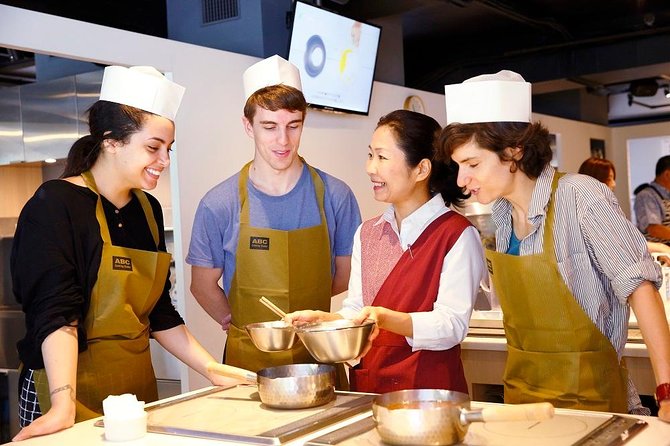
The sushi work may include rolled sushi and nigiri. You learn how to handle the rice and shape the food, rather than simply watching a chef prepare it. For a first sushi lesson, that hands-on work is the point. It gives you a method you can repeat at home instead of only giving you a meal to eat.
Tamagoyaki is another useful choice. The sweet-savory omelet is simple in theory but takes practice because you cook and roll thin layers. Several participants have enjoyed learning this dish and later wanted to buy a tamagoyaki pan for home use.
You may also prepare stock and miso soup. These dishes add context to the sushi plate and make the final meal feel more like a Japanese home-style lunch. The menu is not fixed, so you should not book this expecting every pictured item on the advertisement.
The instruction is intended for beginners. It should work well for a family with older children, a first cooking class, or anyone who has made little sushi at home. If you already make maki, nigiri, and tamagoyaki regularly, you may find the lesson too basic.
The guides and teachers make a real difference
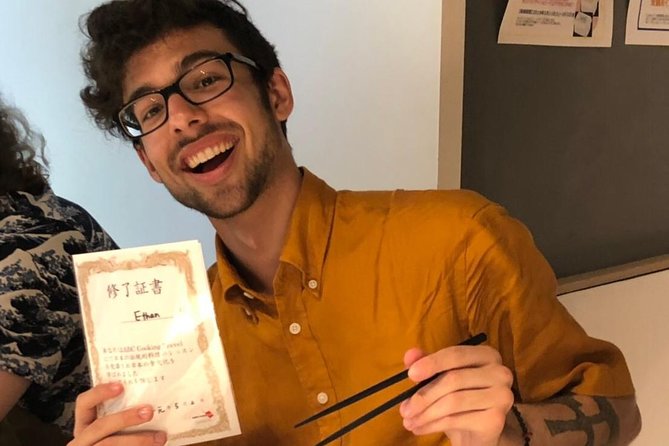
The market guide and cooking teacher are separate roles. That is useful because each person can focus on a different part of the morning.
Guides including Akiko, Lucy, Nobu, Yoko, Shitomi, and Miho have been praised for friendliness, patience, translation help, and practical knowledge of the market. English ability can vary by guide, so the experience may be stronger on one date than another. Most of the detailed praise centers on guides who explain foods clearly and know where to find worthwhile samples.
At the cooking studio, instructors such as Miwako, Miwa, Masayo, Hiromi, and Hiroko have been described as patient and organized. The class works best when the instructor demonstrates each step, then lets you try it.
There is a fair criticism to keep in mind. Some sessions have offered limited explanation of sushi customs and little broader discussion of Japanese food traditions. If your priority is cultural background rather than making lunch, ask yourself how much instruction you need.
Eating the food you prepare
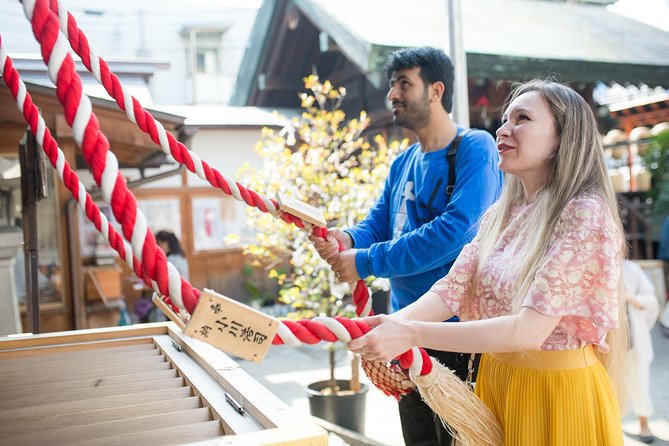
The class ends with lunch made by your own hands. That changes the feel of the meal. A slightly uneven sushi roll or imperfect omelet is part of the experience, and you get to see how the preparation affects the final plate.
Drinks include water at the studio, with a choice of wine, plum sake, or soft drinks listed for the meal. The drink selection adds a pleasant finish, but this is still a cooking class rather than a restaurant tasting.
Portion size is another value question. Some people have felt that they did not make enough food for the price. Others have enjoyed the meal and felt the practical lesson made the cost worthwhile. I would view the lunch as part of the class, not the main reason to book.
Is $99.49 a fair price?
At $99.49 per person, this is not the cheapest way to see Tsukiji or eat sushi in Tokyo. You can visit the Outer Market on your own, buy samples directly, and find a less expensive meal nearby.
The price makes more sense if you value the combination. You are paying for an English-speaking guide, a small group, transportation to the cooking studio, the apron, the ingredients used in class, instruction, and a meal with a drink. The maximum group size of six is especially useful for a hands-on lesson.
I would consider it good value for a first-time visitor who wants a tidy half-day activity with both sightseeing and cooking. I would be less convinced for an experienced sushi maker, someone mainly seeking premium seafood, or anyone who wants to choose every ingredient personally.
The experience has a 4.9 rating from 390 reviews and is recommended by 97 percent of participants. Those figures suggest a strong overall record, but the lower ratings point to the same limits: a basic class, a short market visit, and an expectation gap about buying market ingredients for the recipes.
Who should book this Tokyo food experience?
I would recommend it most to:
- Families with children aged 9 or older who meet the 130-centimeter height requirement
- First-time visitors who want help navigating Tsukiji
- Couples or small groups seeking a shared activity
- Home cooks who want simple recipes to repeat
- People who enjoy tasting unfamiliar snacks but prefer guidance
- Visitors who want a meal included rather than planning lunch afterward
I would choose another activity if you want the tuna auction, an advanced sushi course, a long market food crawl, or a lesson focused on traditional fish-cutting skills. Those are not part of this experience.
The group arrangement also matters. If two families or separate parties want to stay together, one person should make the booking for everyone, or contact the operator right away to ask about joining the reservations. Separate bookings are not automatically placed in the same group.
Timing, age rules, and cancellation details
The activity requires at least two participants to run and accepts a maximum of six. If the minimum is not met, the operator offers another date or experience, or a full refund.
You can cancel for a full refund up to 24 hours before the start time. Changes or cancellations inside that 24-hour window are not accepted and are not refunded. Poor weather may also cause cancellation, in which case you are offered a new date or a full refund.
The tour begins at Tsukiji Hongwanji Temple and finishes at a different location after the cooking lesson. Plan to keep your schedule open for the full three hours. Since strollers and luggage are not allowed, leave larger bags at your accommodation.
Should you book it?
Book this experience if you want guided Tsukiji access plus a beginner cooking class in one compact morning. The strongest parts are the market translation help, the small group, the chance to sample foods, and the practical work with sushi and tamagoyaki.
Skip it if you already know the basics of sushi making or if the tuna auction and premium seafood are your main goals. For everyone else, especially families and first-time visitors, $99.49 is a reasonable price for a well-organized introduction to Tokyo food culture, as long as you understand that the class is basic and the market ingredients may not become your lunch.
FAQ
Where does the tour begin?
It begins outside Tsukiji Hongwanji Temple at 3-chome-15-1 Tsukiji, Chuo City, Tokyo.
How long does the activity last?
The activity lasts approximately three hours, including the temple meeting point, Tsukiji Outer Market, transportation, and the cooking lesson.
Does the tour include the tuna auction?
No. Tuna auction viewing is not included.
How large is the group?
The activity has a maximum of six participants.
Is the tour offered in English?
Yes. An English-speaking guide leads the market portion, and the cooking lesson is taught with English instruction.
What foods will I make?
The menu commonly includes sushi rolls, nigiri, tamagoyaki, miso soup, and side dishes. Ingredients and dishes can change with the season and availability.
Is food included at Tsukiji?
The experience includes the food prepared during the cooking class and a drink with the meal. Any separate market purchases or samples are not specified as included.
What drinks are available with the meal?
You can choose from wine, plum sake, or soft drinks. Drinking water is also provided at the cooking studio.
Are children allowed to participate?
Children must be at least 9 years old and at least 130 centimeters tall.
Can I bring a stroller or luggage?
No. Strollers and luggage are not allowed on the activity.
What happens if the tour is canceled?
If poor weather or too few participants causes cancellation, you are offered another date or experience, or a full refund.
When can I cancel for a full refund?
You must cancel at least 24 hours before the local start time to receive a full refund. Changes made less than 24 hours before the start are not accepted.
More Shopping Tours in Tokyo
- Private Toyosu & Tsukiji Market Adventure with Tuna Auction
★ 4.8 · 191 reviews - Tokyo: Toyosu Tuna Auction &Tsukiji Market Gourmet Adventure
★ 4.8 · 187 reviews - Tokyo: Tsukiji Fish Market Tour with 6 Stops & Seafood Lunch
★ 4.5 · 165 reviews - Inside Tokyo’s Kitchen: Tsukiji Market, Food & Culture Tour
★ 5.0 · 162 reviews
More Markets in Tokyo
- Tsukiji Fish Market Small-Group Food Walking Tour
★ 5.0 · 621 reviews - Tokyo: Tsukiji Fish Market Sushi Making Class with Pro Chef
★ 4.9 · 506 reviews - Tokyo Food Tour Taste Fresh Delights at Tsukiji Market
★ 5.0 · 429 reviews - Tsukiji Fish Market: Street Food & Culture Walking Tour
★ 4.8 · 259 reviews
Just added around Tokyo
- Tokyo: Private Tsukiji Street Food & Sake with Local Guide★ 5.0 · 3 reviews
- Tokyo: Tsukiji Market Guided Tour & Sushi-Making Experience★ 4.4 · 11 reviews
- Tokyo: Tsukiji Market and Hama-rikyu Gardens Guided Tour★ 4.8 · 73 reviews
- Tokyo : Tsukiji Fish Market Food Walking & Shrine Visit Tour★ 5.0 · 3 reviews
- Tokyo: Tsukiji Fish Market Culture Tour with Sashimi Tasting★ 4.6 · 54 reviews
- Tokyo: Tsukiji Fish Market Foodie and Educational Tour★ 5.0 · 4 reviews
- Tokyo: Guided Walking Tour of Tsukiji Market with Lunch★ 4.4 · 24 reviews
- Tokyo’s Kitchen: Tsukiji Market Food & Culture Walk★ 4.7 · 74 reviews
Fish Market Tours, compared.
Tokyo Tsukiji Fish Market Food and Culture Walking Tour
Read our review →

Tokyo Sushi Making Class in Tsukiji with Professional Chef
Read our review →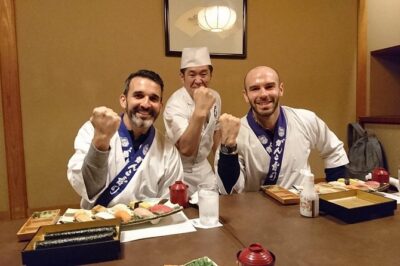
Tsukiji Fish Market Guided Tour and Sushi Making with Pro Chef
Read our review →Tsukiji Fish Market Food and Culture Walking Tour
Read our review →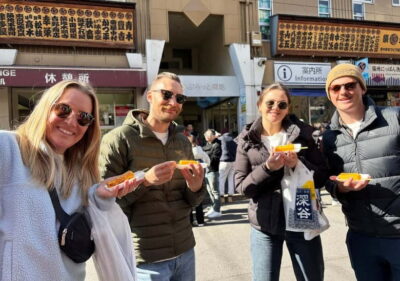
Tsukiji Fish Market: Street Food & Culture Walking Tour
Read our review →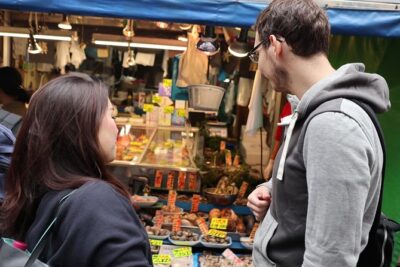
Tsukiji Fish Market Small-Group Food Walking Tour
Read our review →Browse the lists this tour appears in