
Review · JAPAN
Osaka: Wakayama Cat Train, Seafood market, Hot Springs Tour
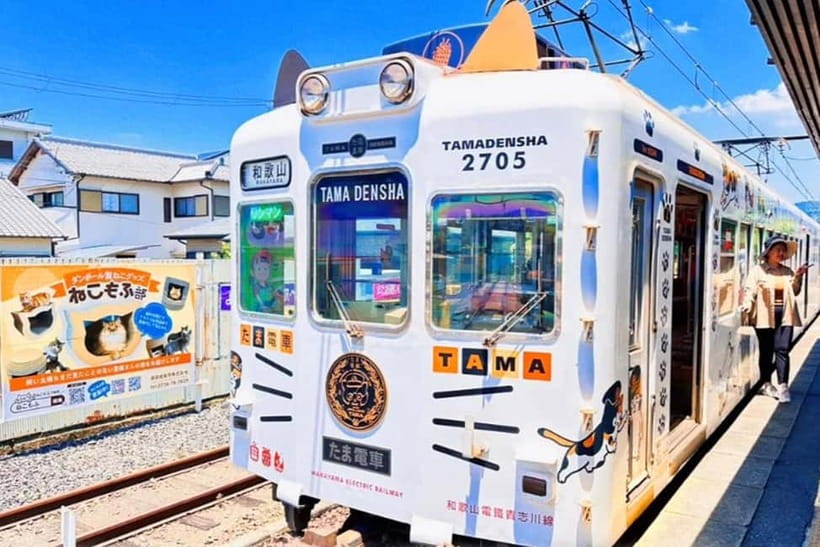
Wakayama’s cat train is the charming hook, but the real appeal is the full change of scene: in one day, you go from Osaka streets to a rural station, a huge seafood market, and the Pacific coast. At Kishi Station, you’ll learn how Tama the calico cat became stationmaster and helped save a small railway line from closure.
I especially like the fresh seafood stop, where you can watch a tuna cutting show and choose your own lunch. I also like the coastal finish at Senjojiki and Sandanbeki, where broad rock shelves and sea caves give the day some real drama. The catch is the long road time. Expect about 10 hours overall, with roughly four hours on the bus, and the cat-train portion itself may be brief.
Key points to know before booking
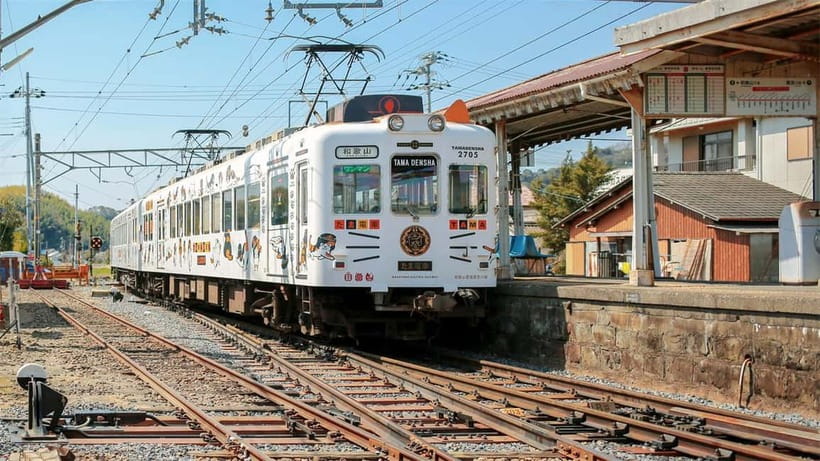
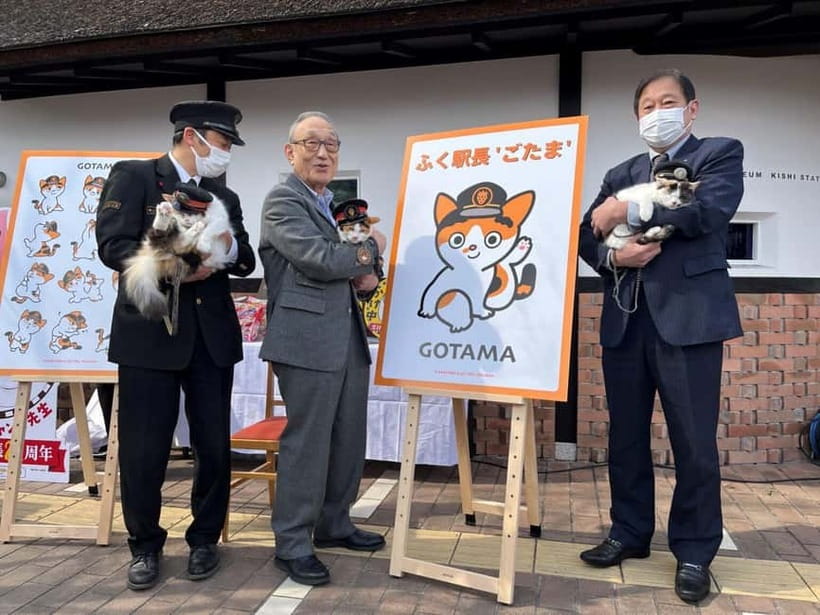
- Tama’s legacy: Meet Nitama, the successor to the famous calico stationmaster, at cat-faced Kishi Station.
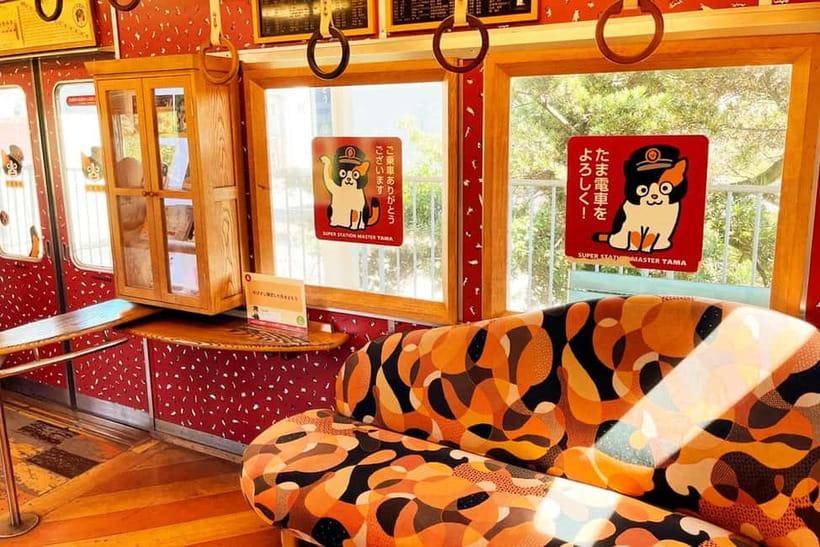
- Three possible trains: The Tama Train, Strawberry Train, or Toy Train operates according to the day’s schedule.
- A serious seafood stop: ToreTore Ichiba offers a tuna cutting show, sashimi, grilled seafood, local products, and barbecue options.
- Optional hot spring visit: Toretore Onsen has more than 1,300 years of history, but entry costs extra and tattoos may limit access.
- Pacific coast finale: Senjojiki’s rock plateau and Sandanbeki Cave offer two very different views of Shirahama’s shore.
- Best guide tip: Guide Tiger has earned especially strong praise for clear communication, market help, and careful organization.
From Nipponbashi to Wakayama’s cat station
Meet at 8:30 a.m. near Nipponbashi Station Exit 2, at 1-chōme-3-6 Nipponbashi. This is in the Namba and Shinsaibashi area, so give yourself extra time to find the correct exit. Several groups may gather nearby, and late arrivals are not refunded. I would arrive at least 15 minutes early, as requested.
The ride south takes about 1.5 hours by air-conditioned coach. The vehicle size depends on the group, and the bus includes fuel, parking, and expressway costs in the tour price. That matters here because Wakayama’s coastal sights are spread out. Independent visitors can reach them, but not as neatly in one day.
The driving is also the main compromise. On weekends, public holidays, and busy travel periods, traffic can force the guide to shorten a stop or change the order. You should think of this as a broad sampler of Wakayama, not a slow countryside tour.
More Fish Market Tours in Japan
- Tokyo Tsukiji Fish Market Food and Culture Walking Tour
★ 5.0 · 3,184 reviews - Tokyo: Tsukiji Fish Market Food and Walking tour
★ 5.0 · 1,724 reviews - Tokyo: Tsukiji Fish Market Guided Walking Tour
★ 4.9 · 1,397 reviews
Kishi Station and the story of Tama
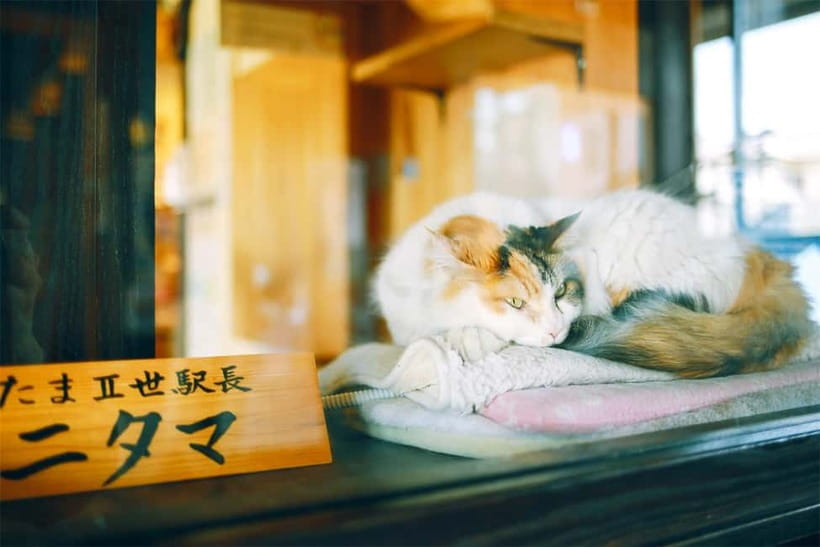
Kishi Station is designed to make you smile before you even know the story. Its building has cat-like features, and the station is tied to Tama, a calico cat who became famous for greeting passengers as an honorary stationmaster.
The story has a practical side. The local railway line was once at risk of closing. Tama’s presence drew attention, visitors, and renewed interest to the station and the surrounding area. Her successor, Nitama, carries on the role today. You’ll have time to see the station, visit the Tama Shop, look for cat stamps, and browse small souvenirs.
This stop works best if you enjoy the human scale of local Japanese railways. It is not a large attraction with hours of exhibits. It is a small station with a memorable story, a playful design, and a chance to see how a community used local character to keep a railway in the public eye.
The train design changes by date. You may board the Tama Train, Strawberry Train, or Toy Train. Each has its own theme, but you should not book this outing expecting a guaranteed design. The cat-themed portion is listed as about 15 minutes, while the broader rail schedule includes a longer panoramic train segment. In plain terms, the railway ride is a pleasant part of the day, but it is not a full-day rail journey.
I recommend taking a quick look inside the station shop before boarding. Cat stamps and limited souvenirs are more meaningful here than generic merchandise elsewhere, especially if you have a railway fan or cat lover in your family.
ToreTore Ichiba: tuna, lunch, and local shopping
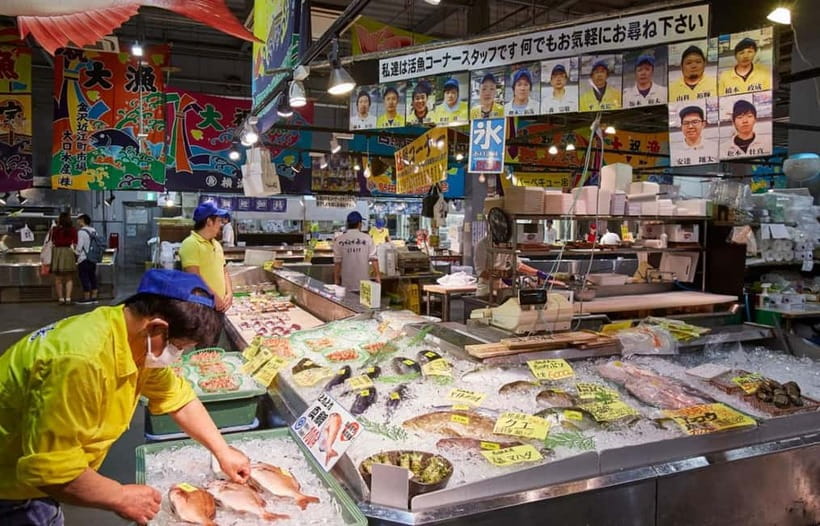
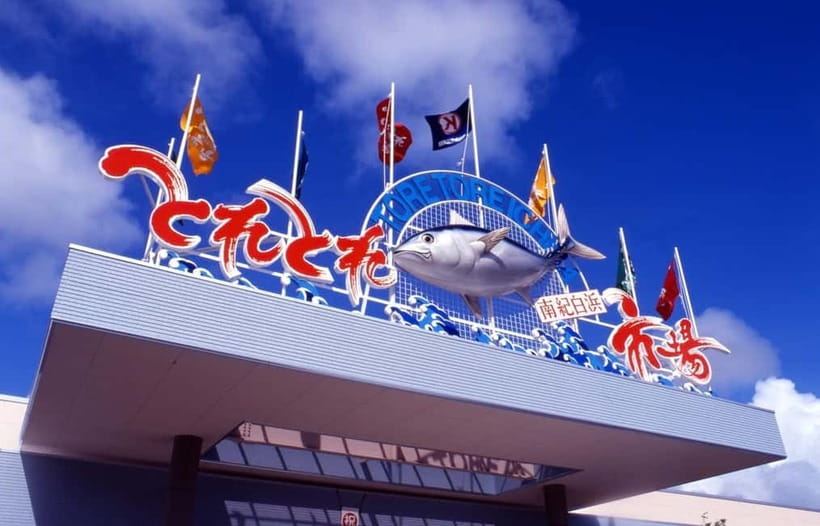
The tour then heads toward ToreTore Ichiba, described as the largest seafood market in western Japan. You get about two hours for the market, which is enough time to watch the tuna show, eat, and browse without having to rush through all three.
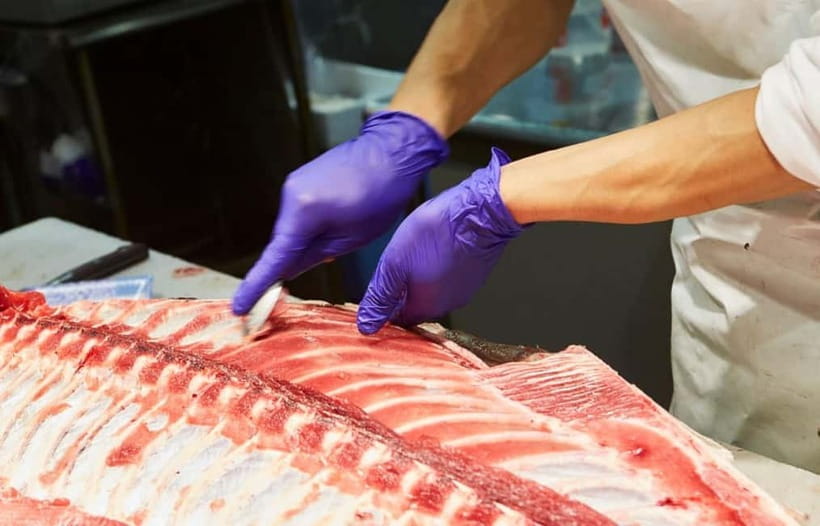
The tuna cutting demonstration is one of the day’s strongest moments. A large tuna is broken down with fast, precise cuts while the staff explains the fish’s anatomy. Show times vary, usually two or three times a day, so the guide cannot promise an exact time. Weather or other special circumstances can also cancel it.
If the cutting show is important to you, keep your schedule flexible and listen closely when the guide gives timing instructions. Do not wander too far into the market just before the expected show. The event is part demonstration and part lesson, and it gives you a better sense of how the fish on your lunch plate reaches the counter.
Lunch is not included, which is a benefit for some people and a drawback for others. You choose what fits your appetite and budget. Options include tuna sashimi bowls, grilled seafood, octopus rice, and other fresh dishes. Some departures have also used barbecue tables, allowing you to buy seafood and cook it yourself.
This is a good place to spend extra money, but you do not need to. A simple bowl can be enough, while larger seafood meals and gifts can quickly increase the cost. Bring cash, as requested, for food, shopping, and optional admissions.
The market also has seasoned seafood, packaged foods, and local gifts. I would save room in your bag for something durable and easy to carry. Fresh seafood may not be practical if you still have a long day ahead and a bus ride back to Osaka.
The hot springs of Shirahama
After the market, the outing turns toward Shirahama, one of Japan’s old hot-spring resort areas. Toretore Onsen is optional, so you can decide if a bath fits your plans and budget.
The springs are said to have more than 1,300 years of history and are connected with old Japanese records and visits by emperors. The facility includes sodium bicarbonate spring water and a salt-stone bedrock bath. Those details give the stop more weight than a quick modern spa visit, though your actual time in the water depends on the day’s schedule.
You should bring whatever you need for a bath, but the supplied instructions specifically emphasize comfortable shoes, a camera, and cash. Most important, check the tattoo rule before booking. Entry may be restricted if you have tattoos, and the tour provider does not promise access.
The onsen is not included in the $83 price, so add the admission fee to your budget if you plan to enter. If you skip it, the day continues to the coastal viewpoints. This flexibility is useful for people who prefer sightseeing, have limited time, or do not want to manage a public bath.
Same stalls, a different way to shop and eat:
- Nishiki Market Brunch Walking Tour (7 Tastings + Brunch)
★ 5.0 · 1,355 reviews - Tokyo Sushi Making Class in Tsukiji with Professional Chef
★ 5.0 · 1,177 reviews - Tsukiji Fish Market Guided Tour and Sushi Making with Pro Chef
★ 5.0 · 775 reviews - Tokyo: Tsukiji Fish Market Food and Culture Walking Tour
★ 4.7 · 757 reviews
Senjojiki’s broad Pacific views
Senjojiki means a thousand tatami mats, a name inspired by the broad layers of rock spread along the shore. From the plateau, you face the Pacific across huge slabs shaped by the sea.
You get about 30 minutes here. That is enough for photographs and a walk across the rock, but not enough for a long coastal wander. Wear shoes with a good grip. The surface is uneven, and the ocean-facing rock can be exposed to wind.
The light may be especially good late in the day. If traffic and the schedule line up, sunset can add color to the rocks and water. It is not guaranteed, so treat it as a bonus rather than the main reason to book.
Senjojiki gives you a useful contrast with Kishi Station. The morning is small, quiet, and playful. This stop feels open and powerful, with the sound and reach of the Pacific doing most of the work.
Sandanbeki Cave and the pirate stories
Sandanbeki is another short stop, but it offers a different kind of scenery. An elevator takes you 36 meters down to caves at sea level. The area is linked with Heian-era pirates, and displays help explain the old stories.
Natural erosion has shaped the cave walls and passages. You can see how the sea has worked into the rock over time, while the exhibits add a human story to the setting. The elevator makes the cave accessible to people who would not want to climb down a long path, but the site is still not suitable for wheelchair users as a tour activity overall.
Admission is optional and not included. If you want to go inside, keep cash ready and listen for the guide’s meeting time. If you skip the cave, you can use the time around the viewpoint, but you will miss the most distinctive part of the Sandanbeki stop.
The two coastal visits are well paired. Senjojiki is about open sky and layered rock. Sandanbeki takes you below the cliff into a confined, story-filled space. Together, they give you a better sense of Shirahama than either stop alone.
Is $83 a fair price for the day?
At $83 per person, this tour offers solid value if you want many Wakayama highlights without planning several train and bus connections yourself. The price includes round-trip transportation, the cat-themed train, a multilingual guide, driver, fuel, tolls, and parking.
You still pay for lunch, the hot spring, Sandanbeki Cave, and personal purchases. Those extra costs are easy to control, since both major paid stops are optional. Your main included attractions are Kishi Station, the cat train, ToreTore Market, and the coastal viewpoints.
The value depends on your priorities. If you want a relaxed day with long meals and plenty of time at each sight, this schedule will feel busy. If you want a practical introduction to several far-flung places, the coach saves you work and makes the price reasonable.
Guide quality can also shape the day. Tiger has received especially strong praise for sending updates through WhatsApp, explaining each stop in English and Chinese, keeping track of the group, and offering useful market advice. The advertised guide languages are English, Japanese, and Chinese, but a particular guide is not guaranteed, so consider that praise a helpful indication rather than a promise.
The comfortable coach matters on the return trip. After the market and two coastal stops, you may be ready to sit back. Arrival in Osaka is estimated at 6:40 p.m., but traffic can change that, so do not book a tight evening reservation.
What to bring and how to prepare
Wear comfortable shoes. You will walk around the station, market, rock plateau, and cave area, and Senjojiki is not a place for delicate footwear.
Bring cash for food, souvenirs, and optional admissions. A camera is useful at the cat station and the coast, though the market may be the most rewarding place for food photography.
Food is not allowed inside the vehicle. Eat at the market rather than trying to save leftovers for the ride. You should also wait for the evening-before email, which provides the guide, driver, vehicle, and meeting-point details.
The tour is not suitable for wheelchair users. Anyone who has mobility concerns should also consider the uneven rock at Senjojiki, the walking between stops, and the cave visit. The activity can suit families, couples, solo visitors, and cat fans, but it is best for people comfortable with a full, moving schedule.
Who should book this Wakayama day trip?
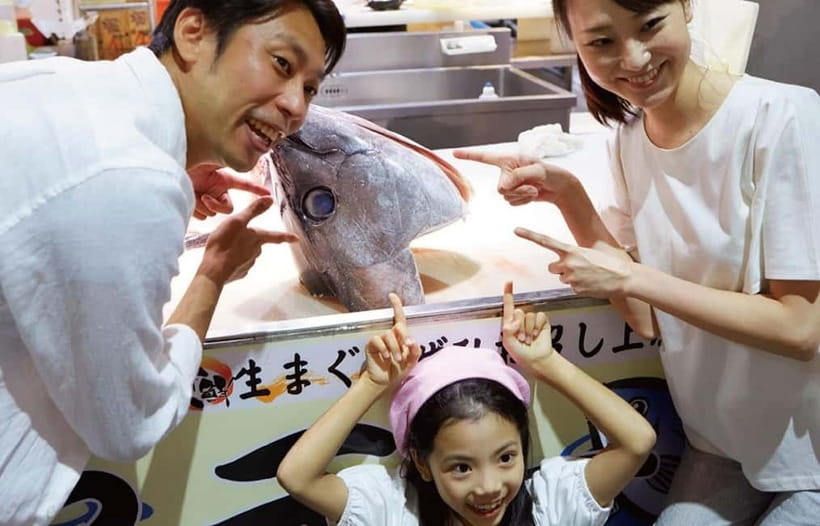
I would book this tour if you are staying in Osaka and want to see a different side of Honshu without arranging several separate transport legs. It gives you a memorable local railway story, a strong seafood stop, and two coastal sights in one day.
It is particularly good for first-time visitors, food lovers, railway fans, and anyone who enjoys mixing small cultural stops with outdoor scenery. The cat train is cute, but the market and Pacific cliffs give the day enough variety for people who are not cat enthusiasts.
I would hesitate if you dislike long bus rides, need guaranteed timing, or want a quiet hot-spring day. The tuna show may be canceled, the train design is not fixed, and traffic can shorten visits. Still, at $83, with transport and the cat-train fare included, this is a practical way to sample Wakayama. Book it for variety and convenience, not for a slow, deeply focused visit to one place.
FAQ
Where does the tour depart from?
The meeting point is near Nipponbashi Station Exit 2, at 1-chōme-3-6 Nipponbashi in Osaka’s Chuo Ward. Departure is at 8:30 a.m., and you should arrive at least 15 minutes early.
How long is the tour?
The full activity lasts about 10 hours. The estimated return to Osaka is 6:40 p.m., though traffic and changing conditions can affect the schedule.
Which cat-themed train will I ride?
The train depends on the day’s service. It may be the Tama Train, Strawberry Train, or Toy Train. The cat-themed train portion takes about 15 minutes.
Is lunch included?
No. Lunch is at your own expense at ToreTore Market, where you can buy seafood dishes such as tuna sashimi bowls, grilled seafood, and octopus rice.
Is the hot spring included?
No. The hot spring visit is optional and admission costs extra. If you have tattoos, entry may be restricted.
What happens if the tuna cutting show is canceled?
The show normally takes place two or three times daily, but timing varies. Weather or other special circumstances may cancel it, so it cannot be guaranteed.
More Shopping Tours in Japan
- Tokyo Food Tour Taste Fresh Delights at Tsukiji Market
★ 5.0 · 429 reviews - Kyoto Nishiki Market Food and Culture Walking Tour
★ 5.0 · 412 reviews - Tokyo Tsukiji Fish Market Tour and Sushi Making Lesson
★ 5.0 · 390 reviews - Kyoto: Nishiki Market Tea Ceremony with Koto Performance
★ 4.8 · 294 reviews
More Markets in Japan
- Tsukiji Fish Market: Street Food & Culture Walking Tour
★ 5.0 · 669 reviews - Tsukiji Fish Market Small-Group Food Walking Tour
★ 5.0 · 621 reviews - Kuromon Market Food Walking Tour in Osaka (6 stops, 6 tastes)
★ 5.0 · 550 reviews - Tokyo: Tsukiji Fish Market Sushi Making Class with Pro Chef
★ 4.9 · 506 reviews
Just added around Japan
- Nagoya Super Market Tour & Home Cooking Class with a Local, Akiko★ 5.0 · 10 reviews
- Tokyo: Private Tsukiji Street Food & Sake with Local Guide★ 5.0 · 3 reviews
- Tokyo: Tsukiji Market Guided Tour & Sushi-Making Experience★ 4.4 · 11 reviews
- Tokyo: Tsukiji Market and Hama-rikyu Gardens Guided Tour★ 4.8 · 73 reviews
- Tokyo : Tsukiji Fish Market Food Walking & Shrine Visit Tour★ 5.0 · 3 reviews
- Tokyo: Tsukiji Fish Market Culture Tour with Sashimi Tasting★ 4.6 · 54 reviews
- 【Family pack】Tokyo: Tsukiji fish market food tour★ 5.0 · 3 reviews
- Tokyo: Tsukiji Fish Market Foodie and Educational Tour★ 5.0 · 4 reviews
Fish Market Tours, compared.
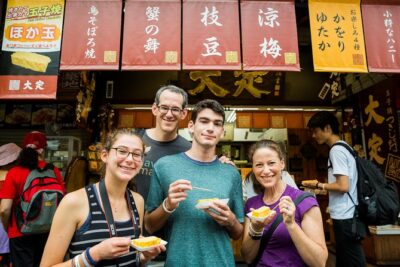
Tokyo Tsukiji Fish Market Food and Culture Walking Tour
Read our review →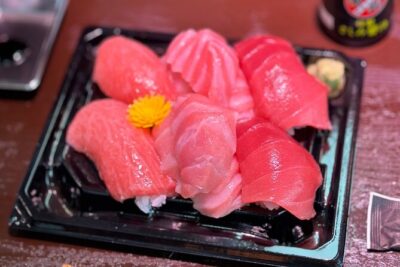
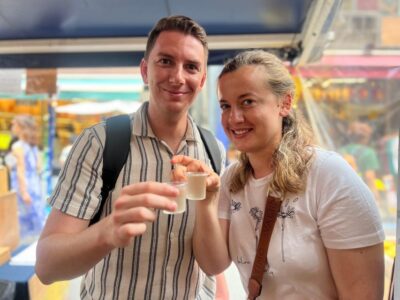

Tokyo Sushi Making Class in Tsukiji with Professional Chef
Read our review →
Tsukiji Fish Market Guided Tour and Sushi Making with Pro Chef
Read our review →Tsukiji Fish Market Food and Culture Walking Tour
Read our review →
Tsukiji Fish Market: Street Food & Culture Walking Tour
Read our review →
Tsukiji Fish Market Small-Group Food Walking Tour
Read our review →Browse the lists this tour appears in