
Review · TOKYO
Tokyo Morning Tour: Meiji Shrine, Asakusa & Fish Market
Tokyo is at its most appealing early in the day, when this tour moves from the quiet paths of Meiji Shrine to the food stalls of Tsukiji and the old streets of Asakusa. I like the route because it gives you three very different views of the city without wasting half the morning deciding where to go next.
I especially like the fresh sushi and sashimi stop at Tsukiji, and I like the way the English-speaking guides explain the differences between Shinto and Buddhism rather than simply pointing at buildings. The main consideration is pace: 270 minutes covers a lot, and the 110-minute Tsukiji visit leaves only about an hour for Asakusa.
Key points to know
- Start with calm at Meiji Shrine: Spend about an hour learning about Shinto customs in one of Tokyo’s best-known sacred settings.
- Eat at Tsukiji Outer Market: The 110-minute stop includes fresh sushi and sashimi, with time to look around the market stalls.
- Taste Asakusa along the way: Try croquettes and traditional Japanese sweets while walking toward Senso-ji Temple.
- Finish in Asakusa: The tour ends here, giving you a useful base for further sightseeing after the guide leaves.
- Guides add cultural context: Yosuke, Lax, Yo Yo, Lex, Remu, and Ken are among the guides praised for clear English, warmth, and strong knowledge of Japanese culture.
- Budget for transport: Public transportation is not included and costs about 550 yen.
A smart first morning in Tokyo
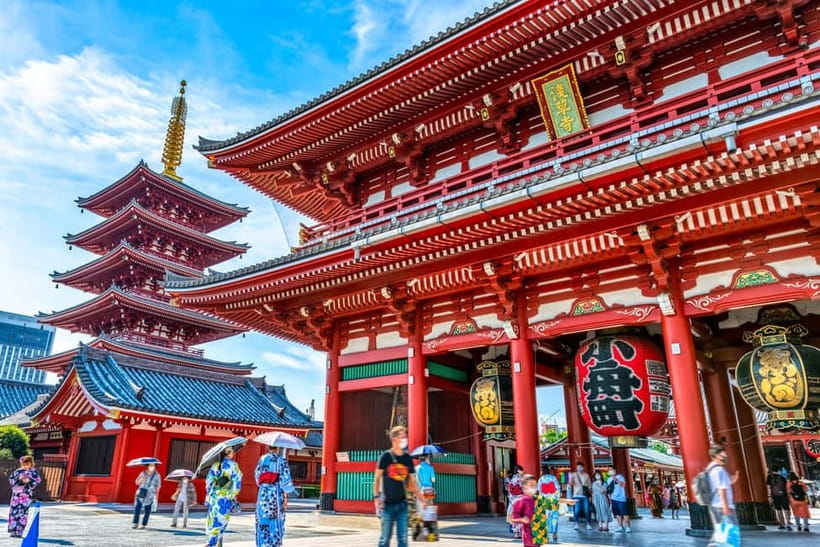
This is a compact introduction to Tokyo’s cultural and food scenes. You meet in front of IKEA Harajuku, then move through three districts that feel quite different from one another: Harajuku, Tsukiji, and Asakusa.
I like that the tour does not stay in one neighborhood. Meiji Shrine gives you a quiet start, Tsukiji brings in the food and market side of Tokyo, and Asakusa adds temples, old-fashioned sweets, and street life. You get a sense of how religion, everyday eating, and sightseeing fit together in the city.
The route lasts 270 minutes, or four and a half hours. That is long enough to make the morning feel worthwhile, but short enough to leave your afternoon open. Since the final stop is Asakusa, you can continue sightseeing there instead of spending time returning to the starting point.
The format suits a first or second day in Tokyo. You will receive background that can help you understand later visits to temples, shrines, and markets. If you already know Tokyo well, the food stops and guide commentary may still appeal, but the route is aimed most clearly at people who want an organized introduction.
More Fish Market Tours in Japan
- Tokyo Tsukiji Fish Market Food and Culture Walking Tour
★ 5.0 · 3,184 reviews - Tokyo: Tsukiji Fish Market Food and Walking tour
★ 5.0 · 1,724 reviews - Tokyo: Tsukiji Fish Market Guided Walking Tour
★ 4.9 · 1,397 reviews
Meiji Shrine: quiet paths before the crowds
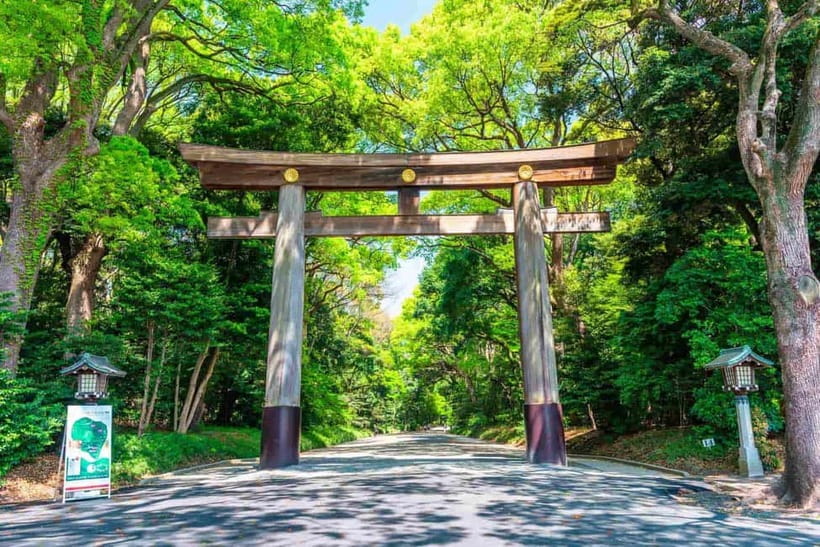
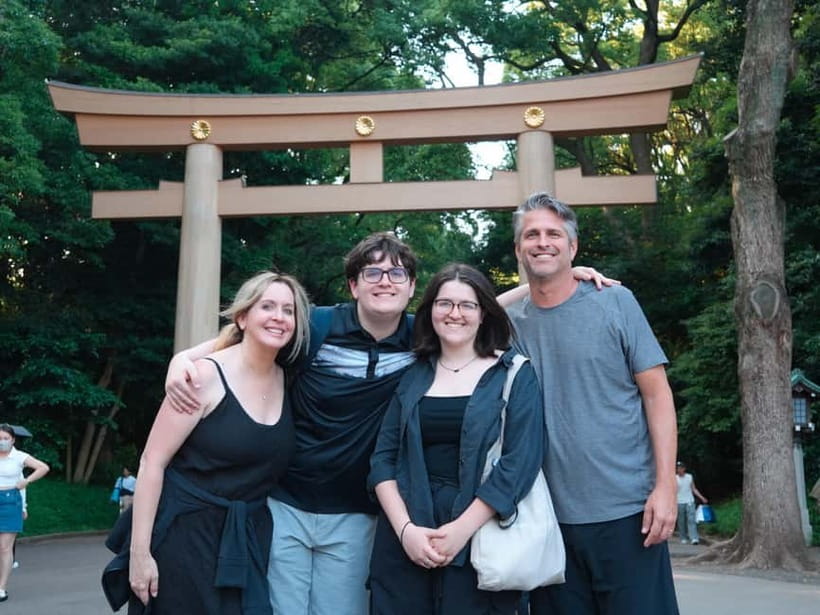
The first major stop is Meiji Shrine, where you spend about an hour. The timing is useful. Morning light and quieter paths make it easier to focus on the shrine’s customs and setting before the day becomes more hectic.
The tour includes admission to Meiji Jingu Shrine and an English-speaking guide. You are not simply left to walk through the grounds alone. Guides explain Shinto traditions, the meaning of shrine customs, and the difference between Shinto and Buddhism.
That distinction matters. Visitors often see a torii gate, a temple roof, or a place of worship and treat all Japanese religion as one thing. A guide such as Remu or Lex can help you see why a Shinto shrine and a Buddhist temple have different roles and customs.
The cultural side is one of the strongest reasons to book this tour. Yosuke is praised for explaining Japanese religion and culture in clear English, while Lax is described as thoughtful, engaging, patient, and well prepared. The exact guide depends on the day, but the experience clearly puts emphasis on conversation and questions.
You should expect walking here rather than a quick photo stop. The shrine visit is listed as one hour, so you have time to absorb the atmosphere and ask questions. Wear comfortable shoes, especially because the rest of the morning also involves walking through markets and historic streets.
Tsukiji Outer Market: the morning food stop
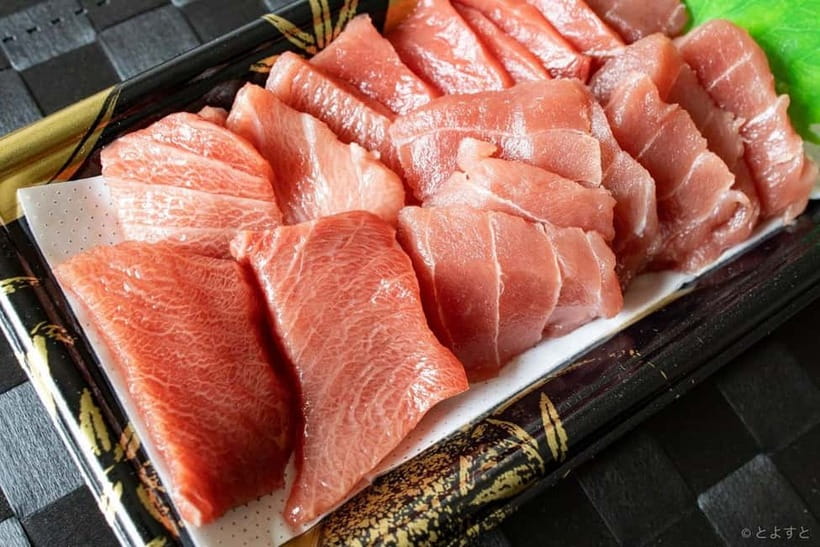
The tour then heads to Tsukiji Outer Market for about 110 minutes. This is the longest part of the route, and rightly so. Tsukiji is where the tour changes from spiritual calm to food, movement, and close-up views of Tokyo’s eating culture.
Fresh sushi and sashimi are central to the experience. You can expect the guide to take you toward market stalls and help you understand what you are seeing and tasting. For many people, this will be the most immediately memorable part of the morning because it connects Japanese food with the places where ingredients are sold and prepared.
The tour description promises tasting, but it does not specify a fixed number of portions or a separate meal allowance. I would treat the included food as part of the experience rather than assume it replaces lunch. If you want more seafood or another snack, Tsukiji is the logical place to spend extra money, though the exact stalls and costs are not given.
The 110-minute stop gives you more breathing room than a rushed market visit. You can eat, look at the stalls, and listen to the guide’s explanation of the district. Martin specifically praised Yosuke’s commentary here, including his understanding of Japanese culture, religion, and the market itself.
There is a practical point to remember: markets can be busy and sensory. You may find narrow walking areas, strong food smells, and a lot to look at at once. Stay with the group and keep your schedule in mind. The tour still has Asakusa ahead, and the morning does not stretch indefinitely.
I like this part because it adds something a shrine visit cannot. You see Japanese culture not only in formal customs but also in what people buy, prepare, and eat. If sushi and sashimi are high on your Tokyo list, this stop gives the tour real value.
Asakusa: snacks, Senso-ji, and Tokyo’s older face
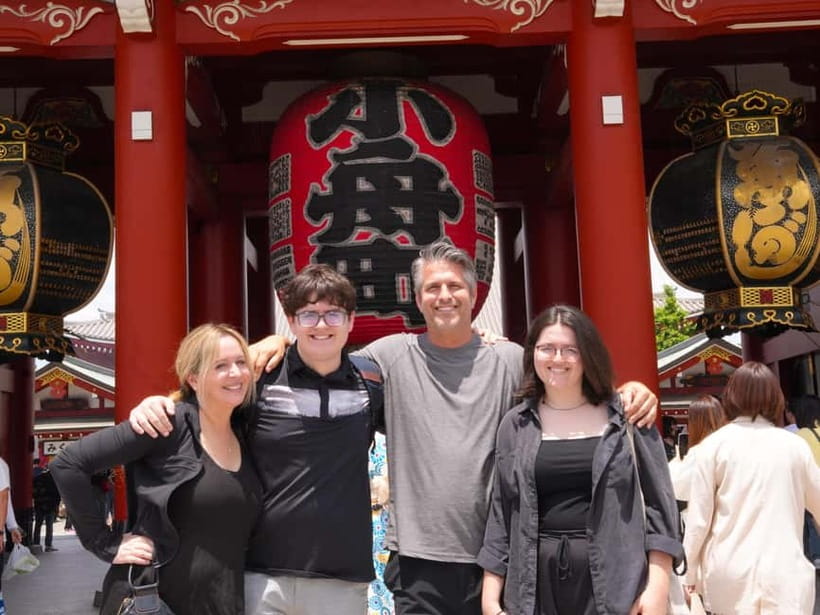
The final stop is Asakusa, where you spend about an hour walking, shopping, and sightseeing. The tour includes admission to Senso-ji Temple, and the guide adds historical context about the district and its religious traditions.
Asakusa feels different from Meiji Shrine. Meiji offers trees and quiet; Asakusa gives you temple buildings, shops, snacks, and a more openly commercial sightseeing area. The contrast helps you understand Tokyo as a city that preserves old customs while making room for daily shopping and modern tourism.
Food is part of the walk. You can sample croquettes and traditional Japanese sweets while moving through the area. These small bites are useful because they keep the visit active and local in feel. You are not stopping for a long formal meal, so the food fits the short schedule.
Senso-ji also gives the guide another chance to explain Buddhism and its relationship to Shinto. Several guides, including Remu and Yo Yo, are praised for making these religious ideas clear and approachable. Margaret also described a fire ceremony as a powerful part of her experience, and other comments refer to it as well. However, the stated itinerary does not list a fire ceremony, so you should confirm whether that element is included on your date rather than count on it.
The tour ends in Asakusa, which I consider a practical design choice. You can stay for more shopping or continue sightseeing at your own pace. The guide does not need to lead you back across Tokyo, and you do not lose the afternoon to a return transfer.
The drawback is that one hour is not enough for a full exploration of Asakusa. You will get an introduction to Senso-ji, snacks, and the main atmosphere, but not a slow, thorough visit to every street and shop. If Asakusa is a major priority, plan to remain in the area after the tour ends.
More Fish Market Tours in Tokyo
- Tokyo Sushi Making Class in Tsukiji with Professional Chef
★ 5.0 · 1,177 reviews - Tsukiji Fish Market Guided Tour and Sushi Making with Pro Chef
★ 5.0 · 775 reviews - Tokyo: Tsukiji Fish Market Food and Culture Walking Tour
★ 4.7 · 757 reviews - Tsukiji Fish Market: Street Food & Culture Walking Tour
★ 5.0 · 669 reviews
What the guides add to the morning
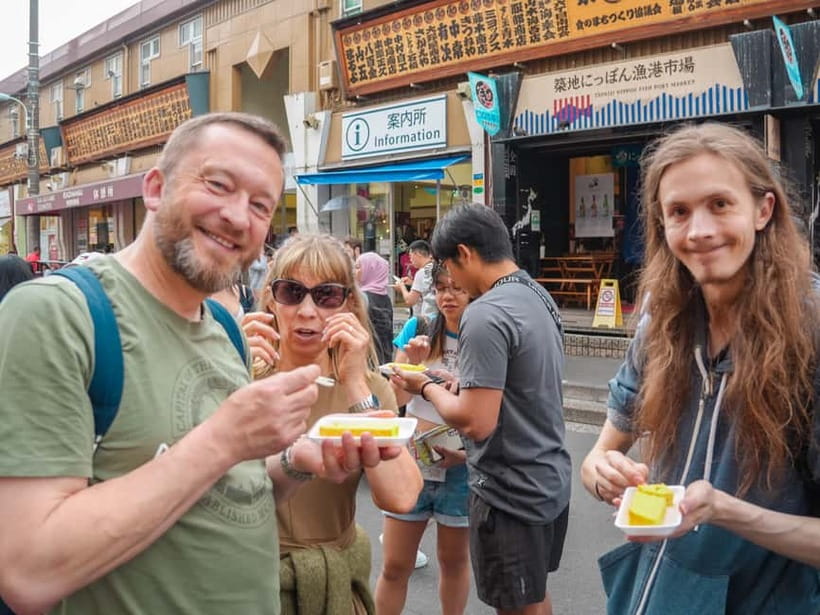
The human side of this tour matters. The guide is not only there to point out landmarks. The strongest guide descriptions focus on clear English, cultural explanation, kindness, and willingness to answer questions.
Yosuke is described as energetic, careful with families, and fluent in English. He appears particularly suited to people who want to ask about religion, history, customs, and daily life. Lax is praised for being thoughtful, engaging, professional, and patient.
Other named guides include Yo Yo, Lex, Remu, and Ken. Yo Yo is described as warm and passionate, especially with families. Lex is praised for making Meiji Shrine both peaceful and informative. Remu is noted for explaining Shinto and Buddhism, while Ken is praised for adding cultural context in a friendly way.
You cannot choose a particular guide based on the information provided, so treat these names as examples of the guiding style rather than a guarantee. The common thread is an emphasis on explanation and personal attention. That is especially useful in Japan, where a short explanation can make a shrine ritual or temple practice much easier to understand.
The tour may work especially well for families. One guide is praised for taking careful account of a parent and child, making sure they were comfortable and explaining things clearly. Solo visitors may also benefit, since one booking became a private tour when no other participants joined. Group size is not stated, so you should not assume every departure will be private.
Price, transport, and the real value
The price is $83 per person. Public transportation costs about 550 yen extra, and that fare is not included. The tour does include the English-speaking guide, photos taken during the tour, historical insight into the districts, and admission to Meiji Jingu Shrine, Tsukiji Fish Market, and Senso-ji Temple.
I see the value in the combination rather than in any one stop. You are paying for a guide who connects three separate parts of Tokyo, helps with the cultural meaning of each place, and takes you to food stops you might otherwise approach without much context.
The price makes more sense if you are new to Tokyo, want to avoid planning transport between districts, or care about Japanese religion and food. It is less compelling if you already know Meiji Shrine, Tsukiji, and Asakusa well, or if you prefer to choose every food stall and set your own pace.
The included photographs are a small but useful extra. You do not need to spend the morning worrying about getting group pictures, though the details of how many photos you receive are not specified.
The reserve-now, pay-later option gives you flexibility when arranging a larger Japan itinerary. You can cancel up to 24 hours before the tour for a full refund. Starting times vary, so check availability when booking. The meeting point is in front of IKEA Harajuku, and the tour ends in Asakusa.
Who should book this Tokyo morning tour?
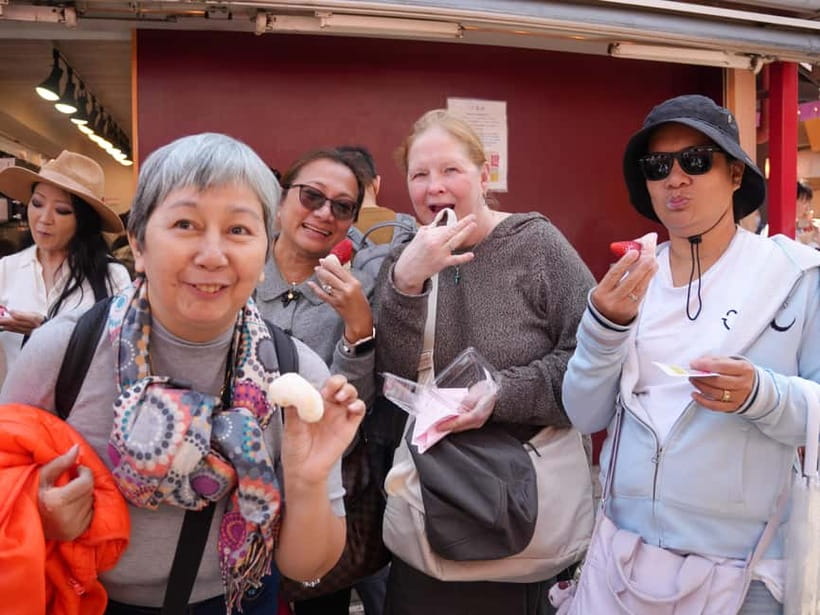
I would recommend it to first-time visitors who want a well-shaped introduction to Tokyo. It is also a good fit if you want to learn about Shinto and Buddhism, taste sushi and sashimi, and finish near Senso-ji without spending hours planning the route.
Families may appreciate the guide’s attention and the mix of food, walking, and landmarks. Solo visitors can benefit from the social structure and the chance of a more personal experience if the group is small. Food-focused visitors should like the Tsukiji stop, though they should not assume the included tasting is a full meal.
I would be more cautious if you have mobility concerns, because the tour involves walking through a shrine, market, and temple district, and accessibility information is not provided. I would also skip it if you want a slow, detailed day in only one neighborhood.
Should you book it?
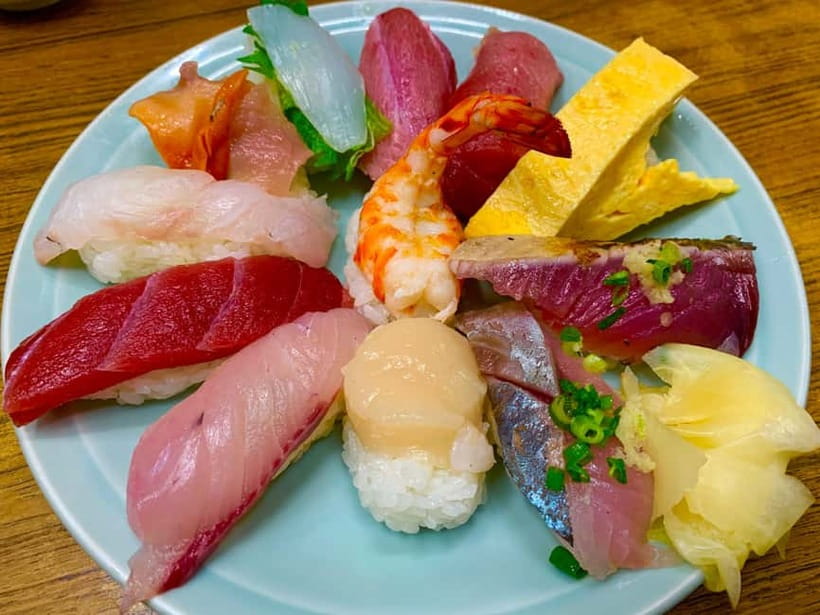
Book this tour if you want Tokyo explained as well as seen. The best parts are the contrast between the calm of Meiji Shrine, the food at Tsukiji, and the temple streets of Asakusa, plus the chance to ask a guide about Japanese customs in plain English.
Skip it if you want complete control over your food choices or a long, unhurried visit to Asakusa. For most first-time visitors, though, $83 plus about 550 yen in transport is a fair price for a guided morning that covers culture, food, and three very different parts of the city.
FAQ
Where does the tour begin?
The meeting point is in front of IKEA HARAJUKU.
Where does the tour finish?
The tour finishes in Asakusa.
How long does the tour last?
The tour lasts 270 minutes, or four and a half hours.
What language is the tour conducted in?
The tour is conducted in English by a live English-speaking guide.
Which places are visited?
The route includes Meiji Shrine, Tsukiji Outer Market, and Asakusa, including Senso-ji Temple.
Is food included?
The experience includes fresh sushi and sashimi at Tsukiji, plus croquettes and traditional Japanese sweets in Asakusa. The exact amount of food is not specified.
Is public transportation included?
No. Public transportation costs around 550 yen and is not included in the tour price.
Are admission fees included?
Admission to Meiji Jingu Shrine, Tsukiji Fish Market, and Senso-ji Temple is included.
Can I cancel the booking?
Yes. You can cancel up to 24 hours in advance for a full refund. You can also reserve now and pay later.
More Shopping Tours in Tokyo
- Tsukiji Fish Market: Street Food & Culture Walking Tour
★ 4.8 · 259 reviews - Private Toyosu & Tsukiji Market Adventure with Tuna Auction
★ 4.8 · 191 reviews - Tokyo: Toyosu Tuna Auction &Tsukiji Market Gourmet Adventure
★ 4.8 · 187 reviews - Tokyo: Tsukiji Fish Market Tour with 6 Stops & Seafood Lunch
★ 4.5 · 165 reviews
More Markets in Tokyo
- Tsukiji Fish Market Small-Group Food Walking Tour
★ 5.0 · 621 reviews - Tokyo: Tsukiji Fish Market Sushi Making Class with Pro Chef
★ 4.9 · 506 reviews - Tokyo Food Tour Taste Fresh Delights at Tsukiji Market
★ 5.0 · 429 reviews - Tokyo Tsukiji Fish Market Tour and Sushi Making Lesson
★ 5.0 · 390 reviews
Just added around Tokyo
- Tokyo: Private Tsukiji Street Food & Sake with Local Guide★ 5.0 · 3 reviews
- Tokyo: Tsukiji Market Guided Tour & Sushi-Making Experience★ 4.4 · 11 reviews
- Tokyo: Tsukiji Market and Hama-rikyu Gardens Guided Tour★ 4.8 · 73 reviews
- Tokyo : Tsukiji Fish Market Food Walking & Shrine Visit Tour★ 5.0 · 3 reviews
- Tokyo: Tsukiji Fish Market Culture Tour with Sashimi Tasting★ 4.6 · 54 reviews
- Tokyo: Tsukiji Fish Market Foodie and Educational Tour★ 5.0 · 4 reviews
- Tokyo: Guided Walking Tour of Tsukiji Market with Lunch★ 4.4 · 24 reviews
- Tokyo’s Kitchen: Tsukiji Market Food & Culture Walk★ 4.7 · 74 reviews
Fish Market Tours, compared.
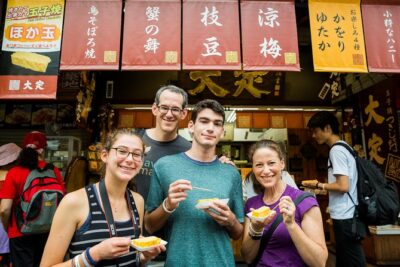
Tokyo Tsukiji Fish Market Food and Culture Walking Tour
Read our review →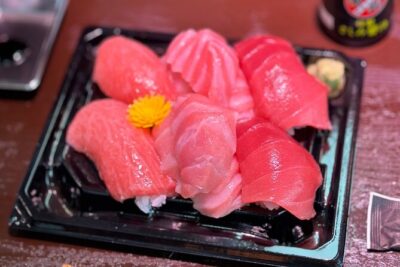
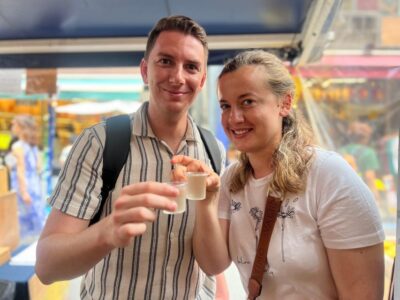

Tokyo Sushi Making Class in Tsukiji with Professional Chef
Read our review →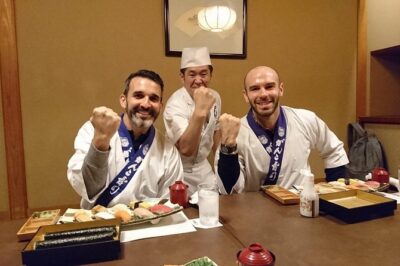
Tsukiji Fish Market Guided Tour and Sushi Making with Pro Chef
Read our review →Tsukiji Fish Market Food and Culture Walking Tour
Read our review →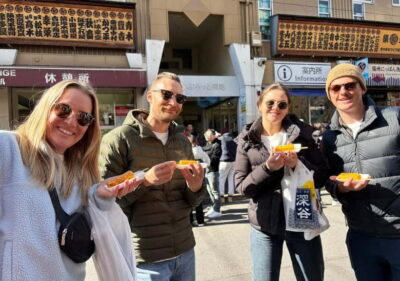
Tsukiji Fish Market: Street Food & Culture Walking Tour
Read our review →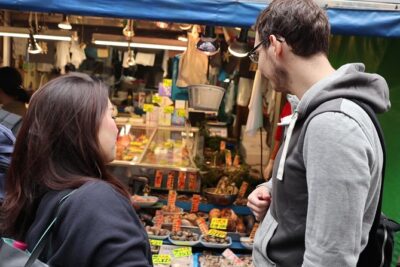
Tsukiji Fish Market Small-Group Food Walking Tour
Read our review →Browse the lists this tour appears in