Review · TOKYO
Tokyo Tsukiji Fish Market Food Tour: 15 Stops & Walk Local Street
Tsukiji is best understood with your appetite switched on and your eyes open. This two- to three-hour walk links the grand Tsukiji Hongwanji Temple with the market’s narrow shopping streets, fish sellers, sushi counters, and Namiyoke Inari Shrine. You get local context instead of wandering the market without knowing what you’re seeing.
I like the small group limit of 15, which should make it easier to hear the guide and ask about unfamiliar foods. I also like the mix of food culture and local customs, plus the promised photos sent after the tour. Guides such as Sakura San explain sushi etiquette in practical terms, including how to approach Japanese food respectfully.
The main caution is food. The tour details say food tastings are included, but the inclusions also say food is not included, and one participant booked it expecting tastings but had to buy food separately. Confirm this point with Fuji Tour before paying, since it changes the value of an $80 experience.
Key points at a glance
- Tsukiji Hongwanji Temple begins the walk: Meet at the temple entrance and spend about 15 minutes seeing one of Tsukiji’s most distinctive landmarks.
- Tsukiji Jogai Market takes up most of the tour: About 90 minutes are devoted to the shopping street and its more than 400 shops.
- The fish-market section is brief but useful: Expect roughly 30 minutes around a smaller wholesale area with many kinds of fresh fish.
- Namiyoke Inari Shrine adds local meaning: The shrine is connected with protection from disasters and rough seas.
- Food policy needs checking: Some information presents tastings as included, while another section says food is not included.
- The pace suits a short Tokyo visit: The tour lasts about two to three hours, returns to the starting point, and allows free cancellation up to 24 hours ahead.
Why Tsukiji works well for a guided food walk
Tsukiji is not simply one market building. The former inner wholesale market moved to Toyosu, while Tsukiji’s outer market area continues with food shops, cooking stores, seafood sellers, restaurants, and small shrines. That can make the area confusing on a first visit.
A guide gives the walk a clear shape. Instead of stopping at the first attractive counter, you move from temple to market street, then to the fish stalls and shrine. You also get explanations about etiquette, food customs, and the role of seafood in Japanese daily life.
That structure matters most if your time in Tokyo is tight. You are not booking a full-day food crawl. You are booking a compact introduction that uses the market as a classroom.
I would also value the language help. Unfamiliar seafood, Japanese dining habits, and market customs are easier to handle when someone can explain them as you go. Sakura San, one of the named guides associated with the experience, has been specifically praised for explaining sushi eating and Japanese etiquette.
More Fish Market Tours in Japan
- Tokyo Tsukiji Fish Market Food and Culture Walking Tour
★ 5.0 · 3,184 reviews - Tokyo: Tsukiji Fish Market Food and Walking tour
★ 5.0 · 1,724 reviews - Tokyo: Tsukiji Fish Market Guided Walking Tour
★ 4.9 · 1,397 reviews
Starting at Tsukiji Hongwanji Temple
The meeting point is in front of Tsukiji Hongan-ji Temple at 3-chome, 15-1 Tsukiji, in Chuo City. Allow enough time to find the entrance. The tour ends back at this same meeting point, so you do not need to arrange a separate pickup or figure out where to leave the group afterward.
The temple visit lasts about 15 minutes and admission is free. That sounds brief, but it gives the tour a useful opening. You begin with a place of worship and local identity before moving into the food district.
Do not expect a long temple tour. The supplied schedule gives only a short visit, so this is an orientation stop rather than a detailed architectural lesson. Still, it helps you see Tsukiji as more than a place to eat.
You should dress and behave respectfully at the temple. The tour includes explanations of Japanese customs, but normal courtesy remains your responsibility. Public transportation is nearby, and transportation to the meeting point is not included.
Ninety minutes through Tsukiji Jogai Market
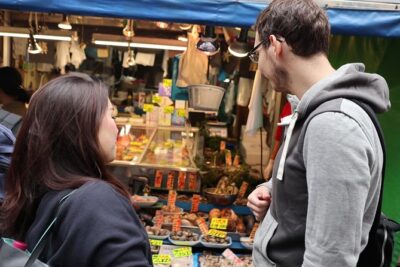
The heart of the experience is Tsukiji Jogai Market, where you spend around an hour and a half. The shopping street has more than 400 shops, giving the guide plenty to point out and giving you time to see how the market works.
This is where the tour earns its keep if you want more than a quick sushi meal. You may pass shops focused on seafood, prepared foods, kitchen goods, and other market products. The exact stores and tastings can vary, so you should treat the route as a guided market introduction rather than a fixed restaurant menu.
The schedule says you enjoy a meal on the way to the shopping street. At the same time, the food information is not consistent. The overview promises included tastings, with examples such as sushi or Japanese oysters, while the inclusions section says food is not included. Direct feedback also describes a participant who received a market walk but no included food.
That is the single most important booking question. Ask Fuji Tour exactly what the $80 covers on your date. If several tastings are included, the price may be reasonable for a guided small-group walk with food, explanations, and photos. If you must purchase every item yourself, the price becomes much harder to justify.
Bring a payment method for personal purchases either way. The tour excludes personal expenses, and the market is designed to tempt you with foods and products beyond the planned route. You may want to buy something, but you should not assume that every snack or meal is part of the ticket.
Seeing the smaller wholesale fish area
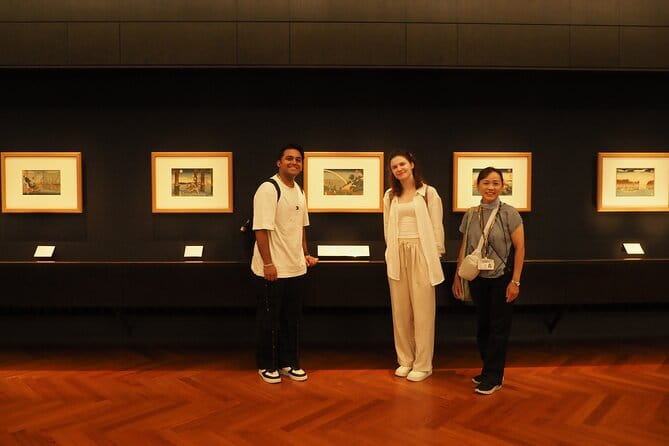
The fish-market portion lasts about 30 minutes. The tour passes a mini wholesale market where you can see many kinds of fresh fish. This section is shorter than the Jogai Market visit, but it gives the walk a more direct connection to Tsukiji’s seafood trade.
The wording suggests a viewing stop rather than a formal fish auction or behind-the-scenes visit. That distinction matters. If you want a detailed wholesale-market tour, this experience may feel limited. If you simply want a closer look at the fish trade while a guide explains what you are seeing, half an hour can be enough.
The timing also keeps the tour manageable. A seafood market can be interesting but tiring, especially early in a Tokyo day. Here, the fish area is one part of a larger route rather than the whole experience.
Keep your expectations focused on observation and explanation. The available details do not promise access to restricted areas, a cooking lesson, or a meeting with fishmongers. You get a guided pass through the area and a chance to see the range of seafood on offer.
More Fish Market Tours in Tokyo
- Tokyo Sushi Making Class in Tsukiji with Professional Chef
★ 5.0 · 1,177 reviews - Tsukiji Fish Market Guided Tour and Sushi Making with Pro Chef
★ 5.0 · 775 reviews - Tokyo: Tsukiji Fish Market Food and Culture Walking Tour
★ 4.7 · 757 reviews - Tsukiji Fish Market: Street Food & Culture Walking Tour
★ 5.0 · 669 reviews
Ending at Namiyoke Inari Shrine
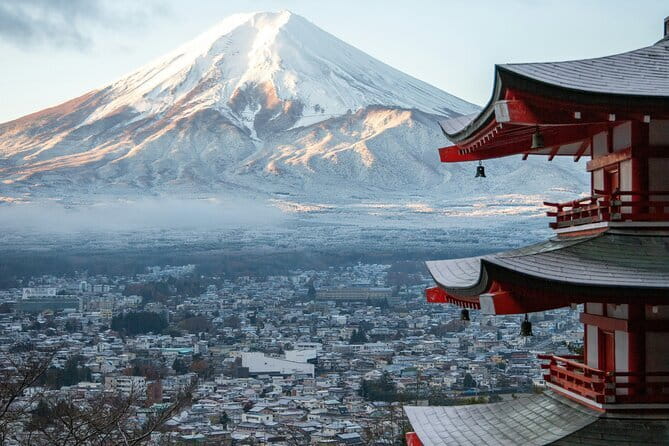
The final listed stop is Namiyoke Inari Shrine, with about 15 minutes devoted to the visit. The shrine honors Namiyoke Inari, a deity associated with warding off disasters and weathering the waves.
That connection makes sense in a district shaped by the sea and seafood trade. It also gives the tour a quieter ending after the market’s food stalls and narrow streets. You get a little cultural context rather than finishing at the last snack counter.
Admission is free. As with the temple, the stop is short, so think of it as a meaningful introduction rather than a full religious tour. The guide can explain why the shrine matters to the neighborhood, while you get a chance to pause and take in the setting.
Because the tour returns to the meeting point, you can continue exploring Tsukiji afterward if you wish. The activity itself does not include hotel pickup or drop-off, so you make your own onward arrangements.
What the $80 price really buys
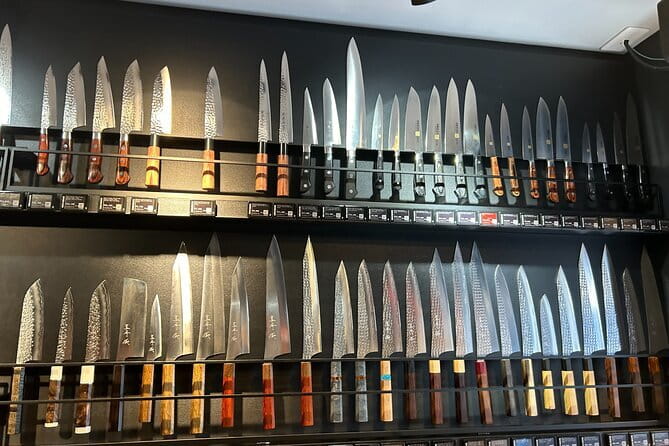
At $80 per person, this is not the cheapest way to walk around Tsukiji. You can visit the public market area independently for little more than your own food and transport costs. You are paying for the guide, the planned route, explanations, small-group format, and photos.
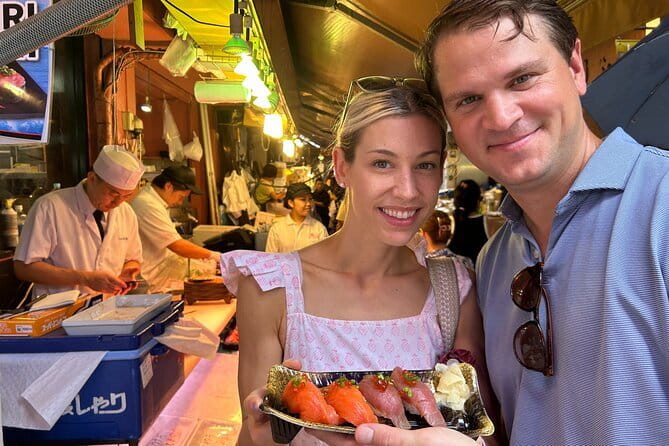
The value depends almost entirely on the food question. If tastings are genuinely included, the price can make sense for someone who wants a guided introduction and does not want to choose every stop alone. Sushi, oysters, or other market foods can add up quickly, and the guide helps you understand what you are eating.
If food is not included, the calculation changes. You would be paying $80 for a two- to three-hour walking tour, with your own market purchases added on top. That may still suit someone who values personal guidance, but it is less attractive for an independent eater who can explore the same public streets without help.
The 15-person cap is another part of the value. It is not a private tour, but it is small enough to be more personal than a large coach outing. On one occasion, cancellations left Sakura San guiding a single participant, though you should not book expecting a private tour.
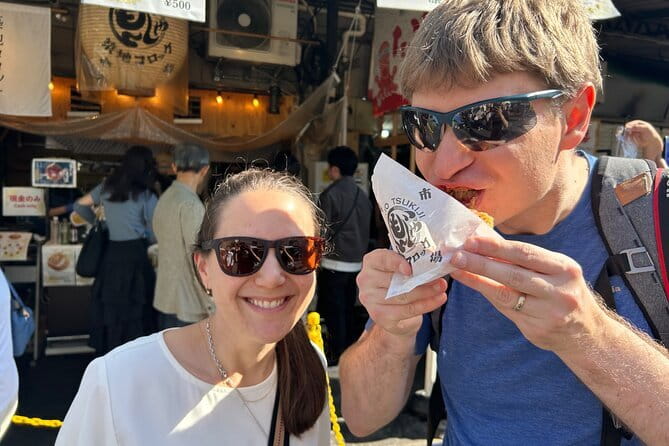
Photos are included and sent after the experience. That is a pleasant extra, but I would treat it as a bonus rather than a reason to pay the full price. The main purchase should be the route and the guide’s explanations.
What guides add to the food experience
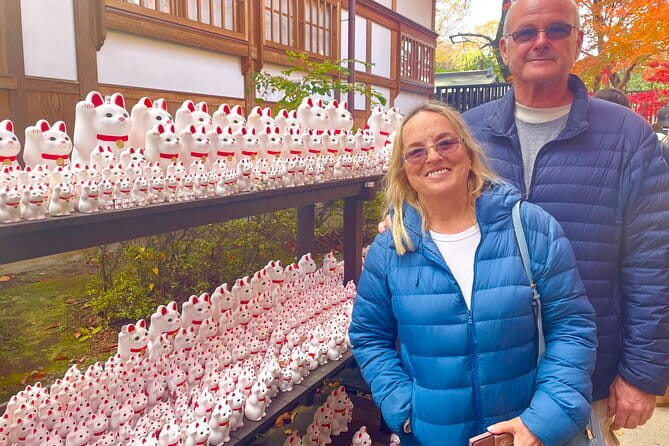
The strongest guide element is practical instruction. Sakura San has been praised for explaining how to eat sushi and for covering Japanese dining etiquette. That kind of help is useful when you are unsure about dipping sauce, handling food, or knowing what behavior is appropriate at a Japanese counter.
The guide also covers food culture and history. The available details do not promise a specialist lecture, so expect clear explanations suited to a general visitor. You should come away better prepared to order and eat, not with a formal academic study of Tokyo’s seafood industry.
A Japanese guide can also help with small decisions. You may want to know which item is worth trying, how to approach a shop, or what a particular type of seafood is. The precise food choices depend on the day and on what is open, but the guide’s role is to make those decisions less intimidating.
Weather and holiday closures can affect the experience. One tour had some market closures because of a holiday, but the guide adjusted the plan and still provided a good meal and conversation. That is worth noting: the market is a working district, not a theme park with every stall open every day.
Timing, group size, and communication
Plan on two to three hours. The listed stops total about two and a half hours, although the actual pace may shift with crowds, shop openings, weather, and the amount of explanation.
The meeting point is easy to identify in principle, but Tokyo addresses can still take time to navigate. Use public transportation to reach Tsukiji Hongan-ji Temple and arrive early enough to stand near the entrance without rushing.
The maximum group size is 15. Most people can participate, and the activity is near public transportation. No special fitness requirement is stated, but you should be comfortable walking through market streets for an extended period.
Download WhatsApp before the tour. The provider uses it for communication on the day, so this is not a minor suggestion if you need updates or help finding the group.
The tour does not include hotel pickup, hotel drop-off, or transportation to the meeting point. You arrange those yourself. Food and personal purchases also need careful checking before departure.
Who should book this Tsukiji experience
I would recommend it to a first-time Tokyo visitor who wants a guided introduction to Tsukiji without giving up an entire day. It suits you especially well if Japanese seafood, sushi etiquette, and local customs feel unfamiliar.
It also works for people who like structure. The route has four clear sections, the guide leads the way, and you return to the starting point. That is easier than trying to map out a long market visit on your own.
Families and mixed-interest groups may also find the format useful, provided everyone is comfortable with walking and market conditions. The temple and shrine give non-food highlights, while the market provides the main activity.
I would hesitate if you are a confident independent eater, want a private guide, or mainly want a long list of included tastings. I would also hesitate if the provider cannot clearly confirm the food arrangements. At $80, that uncertainty is too important to ignore.
Should you book it?
Book this tour if you want a short, guided introduction to Tsukiji and value explanations of Japanese food customs as much as the food itself. The route covers the temple, the large outer market area, a wholesale fish section, and a shrine, giving you a fuller picture than a simple restaurant stop.
Before booking, get a clear answer about whether sushi, oysters, or other tastings are included. The published details conflict, and one participant’s experience indicates that food was not provided. If tastings are confirmed, the price may be fair for the guide, route, small group, and photos. If they are not, consider exploring Tsukiji independently and spending your budget directly on the food you choose.
Free cancellation is available up to 24 hours before the start time. That gives you some flexibility, but it does not solve the food-policy question. Ask first, then decide.
FAQ
How long does the Tsukiji food tour last?
The experience lasts approximately two to three hours. The listed route includes about 15 minutes at Tsukiji Hongwanji Temple, 90 minutes at Tsukiji Jogai Market, 30 minutes at a fish-market area, and 15 minutes at Namiyoke Inari Shrine.
Where does the tour meet?
The meeting point is in front of Tsukiji Hongan-ji Temple at 3-chome, 15-1 Tsukiji, Chuo City, Tokyo 104-8435, Japan.
Where does the tour end?
The activity ends back at the meeting point, Tsukiji Hongan-ji Temple.
Is food included in the tour price?
The provided tour details are inconsistent. One section says food tastings are included, while another says food is not included. A participant also reported receiving no included food, so confirm the current policy with Fuji Tour before booking.
How large is the group?
The group is capped at 15 people. The tour is described as a small-group experience.
Are photos included?
Yes. Photos are taken during the tour and sent to you after the experience.
Do I need WhatsApp?
Yes. The provider says WhatsApp is used for communication on the day, so you should download it before the tour.
More Street Food Market Tours in Tokyo
- Tokyo: Tsukiji Fish Market Foodie and Educational Tour
★ 5.0 · 4 reviews - Tokyo: Private Tsukiji Street Food & Sake with Local Guide
★ 5.0 · 3 reviews
More Street Food Market Tours in Japan
- Tokyo Food Tour Taste Fresh Delights at Tsukiji Market
★ 5.0 · 429 reviews - Tsukiji Fish Market: Street Food & Culture Walking Tour
★ 4.8 · 259 reviews - Toyosu Market Morning Tuna Auction and Tsukiji Food Tour with Licensed Guide
★ 4.5 · 146 reviews - Tsukiji Fish Market Private Food Tour in Tokyo
★ 5.0 · 18 reviews
Just added around Tokyo
- Tokyo: Private Tsukiji Street Food & Sake with Local Guide★ 5.0 · 3 reviews
- Tokyo: Tsukiji Market Guided Tour & Sushi-Making Experience★ 4.4 · 11 reviews
- Tokyo: Tsukiji Market and Hama-rikyu Gardens Guided Tour★ 4.8 · 73 reviews
- Tokyo : Tsukiji Fish Market Food Walking & Shrine Visit Tour★ 5.0 · 3 reviews
- Tokyo: Tsukiji Fish Market Culture Tour with Sashimi Tasting★ 4.6 · 54 reviews
- Tokyo: Tsukiji Fish Market Foodie and Educational Tour★ 5.0 · 4 reviews
- Tokyo: Guided Walking Tour of Tsukiji Market with Lunch★ 4.4 · 24 reviews
- Tokyo’s Kitchen: Tsukiji Market Food & Culture Walk★ 4.7 · 74 reviews
Fish Market Tours, compared.
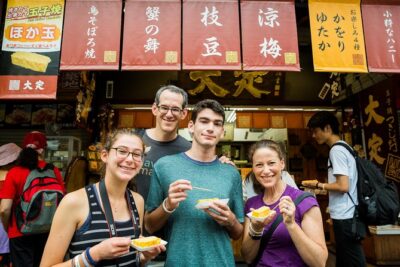
Tokyo Tsukiji Fish Market Food and Culture Walking Tour
Read our review →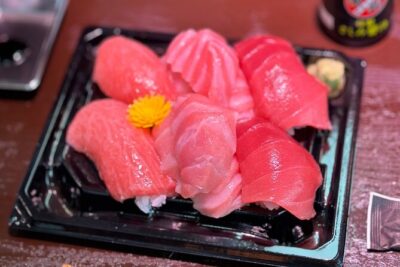
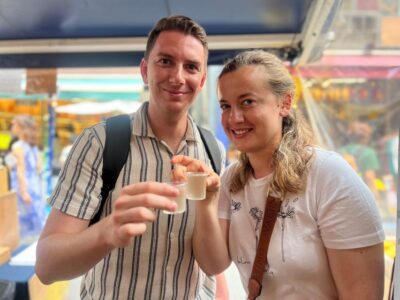

Tokyo Sushi Making Class in Tsukiji with Professional Chef
Read our review →
Tsukiji Fish Market Guided Tour and Sushi Making with Pro Chef
Read our review →Tsukiji Fish Market Food and Culture Walking Tour
Read our review →
Tsukiji Fish Market: Street Food & Culture Walking Tour
Read our review →