
Review · JAPAN
Tuna Auction Market Guided Private Tour in Nachi-Katsuura
Nachi-Katsuura’s tuna auction is not a polished show for tourists. It is a working fish market, with rows of tuna, buyers judging quality, and a port economy that makes more sense once a good guide explains it. This private tour puts the auction process into plain English and adds the local stories you would likely miss on your own.
I like two things here. First, Stella or Chizuko brings the market to life with clear explanations of tuna grading, long-line fishing, and the town’s unusual fishing community. Second, the exhibition room gives you maps, illustrations, and video, so the auction is not just a quick look at fish on the floor. The optional tuna breakfast is another smart touch.
The main drawback is timing and length. The visit can last from about 40 minutes to 1 hour 15 minutes, and breakfast costs extra. If you expect a long port walk or a full morning tour, this is a compact introduction instead. You also need to reach the market at the arranged time, though pickup on foot can be offered.
Key points at a glance
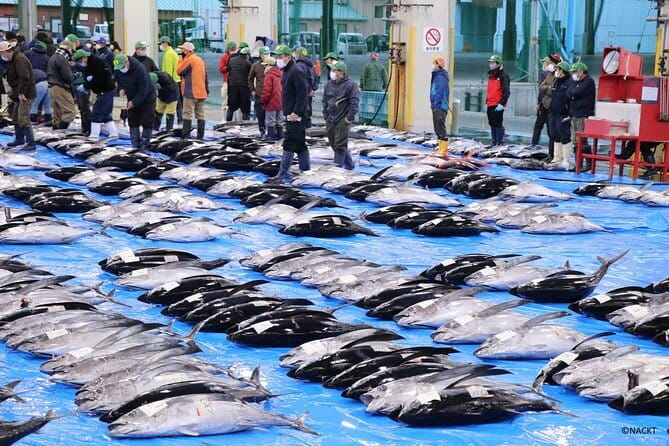
- Watch a working fresh tuna auction: See rows of tuna and learn how buyers assess quality.
- Meet the local story behind the fish: Find out why no tuna fishermen actually live in Nachi-Katsuura and what other jobs support the port.
- Learn about long-line fishing: Understand why this method is presented as a lower-impact way to catch tuna.
- Use the exhibition room to fill in the gaps: Maps, illustrations, and videos explain what happens beyond the auction floor.
- Choose a local tuna breakfast: Your guide can take you to a favorite restaurant, but food is not included.
- Enjoy a private English-guided visit: Only your group participates, with Stella or Chizuko guiding the morning.
Why the tuna auction is worth seeing
At first glance, a fish auction can seem like a quick photo stop. Tuna lie in rows, buyers inspect them, and the business moves on. The value of this tour is the explanation around those simple scenes.
Your guide shows you what to watch for. You learn that judging tuna is not just about size. Quality assessment involves the condition of the fish and the details that matter to buyers who will later sell it as premium seafood. The tour is designed to explain the flow of the auction rather than leave you guessing at a distance.
That makes the experience useful for anyone interested in Japanese food. A tuna breakfast or sashimi meal feels different after you understand the work behind it. You begin to see the fish as the final product of a chain involving fishermen, buyers, market staff, transport, restaurants, and local businesses.
The auction is also a working place, not a theatrical performance. You may not get a perfectly timed show or a long presentation on the market floor. That is part of the point. The guide helps you observe without pretending the port exists for sightseeing.
More Private Market Tours in Japan
- Private Toyosu & Tsukiji Market Adventure with Tuna Auction
★ 4.8 · 191 reviews - Tokyo Early Morning Tour Asakusa Meiji Shrine (Private Opt)
★ 5.0 · 69 reviews - Private Market Tour and Cooking Class with Kanae, a Sapporo Local
★ 5.0 · 29 reviews
Meeting at JF Katsuura Seafood Market
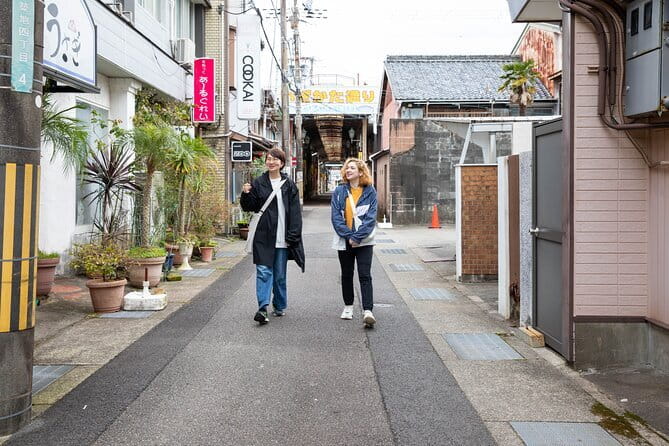
The tour begins and ends at JF Katsuura Seafood Market, at 7-chōme-12-12 Tsukiji in Nachikatsuura. It is near public transportation, and pickup from your accommodation can be arranged when walking is practical. Taxi costs are not included if you do not travel on foot.
That meeting detail matters in a small port town. You should allow enough time to reach the market without rushing. The exact start time is important because auctions operate around the market’s working schedule, not around a relaxed sightseeing timetable.
The tour is private, so you are not added to a large group. This gives you room to ask questions about tuna, fishing, or the town. It also suits families and small groups who want a more personal pace. One family of six received patient explanations and had plenty of opportunity to ask questions, which is a good sign for groups traveling together.
Stella is the guide most often identified with the experience, while Chizuko is also named as a guide. Both offer English guidance, and the strongest praise centers on clear English, warmth, preparation, and a strong grasp of the local fishing business.
Forty minutes among the tuna
The first section lasts about 40 minutes and takes place at the seafood market. This is the most visual part of the visit. You can see rows of tuna and watch the auction area while your guide explains the roles of the people working there.
The useful question is not simply how a bid is made. It is who is involved before and after the bid. Your guide explains the different jobs connected to the market, giving you a better sense of how the port functions as a business community.
You can take photos and videos of the impressive rows of tuna, but you should still treat the area as a workplace. The supplied information does not promise a particular auction time or a guaranteed set of activities, so it is wise to think of this as an escorted market visit rather than a fixed stage program.
This section works best if you stay curious. Ask how buyers judge quality. Ask how fresh tuna differs from frozen tuna. Ask where the catch goes next. The private format gives you a better chance to shape the conversation around your interests.
The exhibition room explains what your eyes miss
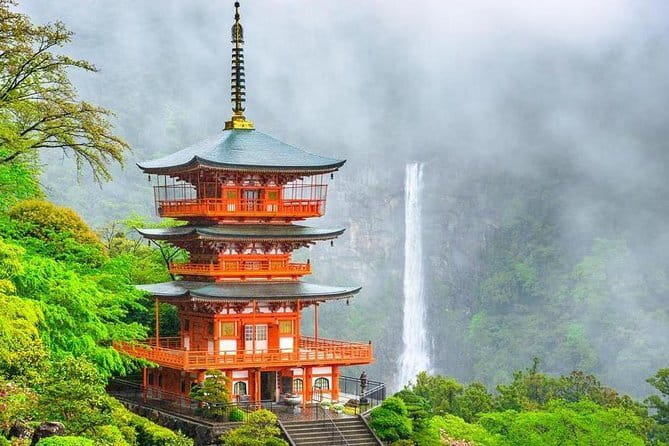
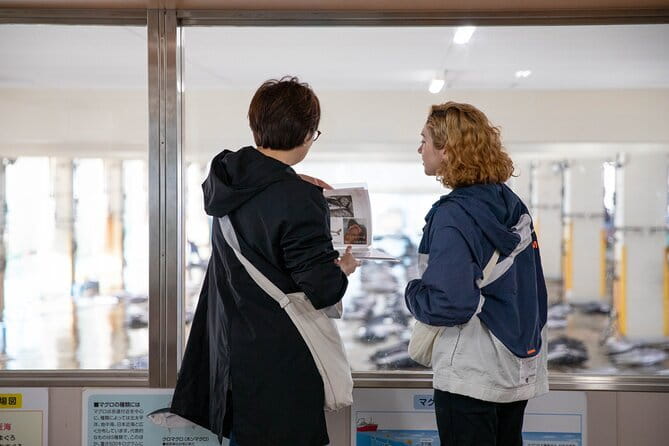
After the market, the tour moves to a specialized exhibition room for about 20 minutes. Maps, illustrations, and videos help explain the tuna trade and the setting around Nachi-Katsuura.
I like this part because a market floor only shows the final visible step. The exhibition room helps connect the port to the wider fishing system. You get a clearer explanation of the route from fishing boat to auction and from auction to the food on your plate.
This is also where the unusual social story of the town comes in. The tour asks why no tuna fishermen actually live in Nachi-Katsuura and what other kinds of work are found there besides buying tuna. That detail gives the visit more depth than a standard food-market stop.
For children, the visual material may be easier to follow than a long spoken explanation. For adults, it provides context that makes the auction easier to understand. If the market visit feels brief, this room is where the guide adds the background.
Same stalls, a different way to shop and eat:
- Tokyo Tsukiji Fish Market Food and Culture Walking Tour
★ 5.0 · 3,184 reviews - Tokyo: Tsukiji Fish Market Food and Walking tour
★ 5.0 · 1,724 reviews - Tokyo: Tsukiji Fish Market Guided Walking Tour
★ 4.9 · 1,397 reviews - Nishiki Market Brunch Walking Tour (7 Tastings + Brunch)
★ 5.0 · 1,355 reviews
Long-line fishing and the meaning of fresh tuna
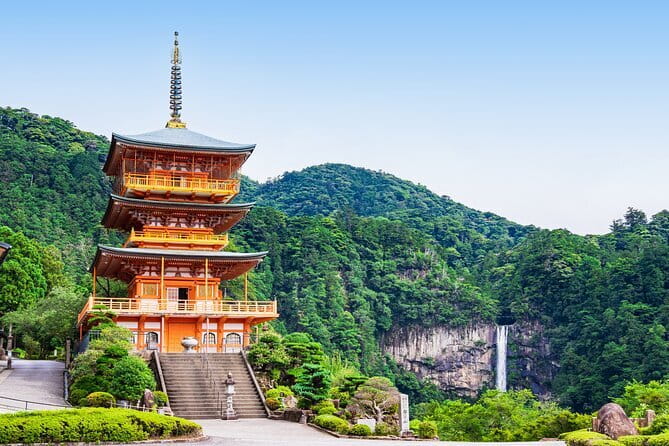
A central theme is long-line fishing, described here as a lower-impact method that helps protect the future of the ocean. The tour explains how this traditional fishing method relates to the quality of tuna from Nachi-Katsuura.
You also learn why the local tuna is described as fresh, never frozen. That distinction matters when you later eat tuna in the area. The tour does not simply tell you that fresh is better. It connects the product to the fishing method and the way the catch reaches the market.
The sustainability discussion is valuable, but you should treat it as an introduction rather than a full course on global fisheries. The tour focuses on Nachi-Katsuura and its tuna industry. It gives you a useful local example of how fishing methods, quality, and environmental concerns meet.
I especially like that this topic is linked to something you can taste. Many food tours stop at the dish. This one asks you to think about how the dish arrived on the table and what choices shaped its quality.
Finish with tuna at Katsuura Nigiwai Market
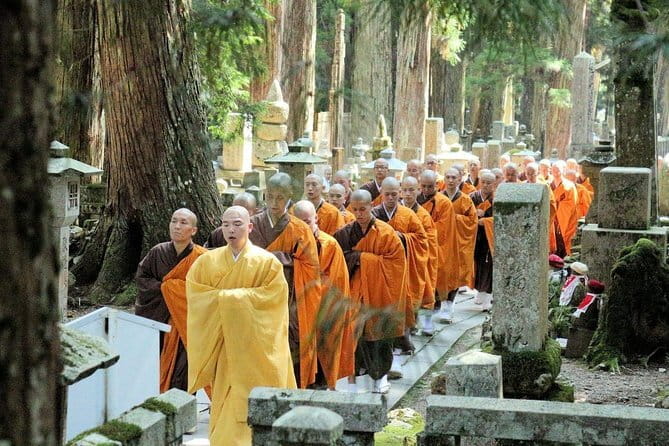
The final stop is Katsuura Nigiwai Market, where your guide can recommend a local restaurant for breakfast. This part lasts about 15 minutes and is optional. Breakfast is not included in the tour price, so you pay for your own meal.
This is a natural way to finish. You have just watched the auction and heard about freshness, so trying tuna soon afterward gives the lesson a practical ending. One guest used the guide’s recommendation for a tuna breakfast and also received help with further questions.
You are not buying a meal as part of the package, and the supplied details do not promise a fixed restaurant, menu, or price. Think of this as local orientation. Stella or Chizuko can point you toward a suitable place, which is helpful when you want more than a random breakfast near the station.
The guide has also offered suggestions for coffee and other things to do around town. That extra local advice can be especially useful if you are staying in Kii-Katsuura or passing through after walking the Kumano Kodō.
What the private format adds
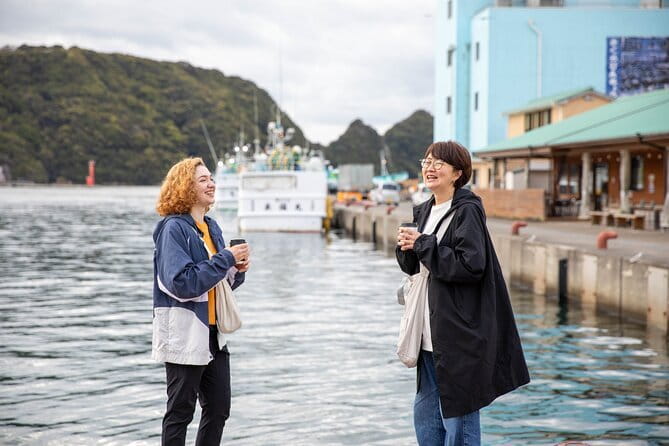
The private setup is one of the clearest reasons to choose this tour instead of simply visiting the market alone. You are not listening to a standard speech meant for a crowd. You can ask about the auction, commercial fishing, tuna quality, local work, or sustainability as questions arise.
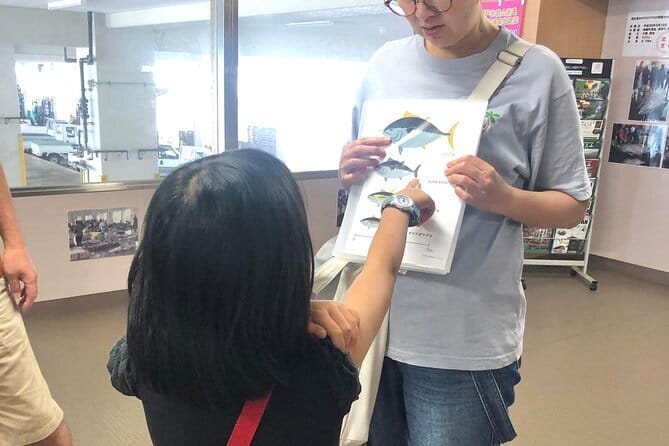
The guides also bring teaching aids, which makes the explanation easier to follow. Stella is praised for excellent English and a warm manner, while Chizuko is described as engaging and helpful during the market, exhibition room, and port visit.
This is a good match for curious families, food-focused visitors, and people walking the Kumano Kodō who want a local activity in Katsuura. It also suits solo visitors who prefer not to decode a Japanese market without context.
The private format does not guarantee a longer visit. The tour remains short, and its value depends on your interest in asking questions. If you prefer to explore markets silently and independently, you may find the guided portion more than you need.
Price, timing, and practical value
At $42.93 per person, the price is reasonable for a private guide, especially for a small group. You are paying for access to explanations that are difficult to get from the market alone, not for food or transportation.
For two people, the cost buys a focused morning activity with market viewing, the exhibition room, and optional local breakfast guidance. For a family or group, the private arrangement can make the per-person price feel more worthwhile because everyone can ask questions and stay together.
The tour is often booked well ahead, with an average lead time of about 78 days. That suggests you should reserve early if your dates are fixed, particularly if you want a specific morning during a Kumano Kodō trip.
Confirmation is sent within 48 hours, subject to availability. Free cancellation is offered up to 24 hours before the start time. A cancellation or change made inside that window is not refunded or accepted, and the cut-off follows local time.
Most people can participate, and service animals are allowed. The tour is near public transportation, but the listed inclusion is walking transfers to and from your accommodation. Taxi expenses are extra if you need them.
Who should book this tour
I would choose this tour if you want your seafood meal to come with context. It is especially useful if you are already staying in Nachi-Katsuura and want a short, focused activity rather than a full-day outing.
Book it if you like working markets, local business stories, sustainable fishing, and direct access to an English-speaking guide. The optional breakfast makes the morning feel complete, though you should budget separately for the food.
Families can benefit from the private pace and visual teaching aids. Food lovers will appreciate learning about freshness and quality before eating tuna. Kumano Kodō walkers can fit it into a stay in Kii-Katsuura, provided the timing works with their route.
You may want to skip it if you need a late start, dislike early market activity, or want a tour with extensive sightseeing beyond the port. It is a compact specialty visit, not a broad introduction to all of Wakayama.
Should you book the Nachi-Katsuura tuna auction tour?
Book it if you want to understand what you are seeing, not just photograph a row of tuna. Stella and Chizuko add the missing links: how quality is judged, how long-line fishing works, why the town’s fishing community is unusual, and where to try the product afterward.
The price is fair for a private English-guided visit, and the small scale keeps the experience personal. Just remember that breakfast and non-walking transport cost extra, and the auction is a working market with a short schedule.
For a food-minded visit to Kii-Katsuura, this is a smart choice. It turns a brief market stop into a clearer picture of the people, methods, and decisions behind one of Japan’s best-known seafood products.
FAQ
Where does the tuna auction tour begin?
The tour begins at JF Katsuura Seafood Market, 7-chōme-12-12 Tsukiji, Nachikatsuura, Higashimuro District, Wakayama 649-5335, Japan.
Where does the tour end?
The tour ends at the same JF Katsuura Seafood Market meeting point.
How long does the experience last?
The full experience lasts approximately 40 minutes to 1 hour 15 minutes.
Is the tour private?
Yes. Only your group participates in the activity.
Is pickup available?
Pickup from your accommodation can be offered on foot. Taxi expenses are not included if you do not travel on foot.
Is breakfast included?
No. Breakfast is not included in the tour price, but your guide can introduce you to a local restaurant for a fresh tuna breakfast.
What will I see at the market?
You will see the tuna auction area, rows of tuna, and the people involved in the market process. Your guide will explain quality assessment and the auction flow.
What is covered in the exhibition room?
The exhibition room uses maps, illustrations, and videos to explain tuna culture, the local fishing community, and the wider process behind the market.
Can most people participate?
Yes. Most people can participate, and service animals are allowed.
Can I cancel for a full refund?
Yes, if you cancel at least 24 hours before the experience start time. Cancellations or changes made less than 24 hours in advance are not refunded or accepted.
More Shopping Tours in Japan
- Kuromon Market Food Walking Tour in Osaka (6 stops, 6 tastes)
★ 5.0 · 550 reviews - Tokyo: Tsukiji Fish Market Sushi Making Class with Pro Chef
★ 4.9 · 506 reviews - Tokyo Food Tour Taste Fresh Delights at Tsukiji Market
★ 5.0 · 429 reviews - Kyoto Nishiki Market Food and Culture Walking Tour
★ 5.0 · 412 reviews
More Markets in Japan
- Tsukiji Fish Market Guided Tour and Sushi Making with Pro Chef
★ 5.0 · 775 reviews - Tokyo: Tsukiji Fish Market Food and Culture Walking Tour
★ 4.7 · 757 reviews - Tsukiji Fish Market: Street Food & Culture Walking Tour
★ 5.0 · 669 reviews - Tsukiji Fish Market Small-Group Food Walking Tour
★ 5.0 · 621 reviews
Just added around Japan
- Nagoya Super Market Tour & Home Cooking Class with a Local, Akiko★ 5.0 · 10 reviews
- Tokyo: Private Tsukiji Street Food & Sake with Local Guide★ 5.0 · 3 reviews
- Tokyo: Tsukiji Market Guided Tour & Sushi-Making Experience★ 4.4 · 11 reviews
- Tokyo: Tsukiji Market and Hama-rikyu Gardens Guided Tour★ 4.8 · 73 reviews
- Tokyo : Tsukiji Fish Market Food Walking & Shrine Visit Tour★ 5.0 · 3 reviews
- Tokyo: Tsukiji Fish Market Culture Tour with Sashimi Tasting★ 4.6 · 54 reviews
- 【Family pack】Tokyo: Tsukiji fish market food tour★ 5.0 · 3 reviews
- Tokyo: Tsukiji Fish Market Foodie and Educational Tour★ 5.0 · 4 reviews
Private Market Tours, compared.

Private Excursion to Maeklong Railway and Floating Markets
Read our review →
Floating and Railway Market (Optional Waterfall): Private Tour
Read our review →
Private Pyramids, Museum & Bazaar Tour with Lunch
Read our review →
Shopping in the Souks of Marrakech Private Tour
Read our review →
Local Markets & Khan el Khalili Private Shopping Tour
Read our review →
Private Excursion to Floating Market and Ayutthaya World Heritage
Read our review →
Private Heritage Walking Tour in Jaisalmer Fort and Old Bazaar
Read our review →Browse the lists this tour appears in